Overview
Introduction to training your Whippet
Training your Whippet is essential for their overall well-being and happiness. Whippets are intelligent and energetic dogs that require mental and physical stimulation. In this article, we will explore effective techniques for obedience and discipline to help you establish a strong bond with your Whippet. Before getting a Whippet, there are a few key things you should know. By understanding their unique traits and needs, you can provide the best care and training for your furry friend.
Benefits of obedience and discipline training
Obedience and discipline training for your Whippet offers numerous benefits that can greatly enhance your relationship with your furry friend. Firstly, it helps establish clear boundaries and expectations, ensuring that your Whippet understands what is acceptable behavior. This leads to a well-behaved and obedient pet, making daily interactions and outings more enjoyable. Additionally, obedience training promotes mental stimulation and provides a sense of purpose for your Whippet, preventing boredom and destructive behaviors. It also fosters a strong bond between you and your dog, as you work together towards common goals. Lastly, a well-trained Whippet is safer in various situations, such as off-leash walks or encounters with other animals. By investing time and effort in obedience and discipline training, you are setting your Whippet up for a happy and fulfilling life.
Key principles for effective training
When it comes to training your Whippet, there are several key principles that can help ensure effective results. First and foremost, consistency is crucial. Establish a routine and stick to it, providing clear and consistent cues and rewards. Additionally, positive reinforcement is essential for motivating your Whippet and encouraging desired behaviors. Rewarding good behavior with treats, praise, or playtime can go a long way in reinforcing positive habits. Another important principle is patience. Training takes time and effort, so it's important to remain patient and understanding with your Whippet. Finally, remember to keep training sessions short and engaging. Whippets have a short attention span, so keeping sessions brief and fun will help keep them focused and eager to learn.
Understanding the Whippet Breed
History and characteristics of Whippets
Whippets are a breed of dog that originated in England during the 19th century. They were initially bred for racing and hunting small game. Whippets are known for their slender and athletic build, which allows them to reach incredible speeds. They are often referred to as the “poor man's racehorse” due to their agility and speed. With a short coat and a gentle and affectionate nature, Whippets make excellent family pets. They are intelligent and eager to please, making them relatively easy to train. Their calm and gentle demeanor also makes them great with children. Overall, Whippets are a versatile breed that excel in both racing and as loyal companions.
Temperament and behavior traits
The temperament and behavior traits of the Whippet are crucial factors to consider when training this breed. Whippets are known for their gentle and affectionate nature, making them excellent family pets. They are intelligent and eager to please, which makes training them relatively easy. However, it is important to note that Whippets can be sensitive and may require a gentle approach to training. They are generally well-behaved and have a low tendency to exhibit aggressive behavior. With proper socialization and consistent training, Whippets can become obedient and well-disciplined companions.
Common challenges in training Whippets
Training a Whippet can come with its fair share of challenges. One common challenge is their independent nature, which can make them stubborn and resistant to training. Whippets are known for their strong prey drive, which can make it difficult to keep their attention during training sessions. Additionally, their sensitive nature means that harsh training methods can be counterproductive and may cause them to shut down. Another challenge is their high energy levels, which require consistent exercise and mental stimulation to prevent boredom and destructive behavior. It is important for owners to be patient, consistent, and use positive reinforcement techniques to overcome these challenges and successfully train their Whippets.
Basic Obedience Training
Teaching essential commands (sit, stay, come)
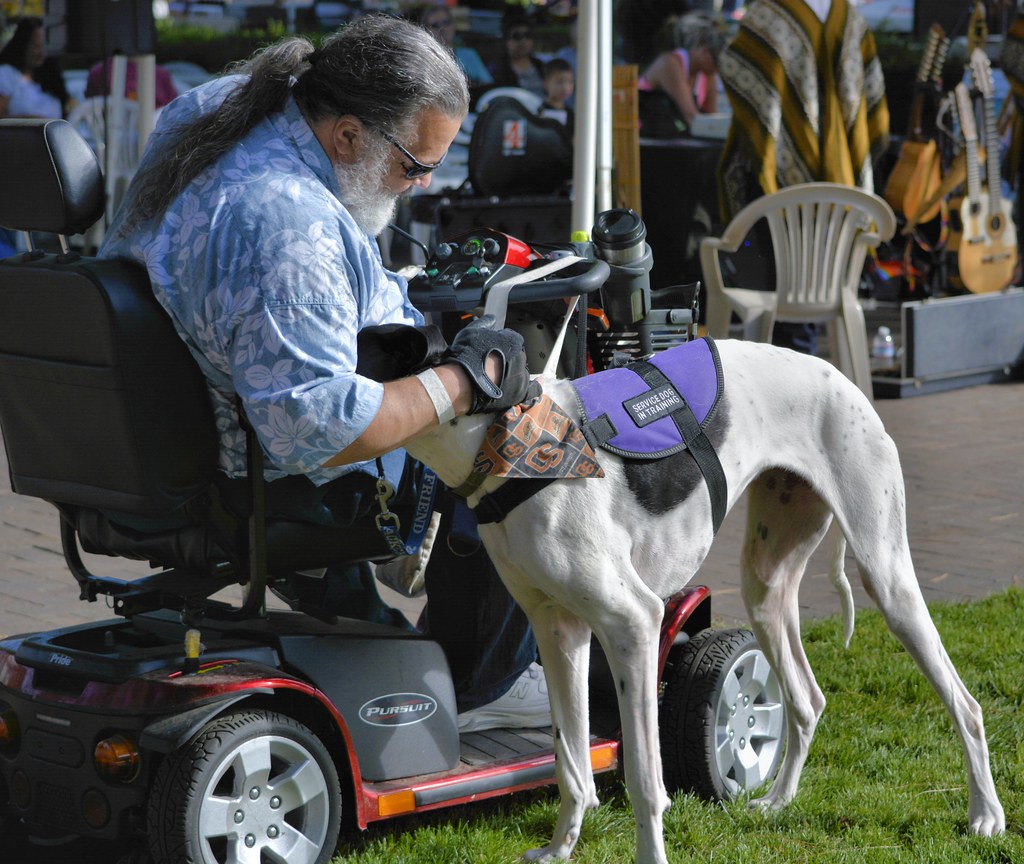
Teaching essential commands is a crucial part of training your Whippet. By teaching commands such as sit, stay, and come, you can establish a foundation of obedience and discipline. These commands are essential for ensuring the safety of your Whippet and maintaining control in various situations. When training your Whippet, it is important to be patient and consistent. Use positive reinforcement techniques, such as treats and praise, to encourage your Whippet to follow the commands. Additionally, make sure to practice these commands in different environments to reinforce their understanding. With consistent training and practice, your Whippet will become proficient in these essential commands.
Positive reinforcement techniques
Positive reinforcement techniques are a crucial aspect of training your Whippet. By using positive reinforcement, you can effectively teach your dog obedience and discipline. This training method involves rewarding your Whippet with treats, praise, or playtime when they exhibit the desired behavior. For example, if your Whippet sits when commanded, you can give them a treat as a reward. This positive association helps them understand that sitting is a desirable behavior. Additionally, positive reinforcement creates a strong bond between you and your Whippet, as they learn to trust and rely on you for rewards and positive experiences. It is important to be consistent and patient when using positive reinforcement techniques, as it may take time for your Whippet to fully understand and respond to the training. With dedication and consistency, positive reinforcement can be a highly effective technique for shaping your Whippet's behavior and fostering a loving and obedient relationship.
Establishing a consistent training routine
Establishing a consistent training routine is essential for effectively training your Whippet. This routine provides structure and consistency, allowing your dog to understand what is expected of them. One important aspect of this routine is the interaction with children. It is crucial to teach your Whippet how to behave around children and to ensure a safe and positive experience for both parties. By incorporating regular interactions with children into your training routine, you can help your Whippet develop appropriate social skills and reduce the risk of any potential issues arising. It is important to supervise these interactions and provide guidance to both the dog and the child, ensuring that boundaries are respected and positive interactions are encouraged. By establishing a consistent training routine that includes interaction with children, you can help your Whippet become a well-behaved and socially adept companion.
Discipline Training
Setting boundaries and rules
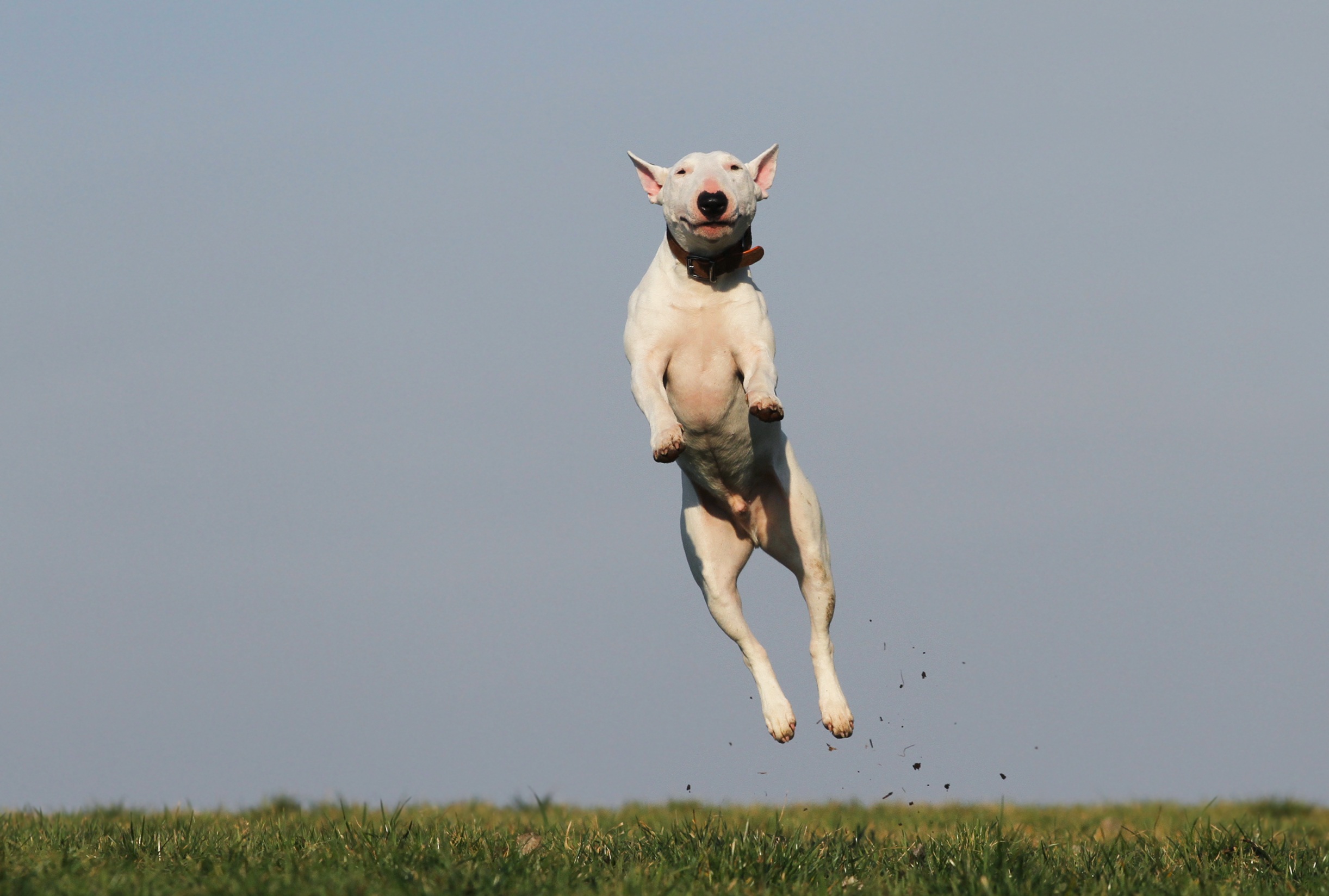
Setting boundaries and rules is crucial when training your Whippet. It provides structure and guidance for your dog, helping them understand what is expected of them. By setting clear boundaries, you establish a sense of order and control, which is essential for a well-behaved and obedient pet. It is important to remember that every dog is unique, so the boundaries and rules you set should be tailored to your Whippet's individual needs and temperament. Taking the time to understand what works best for your dog will ensure a successful training experience.
Correcting unwanted behaviors
Correcting unwanted behaviors is an essential aspect of training your Whippet. It is important to address any undesirable behaviors early on to prevent them from becoming ingrained habits. One effective technique is positive reinforcement, which involves rewarding your Whippet for good behavior and ignoring or redirecting unwanted behavior. Another technique is using a firm and confident tone when giving commands to assert your authority. Consistency is key in correcting unwanted behaviors, as Whippets thrive on routine and structure. It is also important to be patient and understanding, as training takes time and effort. By consistently applying these techniques, you can help your Whippet develop good habits and become a well-behaved and obedient companion.
Using timeouts and redirection
Timeouts and redirection are effective techniques for training your Whippet. When your Whippet exhibits unwanted behavior, such as jumping on people or chewing on furniture, a timeout can be used to teach them that their actions are not acceptable. During a timeout, place your Whippet in a designated area, such as a crate or a quiet room, for a short period of time. This gives them a chance to calm down and reflect on their behavior. Redirection, on the other hand, involves redirecting your Whippet's attention to a more appropriate activity. For example, if your Whippet starts chewing on furniture, give them a chew toy instead. This helps them learn what is acceptable to chew on and prevents them from engaging in destructive behavior. By using timeouts and redirection, you can effectively train your Whippet and promote obedience and discipline.
Advanced Training Techniques

Teaching advanced commands (heel, leave it, drop it)
Teaching advanced commands is an essential part of training your Whippet. These commands, such as heel, leave it, and drop it, are crucial for ensuring obedience and discipline. To teach these commands effectively, it is important to start with basic obedience training and gradually progress to more advanced commands. Consistency and positive reinforcement are key in this process. When teaching the command ‘heel,' it is important to use a leash and guide your Whippet to walk beside you. The command ‘leave it' teaches your Whippet to ignore objects or distractions. Start by showing your Whippet a treat and saying ‘leave it.' If they try to grab it, cover the treat with your hand and repeat the command. The command ‘drop it' is useful for preventing your Whippet from picking up or chewing on inappropriate objects. Start by offering your Whippet a toy or object and saying ‘drop it' while gently removing it from their mouth. Repeat this process until they understand the command. By consistently practicing these advanced commands, you can ensure that your Whippet is well-behaved and obedient.
Training for off-leash obedience
Training for off-leash obedience is a crucial aspect of developing a strong bond with your Whippet. One of the key factors in achieving this is learning how to develop trust with your dog. Trust is the foundation of any successful training relationship, and it is especially important when it comes to off-leash obedience. By consistently providing positive reinforcement, setting clear boundaries, and establishing a routine, you can build a solid foundation of trust with your Whippet. This will not only enhance their obedience skills but also strengthen the bond between you and your furry friend. When your Whippet trusts you, they are more likely to listen to your commands and follow them even when they are off-leash. So, take the time to develop trust with your dog and watch as their off-leash obedience improves.
Introducing agility and tricks
Introducing agility and tricks is a fun and exciting way to further enhance your Whippet's training. By introducing agility exercises, you can help your Whippet develop their physical coordination, strength, and flexibility. This can be achieved through various activities such as jumps, tunnels, and weave poles. Additionally, teaching your Whippet tricks not only adds to their repertoire of skills but also stimulates their mental abilities. Tricks like spin, roll over, and play dead can provide mental stimulation and challenge their problem-solving skills. Incorporating agility and tricks into your Whippet's training routine can help keep them engaged, physically active, and mentally sharp.
Troubleshooting and Problem Solving
Dealing with stubbornness and resistance
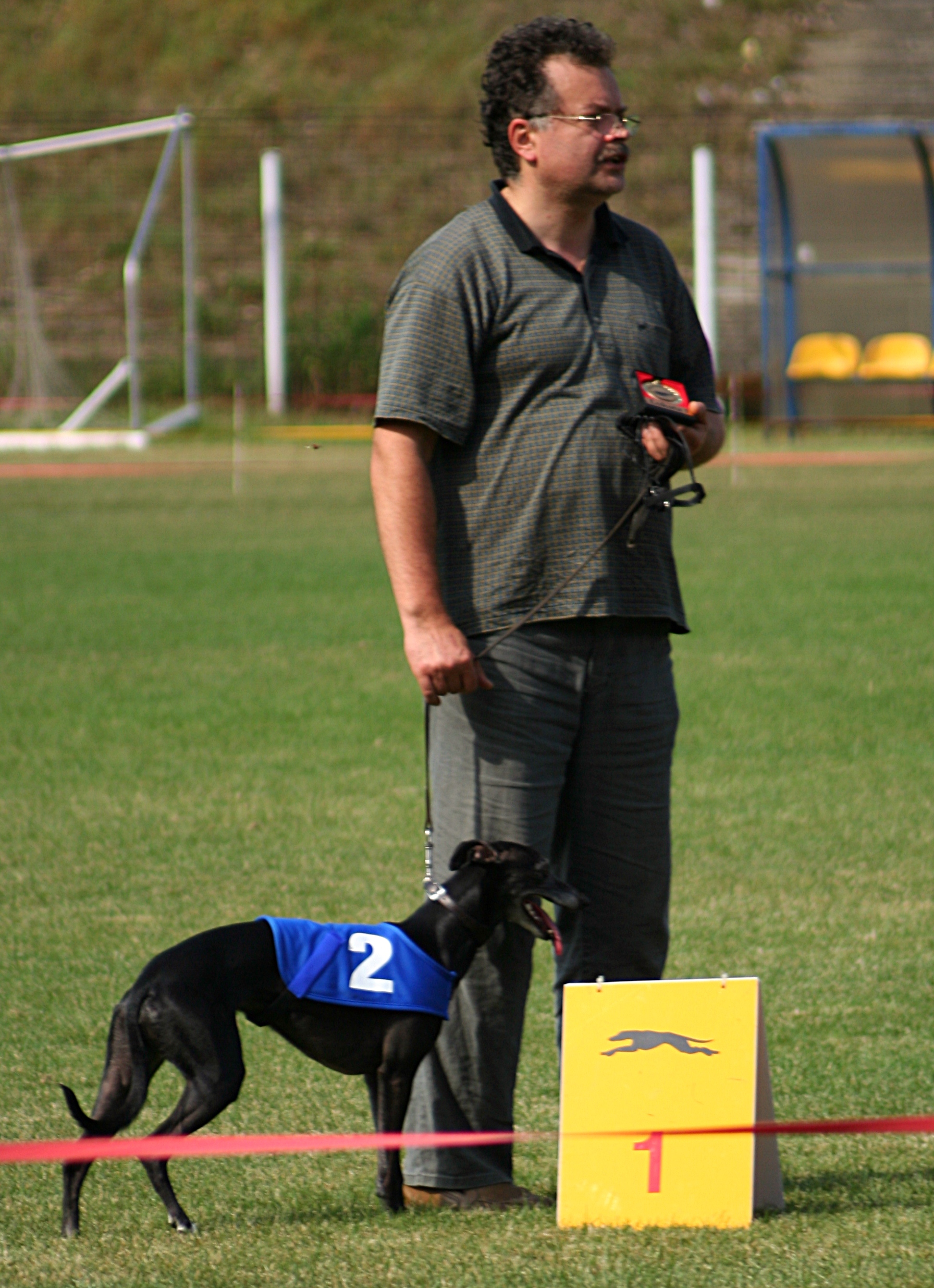
Dealing with stubbornness and resistance can be a challenging aspect of training your Whippet. However, with effective techniques and consistent effort, you can overcome these obstacles and achieve obedience and discipline. One important strategy is to understand the root causes of stubbornness and resistance in Whippets. Some Whippets may exhibit stubborn behavior due to their independent nature or lack of motivation. In such cases, it is crucial to use positive reinforcement and reward-based training methods to encourage desired behaviors. Additionally, consistency and patience are key when dealing with stubbornness. It is important to set clear boundaries and expectations for your Whippet and reinforce them consistently. Another effective technique is to provide mental and physical stimulation to prevent boredom and reduce resistance. Engaging in interactive games, agility training, and regular exercise can help channel your Whippet's energy in a positive way. By addressing stubbornness and resistance with a combination of understanding, consistency, and stimulation, you can successfully train your Whippet to be obedient and disciplined.
Addressing separation anxiety
Separation anxiety is a common issue among Whippets, but it can be effectively addressed with the right techniques. One of the key strategies is to provide fun activities for your Whippet to keep them engaged and distracted when you are not around. These activities can include interactive toys, puzzle games, and even playdates with other dogs. By incorporating fun into their daily routine, you can help alleviate their anxiety and provide them with a positive outlet for their energy. Additionally, it is important to gradually increase the time spent apart from your Whippet to help them become more comfortable with being alone. This can be done by starting with short periods of separation and gradually extending the duration over time. With patience and consistency, you can help your Whippet overcome separation anxiety and develop a sense of independence.
Solving common behavior problems
When it comes to training your Whippet, it is important to address and solve common behavior problems that may arise. One of the key aspects of effective training is understanding and caring for your Whippet's needs. By providing proper care, you can create a strong foundation for obedience and discipline. It is essential to focus on addressing any behavior issues such as excessive barking, separation anxiety, or leash pulling. Through consistent training techniques and positive reinforcement, you can help your Whippet overcome these challenges and become a well-behaved companion. By investing time and effort into solving common behavior problems, you can ensure a harmonious relationship with your Whippet.