
Overview
Introduction to Great Danes
Great Danes are a popular breed of dog known for their large size and gentle nature. They are often referred to as “gentle giants”. Great Danes are a great choice for individuals or families looking for a loyal and loving companion. They require regular exercise and outdoor adventures to keep them happy and healthy. With their size and strength, they are well-suited for activities such as hiking, running, and playing fetch. Great Danes also have a calm and friendly temperament, making them good with children and other pets. If you're considering owning a Great Dane, be prepared for their size and energy needs, but also be prepared for the joy and companionship they will bring to your life.
History of Great Danes
The history of Great Danes can be traced back to ancient times. These majestic dogs were originally bred in Germany to hunt wild boars. They were known for their strength, agility, and imposing size. Great Danes were highly valued by the nobility and were often used as guard dogs. Over the centuries, they have become beloved family pets and show dogs. Today, Great Danes are known for their gentle and friendly nature, making them excellent companions for families of all sizes.
Characteristics of Great Danes
Great Danes are known for their impressive size and gentle temperament. They are one of the largest dog breeds, with males typically weighing between 140 to 175 pounds and standing at least 30 inches tall at the shoulder. Despite their size, Great Danes are generally friendly and good-natured, making them excellent family pets. They are often described as patient, affectionate, and dependable. Great Danes have a calm and laid-back personality, but they can also be protective when needed. When it comes to owning a Great Dane, it is important to understand their unique characteristics and provide them with proper training and socialization. Great Danes are intelligent and eager to please, which makes them relatively easy to train. However, they can also be stubborn at times, so consistency and positive reinforcement are key. It is recommended to start training and socializing a Great Dane from a young age to ensure they grow up to be well-behaved and well-adjusted dogs. If you are considering owning a Great Dane, it is also important to be prepared for their size and exercise needs. Great Danes require regular exercise to keep them healthy and prevent obesity. They enjoy daily walks, but it is also beneficial to provide them with a large, secure yard to run and play in. Overall, Great Danes are a wonderful breed with many positive qualities, but they do require proper care, training, and socialization to thrive.
Choosing the Right Great Dane
Size and Space Requirements
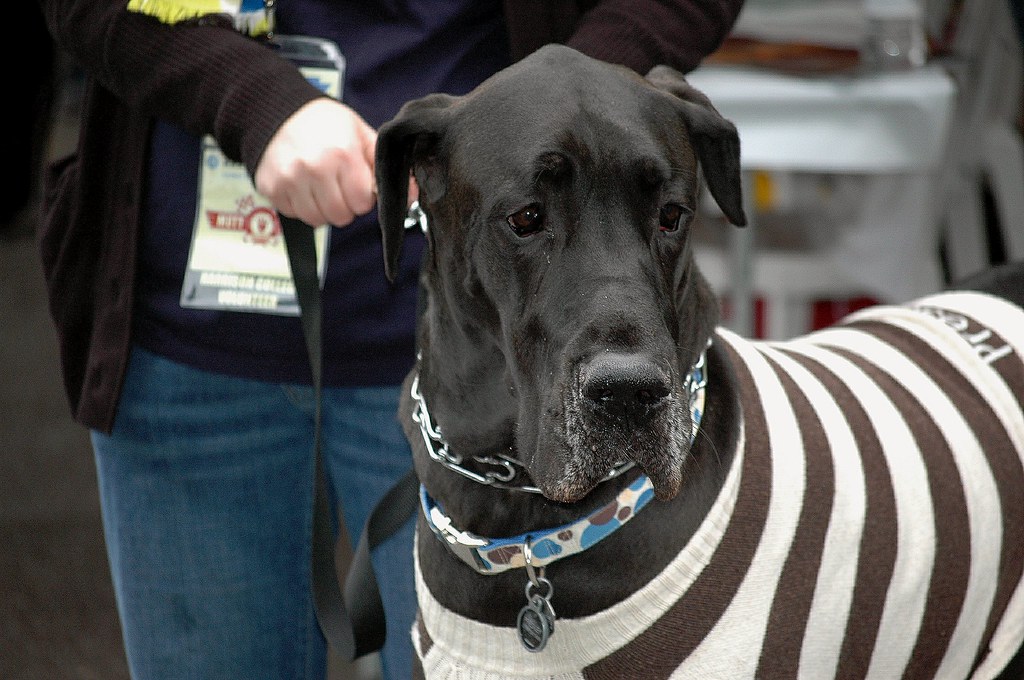
When it comes to owning a Great Dane, one of the most important factors to consider is their size and space requirements. Great Danes are known for their large size, with males typically standing at least 30 inches tall at the shoulder and weighing between 140 to 175 pounds. Due to their size, Great Danes require ample space to move around and stretch their legs. It is recommended to have a large, securely fenced yard where they can play and exercise. Additionally, Great Danes are not well-suited for small living spaces such as apartments or condos. They need room to roam and should have access to a comfortable indoor space as well. Ensuring that you have enough space to accommodate a Great Dane is essential for their well-being and happiness.
Temperament and Personality
The temperament and personality of a Great Dane is one of the most important things to consider when becoming an owner. Great Danes are known for their gentle and friendly nature, making them excellent family pets. They are often described as patient, loyal, and affectionate. However, it is important to note that Great Danes are also a giant breed, which means they can be quite powerful and may unintentionally knock over small children or fragile objects. Therefore, it is crucial to provide proper training and socialization to ensure that they can interact safely with people and other animals. Additionally, Great Danes have a tendency to be protective of their families, which can make them excellent guard dogs. Overall, owning a Great Dane requires a responsible and committed owner who is willing to provide the necessary care, training, and socialization to ensure a happy and well-behaved pet.
Health Considerations
When it comes to owning a Great Dane, there are several health considerations to keep in mind. One of the most important aspects of Great Dane health is their size. Great Danes are a giant breed, which means they are prone to certain health issues such as hip dysplasia and bloat. It is crucial to provide them with proper nutrition and exercise to maintain a healthy weight and prevent these conditions. Additionally, regular veterinary check-ups and vaccinations are necessary to ensure their overall well-being. Another health consideration for Great Danes is their susceptibility to certain genetic disorders. It is important to research and choose a reputable breeder to minimize the risk of these conditions. By being proactive in their healthcare, you can ensure that your Great Dane lives a long and healthy life.
Feeding and Nutrition
Recommended Diet for Great Danes
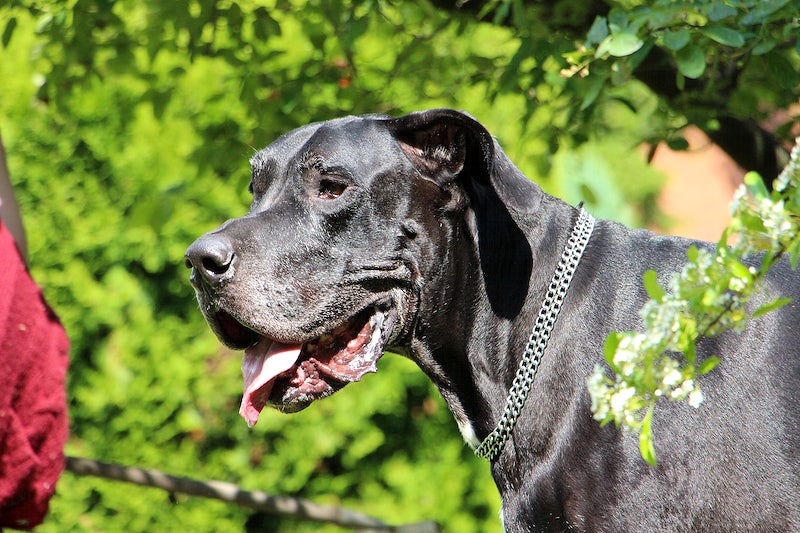
When it comes to the recommended diet for Great Danes, it is essential to provide them with a balanced and nutritious meal. These gentle giants have specific dietary needs due to their large size and rapid growth rate. A high-quality dog food that is specifically formulated for large breeds is highly recommended. It should contain a proper balance of protein, carbohydrates, fats, vitamins, and minerals. Additionally, it is crucial to feed them in appropriate portions to prevent obesity, as excess weight can put strain on their joints and lead to health issues. It is also advisable to consult with a veterinarian to determine the specific dietary requirements for your Great Dane and to address any individual health concerns. By providing a proper diet, you can ensure that your Great Dane remains healthy, happy, and full of energy.
Feeding Schedule
Feeding Schedule: Feeding your Great Dane properly is crucial for their health and well-being. It is recommended to feed them a high-quality dog food that is specifically formulated for large breeds. Great Danes have a fast metabolism and require frequent meals to maintain their energy levels. Divide their daily food intake into two or three meals to prevent bloating and other digestive issues. Avoid feeding them table scraps or human food as it can lead to obesity and nutritional imbalances. Always provide fresh water for your Great Dane and monitor their weight to ensure they are receiving the right amount of food. Following a consistent feeding schedule and portion control will help keep your Great Dane healthy and happy.
Common Dietary Issues
Great Danes are prone to several common dietary issues. One of the most common issues is bloat, also known as gastric dilatation-volvulus (GDV). Bloat occurs when the stomach fills with gas and twists, leading to a potentially life-threatening condition. Another common dietary issue in Great Danes is food allergies. These dogs may be allergic to certain ingredients in their food, such as grains or certain proteins. It is important to carefully monitor their diet and make necessary adjustments to avoid any allergic reactions. Finally, Great Danes are also prone to obesity. Due to their large size, they require a balanced diet and portion control to prevent excessive weight gain. It is essential to provide them with high-quality, nutritious food and avoid overfeeding them. By addressing these common dietary issues, Great Dane owners can ensure their pets lead a healthy and fulfilling life.
Exercise and Training
Exercise Needs of Great Danes
Great Danes are known for their large size and require a significant amount of exercise to stay healthy and happy. As terrier breeds, they have high energy levels and need daily physical activity to prevent boredom and behavioral issues. Regular walks, runs, and playtime in a secure and spacious area are essential for Great Danes. Engaging in activities that challenge their physical and mental abilities, such as obedience training or agility courses, can also be beneficial. It is important to note that exercise should be tailored to the individual dog's age, health, and fitness level. Providing proper exercise for Great Danes not only helps them maintain a healthy weight but also promotes good muscle tone and cardiovascular health. Therefore, it is crucial for owners to prioritize the exercise needs of Great Danes to ensure their overall well-being.
Training Methods for Great Danes
Training methods for Great Danes are essential for ensuring a well-behaved and obedient pet. Consistency is key when it comes to training these gentle giants. Positive reinforcement techniques, such as rewards and praise, work best for Great Danes. They respond well to treats and verbal cues, so using these in training sessions can be highly effective. It is important to start training early, as Great Danes grow quickly and can become more challenging to handle as they get older. Socialization is also crucial for Great Danes, as they tend to be wary of strangers and other animals. Exposing them to different environments and experiences will help them become more confident and well-adjusted. Training should be a fun and enjoyable experience for both the owner and the dog, so incorporating games and interactive activities can make the process more engaging. With patience, consistency, and positive reinforcement, Great Danes can be trained to be well-mannered and obedient companions.
Common Training Challenges
Training a Great Dane can come with its fair share of challenges. One common training challenge is their size. Great Danes are known for being one of the largest dog breeds, which can make it difficult to control and handle them during training sessions. Additionally, their strong-willed nature can make them stubborn and resistant to following commands. Patience and consistency are key when training a Great Dane, as it may take some time for them to fully grasp and comply with the desired behaviors. Another challenge is their energy level. Despite their large size, Great Danes are surprisingly energetic and require regular exercise to prevent boredom and destructive behavior. It is important to provide them with plenty of physical and mental stimulation to keep them engaged and focused during training. Overall, while training a Great Dane may present some challenges, with the right approach and dedication, it is possible to have a well-behaved and obedient companion.
Grooming and Care
Coat Care and Maintenance
Coat care and maintenance is essential for keeping your Great Dane looking and feeling their best. Regular grooming is necessary to prevent matting and keep their coat clean and healthy. Brushing their coat at least once a week will help remove loose hair and prevent tangles. Additionally, bathing your Great Dane every 6-8 weeks will help keep their coat smelling fresh and free of dirt and debris. It is also important to trim their nails regularly to prevent them from becoming too long and causing discomfort. Socializing your Great Dane is another crucial aspect of coat care and maintenance. Introducing them to different people, animals, and environments from a young age will help them become well-adjusted and confident. This will make grooming and maintenance activities much easier and stress-free for both you and your Great Dane.
Nail Trimming and Dental Care
Nail trimming and dental care are essential aspects of owning a Great Dane. Regular nail trims help prevent discomfort and potential injuries, as Great Danes have large, strong nails that can easily become overgrown. Dental care is also crucial for maintaining your Great Dane's overall health. Brushing their teeth regularly and providing dental treats or toys can help prevent dental issues such as tartar buildup and gum disease. By prioritizing nail trimming and dental care, you can ensure that your Great Dane remains happy and healthy.
Common Health Issues
Great Danes are a popular dog breed known for their large size and gentle nature. However, like all dog breeds, they are prone to certain health issues. It is important for potential owners to be aware of these common health problems to ensure the well-being of their Great Dane. One common health issue that Great Danes may experience is hip dysplasia, a condition where the hip joint does not develop properly. This can lead to pain and difficulty in walking. Another health concern for Great Danes is bloat, a condition where the stomach fills with gas and twists. This is a life-threatening emergency that requires immediate veterinary attention. Additionally, Great Danes are susceptible to heart disease, including dilated cardiomyopathy. Regular check-ups and a balanced diet can help prevent or manage these health issues in Great Danes.
Socialization and Interaction
Importance of Socialization
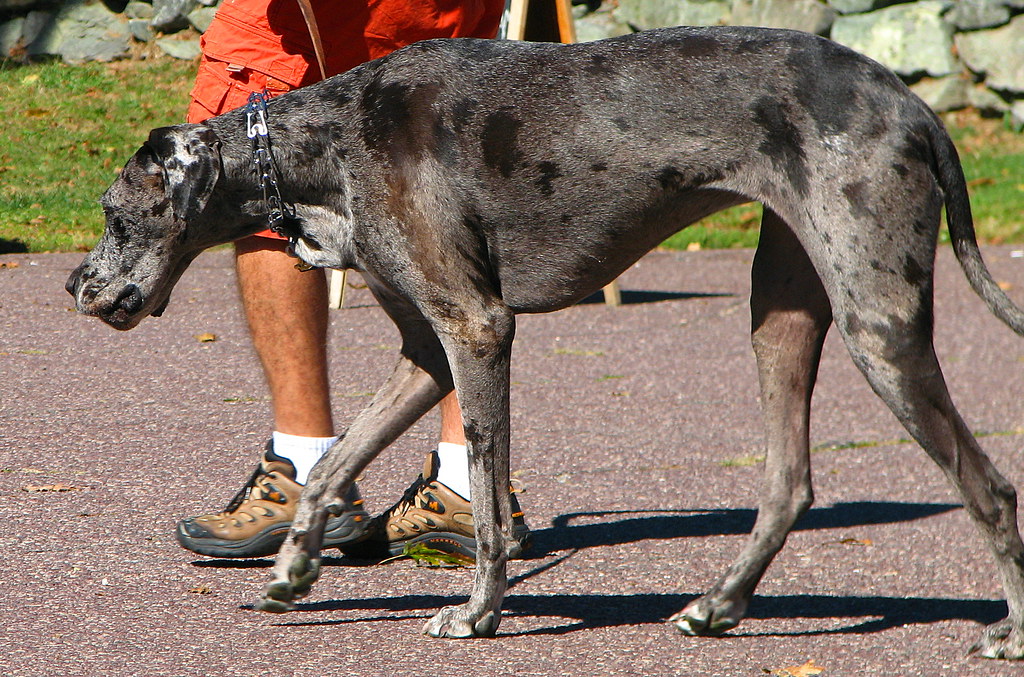
Socialization is crucial for Great Danes as it helps them develop into well-rounded and balanced dogs. By exposing them to various people, animals, and environments from an early age, owners can ensure that their Great Danes grow up to be social and friendly. This is particularly important for a breed known for its size and strength. Proper socialization can help prevent behavioral issues such as aggression and fearfulness. It also helps Great Danes become more adaptable and confident in different situations. Therefore, owners should prioritize socialization and provide their Great Danes with plenty of positive experiences and interactions.
Interacting with Other Dogs
Interacting with other dogs is an essential aspect of owning a Great Dane. These gentle giants are known for their friendly and sociable nature, making them generally good with other dogs. However, it is important to introduce your Great Dane to other dogs gradually and in a controlled environment. This will help prevent any potential conflicts or misunderstandings. It is also crucial to supervise the interactions between your Great Dane and other dogs, especially during the initial meetings. This will allow you to intervene if necessary and ensure the safety of all dogs involved. Additionally, providing positive reinforcement and rewards for good behavior during interactions can help strengthen the bond between your Great Dane and other dogs. Remember, a well-socialized Great Dane is more likely to have positive interactions with other dogs throughout their life.
Interacting with People and Children
Interacting with people and children is an important aspect of owning a Great Dane. These gentle giants are known for their friendly and sociable nature, making them excellent companions for individuals and families alike. When interacting with people, it is important to remember that Great Danes are large and powerful dogs, so proper supervision and control is necessary. It is also crucial to teach children how to properly approach and interact with a Great Dane to ensure everyone's safety. Additionally, it is recommended to introduce your Great Dane to different people and socialize them from a young age to help them develop good manners and positive behaviors around others. By promoting positive interactions with people and children, you can help your Great Dane become a well-rounded and well-behaved member of the community.


