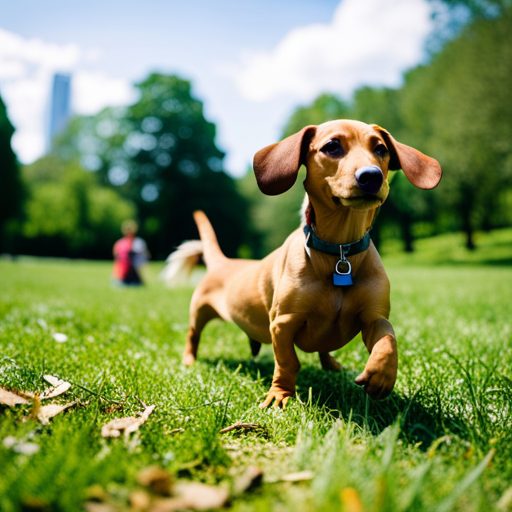
Are you struggling to train your Whippet German Shepherd mix puppy? Look no further! In this article, we will provide you with essential training tips to help you navigate from obedience to impressive tricks.
From early socialization to addressing specific behavior challenges, we've got you covered. With consistency and positive reinforcement techniques, you'll establish a solid foundation and build confidence in your furry friend.
Get ready to impress your friends with your well-trained pup!
The Importance of Early Socialization
You should prioritize early socialization for your Whippet German Shepherd mix puppy, as it can greatly impact their future behavior and interactions with other dogs.
One way to socialize your puppy is by setting up puppy playdates. These playdates provide numerous benefits for your furry friend. Not only do they allow your puppy to interact with other dogs, but they also teach important social skills, such as proper play behavior and communication. Through these playdates, your puppy will learn how to interact and read the body language of other dogs, which will help them navigate social situations later in life.
In addition to puppy playdates, it's crucial to introduce your puppy to different environments. Exposing them to various settings, such as parks, streets, and busy areas, helps them become comfortable and confident in different surroundings. This exposure can prevent fear or anxiety-related behaviors in the future, as your puppy learns to adapt to new environments with ease. It also helps them develop resilience and adaptability, which are essential traits for a well-rounded dog.
Establishing a Solid Foundation of Basic Commands
To establish a solid foundation of basic commands, begin by consistently practicing and reinforcing them with your Whippet German Shepherd mix puppy. Early potty training is crucial for teaching your puppy where to do their business. Take them outside frequently and reward them when they eliminate in the designated spot. Use positive reinforcement, such as treats and praise, to encourage good behavior and discourage accidents indoors.
Leash training is another essential skill that you should focus on from an early age. Start by introducing your puppy to the leash in a positive and gradual manner. Let them get accustomed to wearing it around the house before venturing outside. Use short, controlled walks to teach them how to walk on a leash without pulling. Reward them with treats for walking calmly beside you. If your puppy starts to pull, stop walking and wait for them to calm down before continuing. Consistency is key in leash training, so make sure to practice regularly.
Building Confidence Through Agility Training
By incorporating agility training into your puppy's routine, you can build their confidence and improve their overall coordination. Agility training involves teaching your puppy to navigate through various obstacles such as tunnels, jumps, and weave poles. Not only does this type of training provide physical exercise, but it also challenges your puppy mentally and helps them develop problem-solving skills.
One of the key benefits of agility training is building trust between you and your puppy. As you guide them through the course, they learn to rely on your cues and directions. This strengthens the bond between you and creates a sense of security for your puppy.
In addition to building trust, agility training helps improve coordination. The various obstacles require your puppy to use their body in different ways, which enhances their proprioception and spatial awareness. This not only benefits them during agility training but also in their everyday activities.
When starting agility training with your puppy, it's important to take it slow and use positive reinforcement. Make the training sessions fun and rewarding, so your puppy associates agility with positive experiences. With consistent practice and patience, you'll see your puppy's confidence grow, and their coordination improve. Remember to always celebrate their progress and enjoy the journey together.
Teaching Impressive Tricks to Impress Your Friends
With a little practice and patience, you can easily teach your puppy impressive tricks like rolling over or giving high fives to amaze your friends. Training your puppy to perform entertaining performances is a great way to bond with them and showcase their intelligence. The key to teaching impressive tricks is to break them down into smaller steps and reward your puppy for their progress.
Start by choosing a trick that you want to teach your puppy. Whether it's shaking paws or jumping through hoops, make sure it's something that your friends will be amazed by. Break down the trick into smaller parts and teach your puppy each step separately. For example, if you want to teach them to roll over, start by getting them to lie down on command. Once they've mastered that, move on to getting them to roll onto their side. Gradually, with consistent practice and positive reinforcement, they'll learn to complete the entire trick.
Remember to be patient with your puppy and use positive reinforcement techniques such as treats and praise. Make the training sessions short and fun, and always end on a positive note. Soon enough, your puppy will be performing impressive tricks that will leave your friends in awe.
Addressing Specific Behavior Challenges
Identify the root cause of your puppy's aggression to effectively address specific behavior challenges. Aggression in puppies can be a concerning issue for many pet owners. It's crucial to understand why your puppy is displaying aggressive behavior in order to address it properly.
One common cause of aggression in puppies is fear or anxiety. If your puppy feels threatened or uncomfortable in certain situations, they may react aggressively as a defense mechanism.
Another cause of aggression could be lack of socialization. Puppies who haven't been exposed to different people, animals, and environments may become fearful and react aggressively. It's important to gradually expose your puppy to new experiences to prevent aggression.
Additionally, pain or discomfort can also trigger aggressive behavior in puppies. If your puppy is in pain, it's essential to seek veterinary attention to address the underlying issue.
Behavior modification techniques, such as positive reinforcement training, can be effective in addressing aggression in puppies. By rewarding good behavior and redirecting their attention, you can encourage positive behaviors and discourage aggression.
Additionally, proper potty training is essential for addressing behavior challenges. A consistent potty training routine can help prevent accidents and establish good habits.
Remember to be patient, consistent, and understanding when addressing aggression and behavior challenges in your puppy.
Maintaining Consistency and Positive Reinforcement Techniques
To effectively train your Whippet German Shepherd mix puppy, it's crucial to maintain consistency and utilize positive reinforcement techniques.
By being consistent in your commands and expectations, you can help your puppy understand what's expected of them and reinforce good behavior.
Positive reinforcement, such as treats or praise, can be used to reward and encourage your puppy when they exhibit desired behaviors, making the training experience more enjoyable and effective for both of you.
Consistency in Training
Stay consistent in your training sessions by using positive reinforcement techniques for your Whippet German Shepherd mix puppy. A training schedule is crucial to ensure your puppy receives consistent guidance and learns the desired behaviors. Set aside specific times each day for training, keeping the sessions short and focused to maintain your puppy's attention.
When it comes to reinforcement methods, positive reinforcement is highly effective. Reward your puppy with treats, praise, or playtime whenever they display the desired behavior. This positive association encourages them to repeat the behavior in the future.
Avoid using punishment or negative reinforcement, as it can lead to fear or aggression in your puppy. Remember, patience and consistency are key in training your Whippet German Shepherd mix puppy, helping them grow into a well-behaved and happy companion.
Positive Reinforcement for Success
Positive reinforcement techniques and reward-based training methods are essential for effectively training your puppy. When you consistently use positive reinforcement, you're providing your puppy with a clear understanding of what behaviors are desired. By praising and rewarding your puppy for exhibiting the desired behavior, you're reinforcing that behavior, making it more likely to be repeated in the future.
Consistency is crucial because it helps your puppy understand what's expected of them consistently. If you're inconsistent with your training methods, your puppy may become confused and unsure of what behavior is desired.
Remember to use positive reinforcement consistently to create a strong foundation for successful training and to encourage your puppy's continued progress.
Effective Training Techniques
Remember, consistency is key, so be patient and use positive reinforcement techniques to effectively train your Whippet German Shepherd mix puppy.
When it comes to establishing boundaries, it's important to be clear and consistent in your expectations. Start by creating a designated area for your puppy, such as a crate or a specific room, where they can feel safe and secure.
Use positive reinforcement, such as treats and praise, to reward good behavior and discourage unwanted actions.
As for leash training techniques, start by introducing your puppy to the leash gradually. Allow them to explore it, sniff it, and get used to its presence. Then, attach the leash and let your puppy walk around with it, rewarding them for staying calm and not pulling.
With patience and consistent training, your Whippet German Shepherd mix puppy will learn to respect boundaries and become a well-behaved companion.
Frequently Asked Questions
What Are Some Common Health Issues That Whippet German Shepherd Mix Puppies May Face?
Common health issues in whippet german shepherd mix puppies include hip dysplasia, bloat, and eye problems. To properly socialize your puppy, expose them to various people, animals, and environments from a young age.
How Often Should I Socialize My Whippet German Shepherd Mix Puppy?
You should socialize your whippet German Shepherd mix puppy early and regularly. It's important for their development. Start by introducing them to new people and animals gradually, using positive reinforcement and rewards.
Are There Any Specific Strategies for Housebreaking a Whippet German Shepherd Mix Puppy?
When housebreaking your Whippet German Shepherd mix puppy, there are specific strategies you can use. One effective method is crate training. By using consistent routines and positive reinforcement, you can help your puppy learn to potty outside.
How Can I Prevent Separation Anxiety in My Whippet German Shepherd Mix Puppy?
To prevent separation anxiety in your whippet german shepherd mix puppy, it's important to use effective training techniques. Start by gradually increasing the time you spend away from them and provide plenty of mental and physical stimulation.
What Is the Average Lifespan of a Whippet German Shepherd Mix?
The average lifespan of a Whippet German Shepherd mix is around 10 to 15 years. To care for your puppy, provide regular exercise, a balanced diet, regular vet check-ups, and lots of love and attention.
Conclusion
In conclusion, training a Whippet German Shepherd mix puppy requires:
– Early socialization
– A solid foundation of basic commands
– Agility training for confidence building
– Teaching impressive tricks
– Addressing behavior challenges
– Maintaining consistency and positive reinforcement techniques
By following these tips, you can ensure that your puppy grows into a well-behaved and impressive companion that will impress your friends and bring you joy for years to come.