Overview
Introduction to Scottish Terrier training
Scottish Terrier training is an essential aspect of owning this intelligent and independent breed. These dogs are known for their strong-willed nature and require consistent and effective training techniques to ensure they become well-behaved and obedient companions. The purpose of this article is to provide an introduction to Scottish Terrier training and explore the most effective techniques and strategies that can be employed to train these dogs successfully.
Benefits of training a Scottish Terrier
Training a Scottish Terrier has numerous benefits. Firstly, it helps in establishing a strong bond between the owner and the dog. Through training, the owner can understand the needs and behavior of the Scottish Terrier, which leads to better communication and a deeper connection. Additionally, training provides mental stimulation for the dog, keeping them engaged and preventing boredom. It also helps in teaching the dog essential skills and commands, ensuring their safety and well-being. Furthermore, a well-trained Scottish Terrier is more sociable and well-behaved, making it easier to take them to public places and interact with other people and animals. Lastly, training can also help in preventing or addressing behavioral issues such as excessive barking, aggression, or separation anxiety, making the dog a happier and more well-adjusted pet.
Common challenges in Scottish Terrier training
Scottish Terrier training can come with its fair share of challenges. One common challenge is the comparison between Scottish Terriers and other terrier breeds. It is important to understand the unique characteristics and temperament of Scottish Terriers in order to effectively train them. Scottish Terriers have a strong independent streak and can be stubborn at times. This can make training more challenging compared to other terrier breeds. However, with the right techniques and strategies, it is possible to overcome these challenges and successfully train a Scottish Terrier. By focusing on positive reinforcement, consistency, and patience, owners can build a strong bond with their Scottish Terrier and help them become well-behaved and obedient companions.
Understanding the Scottish Terrier Breed
History and origin of the Scottish Terrier
The Scottish Terrier, also known as the Scottie, is a small, sturdy breed of dog that originated in Scotland. With a history dating back to the 17th century, the Scottish Terrier was originally bred for hunting small game such as rodents and foxes. Over time, they became popular as companion dogs due to their loyal and affectionate nature. Today, Scottish Terriers are still highly regarded for their intelligence and independent spirit. When it comes to training, Scottish Terriers can be a bit stubborn, but with the right techniques and strategies, they can become well-behaved and obedient pets. It is important to start training them from a young age and to use positive reinforcement methods. By providing consistent and firm guidance, owners can help their Scottish Terriers develop good manners and social skills. Training sessions should be short and engaging, focusing on rewards and praise to motivate the dog. Overall, with proper training, the Scottish Terrier can be a wonderful and well-trained companion.
Physical characteristics of Scottish Terriers
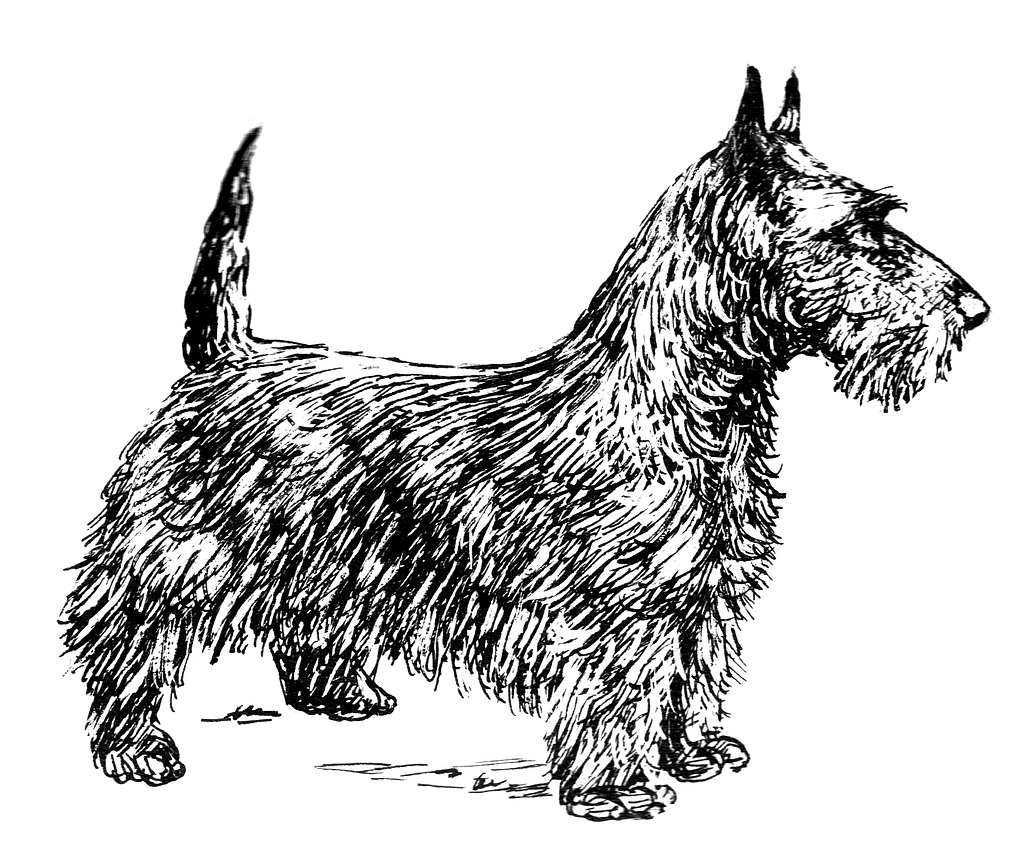
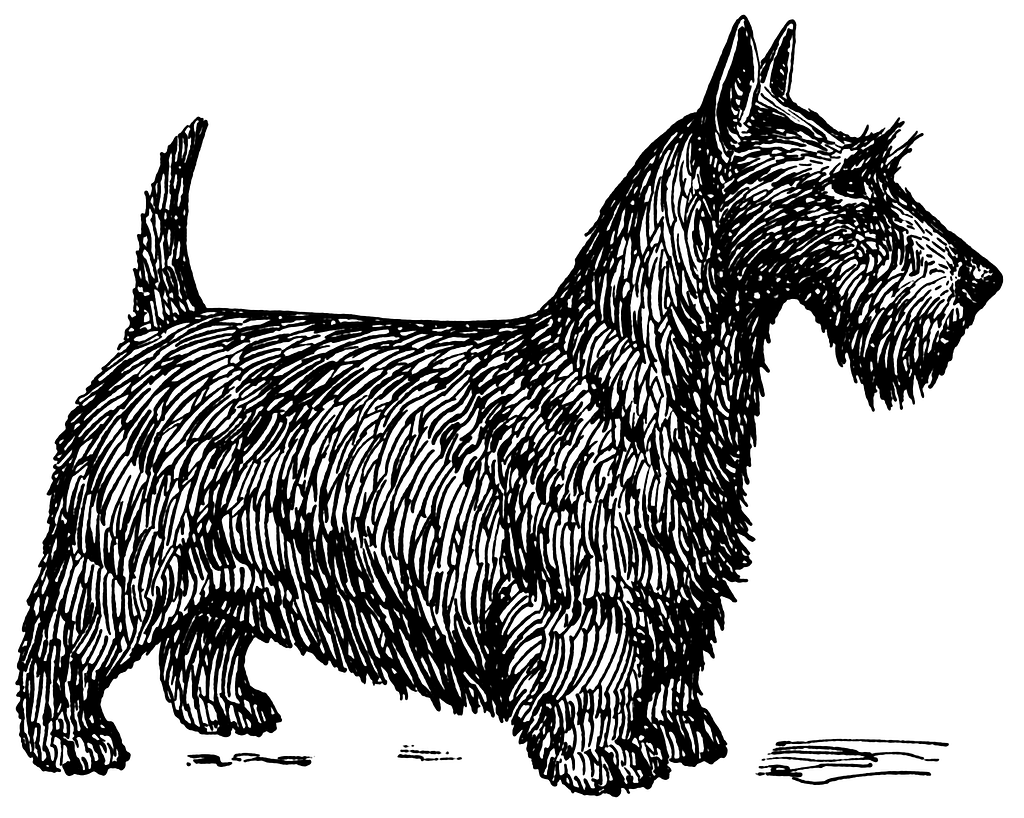
Scottish Terriers are a breed of small, sturdy dogs that are known for their distinctive physical characteristics. They have a compact body with a muscular build, and their height ranges from 10 to 11 inches at the shoulder. One of the most notable features of Scottish Terriers is their long, wiry coat, which requires regular grooming to keep it in good condition. Their coat comes in various colors, including black, brindle, and wheaten. Scottish Terriers also have a strong, square-shaped head with a pronounced stop, and their eyes are dark and almond-shaped. Another distinguishing feature of Scottish Terriers is their erect, pointed ears, which give them an alert and intelligent expression. Overall, the physical characteristics of Scottish Terriers make them a unique and visually striking breed.
Temperament and personality traits of Scottish Terriers
Scottish Terriers are known for their unique temperament and personality traits. They are independent and self-assured dogs, with a strong-willed nature. Despite their small size, Scottish Terriers are fearless and have a big personality. They are highly intelligent and have a keen sense of curiosity, making them excellent problem solvers. Scottish Terriers are also known for their love of outdoor adventures, as they have a natural instinct to explore and wander. Whether it's hiking, camping, or simply exploring the backyard, Scottish Terriers thrive in outdoor environments. Their energetic and adventurous nature makes them the perfect companion for outdoor enthusiasts. With their bold and confident personality, Scottish Terriers are always up for new challenges and experiences.
Basic Training Techniques
Positive reinforcement training methods
Positive reinforcement training methods are highly effective when it comes to Scottish Terrier training. By using positive reinforcement techniques, such as rewards and praise, owners can encourage desired behaviors in their Scotties. One important aspect of positive reinforcement training is finding the perfect collie puppies. When looking for a Scottish Terrier puppy, it is important to consider factors such as temperament, health, and breed standards. By knowing what to look for in a Scottish Terrier puppy, owners can ensure they are getting a healthy and well-suited companion. Additionally, understanding the key characteristics of a Scottish Terrier can help owners tailor their training methods to suit their dog's needs. Overall, positive reinforcement training methods combined with careful selection of a Scottish Terrier puppy can lead to successful training outcomes.
Teaching basic commands to Scottish Terriers
When it comes to teaching basic commands to Scottish Terriers, there are a few key strategies that can be highly effective. First and foremost, consistency is key. Scottish Terriers thrive on routine, so it's important to establish a consistent training schedule and stick to it. Additionally, positive reinforcement is essential. Using treats, praise, and rewards can motivate your Scottish Terrier to learn and obey commands more quickly. Another important tip is to keep training sessions short and engaging. Scottish Terriers have a tendency to get bored easily, so keeping the sessions fun and interactive will help maintain their focus. Lastly, patience is crucial. Training a Scottish Terrier takes time and effort, so it's important to be patient and understanding throughout the process. By following these tips and techniques, you can successfully teach your Scottish Terrier basic commands and build a strong bond with your furry friend.
Crate training and housebreaking
Crate training and housebreaking are essential aspects of Scottish Terrier training. These techniques help in teaching the dog to develop good behavior and become a well-behaved companion. Crate training involves using a crate or a confined space to create a safe and comfortable environment for the dog. This method helps in preventing accidents inside the house and also gives the dog a sense of security. Housebreaking, on the other hand, focuses on teaching the dog where to eliminate. It involves establishing a routine and rewarding the dog for eliminating in the designated area. Both crate training and housebreaking are crucial for the overall training and development of Scottish Terriers. They are especially beneficial for non dog owners who may not have prior experience in training dogs.
Advanced Training Strategies
Teaching advanced commands and tricks
Teaching advanced commands and tricks is an essential part of Scottish Terrier training. It allows owners to further enhance their dog's skills and intelligence. One important aspect to consider is the intelligence of golden retrievers. These dogs are known for their exceptional intelligence and ability to learn new commands quickly. By incorporating advanced commands and tricks into the training routine, Scottish Terrier owners can tap into their dog's natural intelligence and provide mental stimulation. This not only keeps the dog engaged but also strengthens the bond between the owner and the pet. To make the training sessions more effective, it is recommended to use positive reinforcement techniques and break down complex commands into smaller steps. By doing so, owners can ensure that their Scottish Terrier masters advanced commands and tricks with ease.
Socialization and obedience training
Socialization and obedience training are crucial aspects of Scottish Terrier training. It is important to expose your Scottish Terrier to various social situations and environments from a young age. This will help them develop confidence and adaptability. Obedience training is also essential to ensure that your Scottish Terrier understands and follows basic commands. Training sessions should be conducted in a positive and consistent manner, using rewards and positive reinforcement. Additionally, grooming is an important part of Scottish Terrier care. Regular brushing and grooming sessions help maintain their coat's health and prevent matting. It is recommended to start grooming your Scottish Terrier from a young age to get them accustomed to the process. Dog grooming also includes nail trimming, ear cleaning, and dental care. By incorporating socialization, obedience training, and grooming into your Scottish Terrier's routine, you can ensure they grow up to be well-rounded and healthy dogs.
Special Considerations for Scottish Terrier Training
Dealing with stubbornness and independence
Dealing with stubbornness and independence can be a common challenge when training a Scottish Terrier. These adorable and intelligent dogs have a strong-willed nature, which can sometimes make them resistant to commands and training techniques. However, with the right approach and consistency, it is possible to overcome their stubbornness and foster a cooperative training environment. When dealing with a stubborn Scottish Terrier, it is important to establish yourself as the pack leader and set clear boundaries and expectations. Consistency is key, as these dogs thrive on routine and structure. Positive reinforcement techniques, such as rewards and praise, can also be effective in motivating them to follow commands. It is important to avoid harsh or punitive methods, as this can lead to fear or aggression in these sensitive dogs. Additionally, providing mental stimulation and engaging in regular exercise can help channel their independent nature in a positive way. By understanding and working with their unique personality traits, Scottish Terrier training can be a rewarding and successful experience.
Grooming and maintenance for Scottish Terriers
Proper grooming and maintenance are essential for keeping Scottish Terriers healthy and happy. These small but sturdy dogs have a dense double coat that requires regular brushing to prevent matting and to remove loose hair. It is recommended to brush their coat at least once a week to keep it clean and tangle-free. Additionally, Scottish Terriers should be bathed every few months to keep their skin and coat in good condition. Regular nail trimming is also important to prevent discomfort and potential injury. Lastly, it is crucial to regularly check and clean their ears to prevent infections. By following these grooming and maintenance practices, Scottish Terrier owners can ensure their pets look and feel their best.
Health and exercise requirements
Health and exercise requirements are crucial aspects of Scottish Terrier training. To ensure the overall well-being of these intelligent and energetic dogs, it is important to provide them with regular physical activity and a balanced diet. Regular exercise not only helps in maintaining their physical health but also contributes to their mental stimulation. Scottish Terriers thrive in an environment that allows them to explore and engage in various activities, such as daily walks, play sessions, and interactive games. Additionally, establishing a strong human-dog bond is essential for their emotional well-being. The human-dog bond refers to the unique and special connection between a dog and its owner. This bond is built through consistent training, positive reinforcement, and quality time spent together. By fostering a strong human-dog bond, Scottish Terriers can develop trust, loyalty, and a sense of security, which ultimately enhances their overall happiness and behavior.
Tips for Successful Scottish Terrier Training
Establishing a consistent training routine
Establishing a consistent training routine is crucial for the successful training of Scottish Terriers. Pets thrive in an environment where they know what to expect and when to expect it. By setting a consistent routine, owners can establish clear boundaries and expectations for their furry companions. This helps in creating a sense of stability and security for the Scottish Terrier, making the training process more effective. Additionally, a consistent training routine allows for better communication between the owner and the pet, leading to a stronger bond and mutual understanding. It is important to remember that consistency is key when it comes to training Scottish Terriers, as they are intelligent and independent dogs who respond well to structure and routine.
Patience and positive reinforcement
When it comes to Scottish Terrier training, patience and positive reinforcement are key. Training a Scottish Terrier can be a challenging task, as they are known for their independent and stubborn nature. However, with patience and a positive approach, you can effectively train your Scottish Terrier and develop a strong bond with them. Patience is essential because Scottish Terriers may take longer to learn commands and may require consistent repetition. It is important to remain calm and patient throughout the training process, as frustration or impatience can hinder progress. Positive reinforcement is another crucial aspect of Scottish Terrier training. By rewarding your dog with treats, praise, or playtime whenever they exhibit desired behaviors, you can motivate them to continue learning and obeying commands. This positive approach helps build trust and confidence in your Scottish Terrier, making the training experience more enjoyable for both of you.
Seeking professional help if needed
If you find that your efforts to train your Scottish Terrier are not yielding the desired results, seeking professional help can be a valuable option. Professional trainers have the knowledge and experience to address specific training challenges and provide effective solutions. They can assess your dog's behavior, identify any underlying issues, and develop a personalized training plan to meet your dog's needs. Additionally, professional trainers can introduce advanced training techniques, such as positive reinforcement and clicker training, which can accelerate the learning process. By working with a professional, you can ensure that your Scottish Terrier receives the guidance and support necessary to become a well-behaved and obedient companion.