Introduction
Overview of Scottish Terrier
The Scottish Terrier, also known as the Scottie, is a small and sturdy breed of terrier that originated in Scotland. They are known for their distinctive appearance, with a wiry coat, erect ears, and a keen expression. Scottish Terriers are often compared to other terrier breeds due to their similar characteristics, but they have a few key differences that set them apart. One of the notable differences is their temperament. While some terrier breeds can be more energetic and outgoing, Scottish Terriers are known for their independent and reserved nature. They are generally not as dog-friendly as other terrier breeds and may require proper socialization from an early age. However, this does not mean that Scottish Terriers cannot enjoy outdoor adventures. With the right training and socialization, they can still be great companions for dog-friendly outdoor activities. It is important to provide them with regular exercise and mental stimulation to keep them happy and healthy. Overall, the Scottish Terrier is a unique and loyal breed that can bring joy and companionship to their owners, even during outdoor adventures.
Overview of Other Terrier Breeds
Other terrier breeds are a diverse group of dogs that share some common characteristics. They are known for their feisty and energetic nature, as well as their strong prey drive. These breeds were originally bred for hunting and vermin control, and they excel in tasks that require agility and determination. Some popular terrier breeds include the Jack Russell Terrier, the West Highland White Terrier, and the Yorkshire Terrier. Each breed has its own unique traits and characteristics, but all terriers share a bold and confident personality. Whether you're looking for a small and lively companion or a fearless and tenacious working dog, there is a terrier breed that can suit your needs.
Purpose of the Article
The purpose of this article is to explore and highlight the key differences between Scottish Terriers and other Terrier breeds. By understanding these differences, readers will be able to make informed decisions when choosing a Terrier breed as a pet. This article aims to provide comprehensive information on various aspects such as appearance, temperament, exercise needs, and grooming requirements. Whether you are considering getting a Scottish Terrier or exploring other Terrier breeds, this article will serve as a valuable resource to help you make the right choice.
Physical Characteristics
Size and Weight
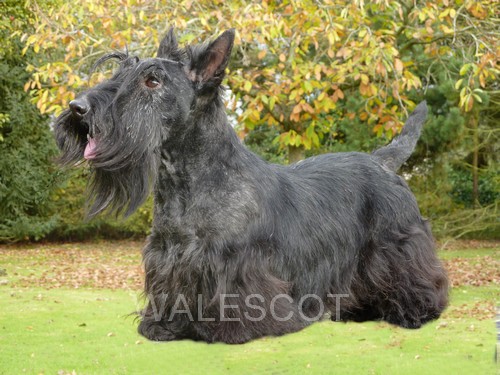
When comparing Scottish Terriers to other terrier breeds, one key difference to consider is their size and weight. Scottish Terriers are known for their compact and sturdy build, typically weighing between 19 and 22 pounds. This makes them slightly larger than some other terrier breeds, such as the West Highland White Terrier and the Cairn Terrier, which usually weigh around 15 to 20 pounds. Despite their larger size, Scottish Terriers are still considered small dogs, standing at around 10 inches tall at the shoulder. Their robust physique and muscular build contribute to their distinctive appearance and give them the strength to excel in various activities, including agility and obedience competitions.
Coat and Color
The coat and color of Scottish Terriers and other terrier breeds are key distinguishing factors. Scottish Terriers have a dense, wiry double coat that requires regular grooming to maintain its appearance and texture. The most common color for Scottish Terriers is black, but they can also be found in brindle, wheaten, and gray. Other terrier breeds, such as the West Highland White Terrier and the Cairn Terrier, have different coat types and colors. West Highland White Terriers have a dense, straight coat that is always white, while Cairn Terriers have a shaggy, weather-resistant double coat that can be various shades of red, brindle, or gray. Understanding the differences in coat and color is important for potential owners to choose the terrier breed that best suits their preferences and lifestyle.
Facial Features
When comparing the facial features of Scottish Terriers to other terrier breeds, there are several key differences to note. One notable difference is the shape of their muzzle. Scottish Terriers have a more elongated and pointed muzzle compared to other terrier breeds, which tend to have shorter and broader muzzles. Another distinguishing feature is the shape and positioning of their ears. Scottish Terriers have erect and pointed ears that are set high on their head, giving them a more alert and attentive appearance. In contrast, other terrier breeds may have floppy or folded ears that are positioned lower on their head. Additionally, Scottish Terriers are known for their distinctive eyebrows and beard, which give them a unique and expressive facial expression. These features, combined with their intense and intelligent eyes, contribute to the overall charm and character of Scottish Terriers.
Temperament and Personality
Scottish Terrier Temperament
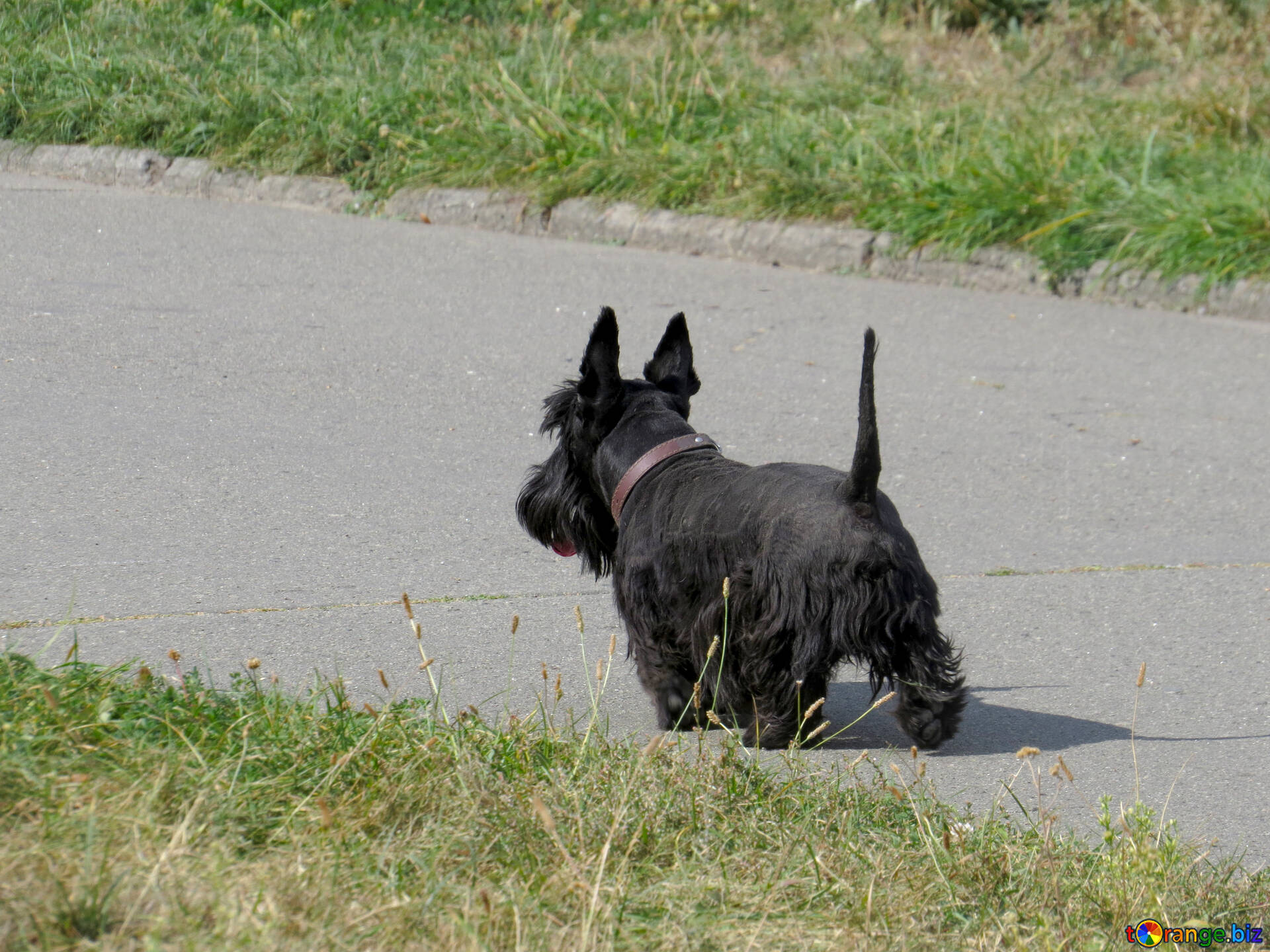
The Scottish Terrier is known for its unique temperament that sets it apart from other terrier breeds. This breed is often described as independent, confident, and feisty. Scottish Terriers are known to be loyal and protective of their families, making them excellent guard dogs. They are also known for their intelligence and stubbornness, which can sometimes make training a challenge. However, with consistent and firm training, Scottish Terriers can be well-behaved and obedient pets. Despite their small size, Scottish Terriers have a big personality and are not afraid to stand up to larger dogs. They are also known for their love of digging and hunting instincts. Overall, Scottish Terriers are a wonderful choice for individuals or families looking for a spirited and devoted companion.
Other Terrier Breeds' Temperament
When comparing the temperament of Scottish Terriers to other terrier breeds, there are several key differences to consider. While Scottish Terriers are known for their independent and confident nature, other terrier breeds may exhibit different temperaments. For example, some terrier breeds are more energetic and playful, while others may be more reserved and aloof. Additionally, certain terrier breeds may have a higher prey drive and be more prone to chasing small animals. It is important for potential dog owners to research and understand the temperament of different terrier breeds before making a decision.
Comparison of Temperaments
When comparing the temperaments of Scottish Terriers and other terrier breeds, there are several key differences to consider. Scottish Terriers are known for their independent and self-assured nature. They are often described as confident and fearless, with a strong sense of loyalty to their family. Other terrier breeds, on the other hand, may vary in temperament. Some terriers, like the Jack Russell Terrier, are known for their high energy levels and lively personalities. Others, like the West Highland White Terrier, are known for their friendly and outgoing nature. Overall, while all terrier breeds share certain characteristics, it is important to understand the specific temperament of each breed before making a decision.
Trainability
Scottish Terrier Trainability
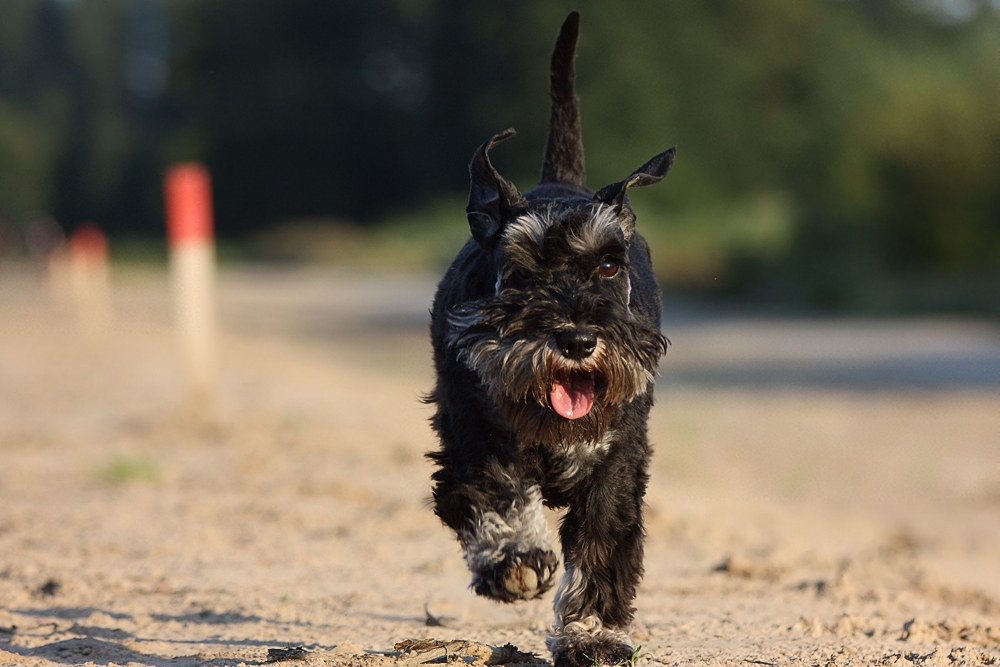
Scottish Terriers are known for their intelligence and independent nature, which can make training them a bit challenging. However, with patience, consistency, and positive reinforcement, Scottish Terriers can be trained to be obedient and well-behaved. It is important to start training them at a young age to establish good habits and prevent any potential behavioral issues. Scottish Terriers are quick learners and respond well to praise and rewards. They thrive in an environment where they are given clear instructions and boundaries. While they may have a stubborn streak, Scottish Terriers are eager to please their owners and can excel in obedience training and various dog sports. Overall, Scottish Terriers have a moderate trainability level compared to other terrier breeds.
Other Terrier Breeds' Trainability
When comparing the trainability of Scottish Terriers to other terrier breeds, there are a few key differences to consider. While Scottish Terriers are known for their independent and stubborn nature, other terrier breeds tend to be more trainable and eager to please. This is not to say that Scottish Terriers cannot be trained, but their strong-willed personality may require more patience and consistent training methods. On the other hand, other terrier breeds such as the Border Terrier and the Jack Russell Terrier are often praised for their quick learning abilities and willingness to obey commands. It is important to note that individual temperament and personality can vary within each breed, so it is essential to assess each dog's unique traits when considering trainability.
Training Tips for Terrier Breeds
When it comes to training terrier breeds, there are a few key tips to keep in mind. First and foremost, consistency is key. Terriers thrive on routine and structure, so it's important to establish clear rules and expectations from the start. Additionally, positive reinforcement is crucial when training terriers. These breeds respond best to rewards and praise, so be sure to provide plenty of treats and verbal encouragement. Another important tip is to keep training sessions short and engaging. Terriers have a tendency to get bored easily, so keeping the sessions fun and interactive will help maintain their focus. Lastly, socialization is essential for terrier breeds. Exposing them to different people, animals, and environments from a young age will help prevent any potential behavioral issues. By following these training tips, you can ensure that your terrier breed becomes a well-behaved and obedient companion.
Health and Care
Common Health Issues in Scottish Terriers
Scottish Terriers are generally a healthy breed, but like all dogs, they are prone to certain health issues. One common health issue in Scottish Terriers is Scottie Cramp, a neurological disorder that affects their muscle coordination. Another health issue is von Willebrand's disease, a blood clotting disorder that can cause excessive bleeding. Additionally, Scottish Terriers are more susceptible to skin allergies and dermatitis. Regular veterinary check-ups and proper care can help prevent and manage these health issues in Scottish Terriers.
Common Health Issues in Other Terrier Breeds
When it comes to common health issues in other terrier breeds, there are a few key differences to note. While Scottish Terriers are generally healthy dogs, other terrier breeds may be prone to certain conditions. For example, the Jack Russell Terrier is known to have a higher risk of developing skin allergies and eye problems. On the other hand, the West Highland White Terrier is more susceptible to skin conditions such as atopic dermatitis and allergies. Additionally, the Cairn Terrier has a predisposition to progressive retinal atrophy, a degenerative eye disease. It is important for potential owners of other terrier breeds to be aware of these potential health issues and to provide proper care and regular check-ups to ensure the well-being of their furry companions.
Care and Maintenance
When it comes to the care and maintenance of Scottish Terriers and other terrier breeds, there are a few key differences to keep in mind. One of the main differences is in their grooming needs. Scottish Terriers have a dense, wiry coat that requires regular brushing and occasional hand-stripping to maintain its texture. On the other hand, some other terrier breeds have a softer coat that may require more frequent grooming to prevent matting and tangling. Additionally, Scottish Terriers are prone to certain health issues, such as Scottie cramp and von Willebrand's disease, which may require specialized care and monitoring. It's important to consult with a veterinarian to ensure you are providing the appropriate care for your specific terrier breed. Overall, proper care and maintenance are essential for keeping your Scottish Terrier or other terrier breed happy and healthy.
Conclusion
Summary of Key Differences
The Scottish Terrier and other terrier breeds have several key differences. One of the main differences is their size. Scottish Terriers are typically smaller in size compared to other terrier breeds. Another difference is their appearance. Scottish Terriers have a distinct look with their wiry coats and bearded faces, while other terrier breeds may have different coat types and facial features. Additionally, the temperament of Scottish Terriers and other terrier breeds can vary. Scottish Terriers are known for being independent and confident, while other terrier breeds may have different temperaments. Overall, these key differences contribute to the uniqueness of Scottish Terriers and set them apart from other terrier breeds.
Choosing the Right Terrier Breed
When it comes to choosing the right terrier breed, there are several factors to consider. One of the key differences between Scottish Terriers and other terrier breeds is their size. Scottish Terriers are generally smaller in size compared to other terrier breeds such as the Airedale Terrier or the Bull Terrier. Another important difference is their temperament. Scottish Terriers are known for their independent and sometimes stubborn nature, while other terrier breeds may be more outgoing and friendly. Additionally, grooming requirements vary among terrier breeds, with Scottish Terriers requiring regular brushing and grooming to maintain their distinctive wiry coat. Overall, it is important to carefully research and consider the specific characteristics and needs of each terrier breed before making a decision.