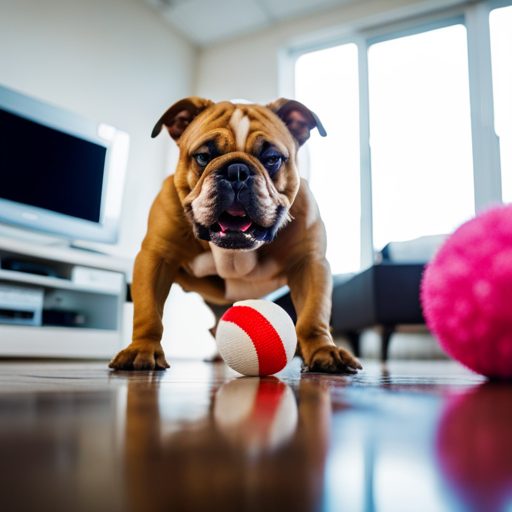
If you're considering adopting an Italian Greyhound Pug mix, there are a few things you need to know. This adorable breed combination brings together the best of both worlds.
Their playful and social nature will surely melt your heart. But it's essential to understand their specific needs and characteristics.
From exercise requirements to potential health issues, this article will guide you through the journey of welcoming this unique and lovable companion into your home.
Breed Characteristics
You should consider the breed characteristics when choosing an Italian Greyhound Pug mix as your new pet. One important aspect to consider is the breed size. Italian Greyhounds are known for their small size, typically weighing between 7 to 14 pounds and standing around 13 to 15 inches tall at the shoulder. Pugs, on the other hand, are slightly larger, weighing between 14 to 18 pounds and standing around 10 to 13 inches tall. As a mix of these two breeds, your Italian Greyhound Pug mix will likely fall somewhere in between these size ranges.
In terms of grooming needs, both Italian Greyhounds and Pugs have short coats that are relatively easy to maintain. They don't require frequent brushing, but a weekly brushing will help keep their coat healthy and free of loose hair. However, it's important to note that Pugs are known for shedding more than Italian Greyhounds. So, your Italian Greyhound Pug mix may inherit this trait and require slightly more grooming in terms of shedding control. Additionally, both breeds are prone to dental issues, so regular teeth brushing and dental check-ups are important for your Italian Greyhound Pug mix's overall health.
Considering these breed characteristics, you can make an informed decision about whether an Italian Greyhound Pug mix is the right fit for you and your lifestyle.
Temperament and Personality Traits
There are several key personality traits and temperament factors that you should consider when choosing an Italian Greyhound Pug mix as your new pet. These adorable hybrid dogs are known for their friendly and affectionate nature, making them great companions for individuals and families alike. They're generally sociable and get along well with other pets, making them a good choice for multi-pet households.
However, it's important to note that Italian Greyhound Pug mixes may be prone to certain behavior problems. Separation anxiety is one common issue that they may face, as they can become quite attached to their owners. This means that they may exhibit destructive behavior or excessive barking when left alone for long periods of time. It's crucial to provide them with plenty of mental and physical stimulation to prevent these issues from arising.
Additionally, Italian Greyhound Pug mixes may need some time to adapt to new environments. They can be sensitive to changes in their surroundings and may require a gradual introduction to new people, places, and routines. Patience and consistency in training and socialization are key to helping them feel comfortable and secure in their new home.
Overall, Italian Greyhound Pug mixes are loving and loyal pets that can bring joy to your life. By understanding their unique temperament and addressing any potential behavior issues, you can ensure a happy and fulfilling relationship with your furry friend.
Exercise and Activity Requirements
To ensure a healthy and vibrant Italian Greyhound Pug mix, it's important to provide them with regular exercise and activity, such as daily walks and playtime in the park. These energetic and playful dogs have a lot of energy to burn, and a consistent exercise routine is essential to keep them happy and healthy.
A daily exercise routine is crucial for this breed mix. Taking them for a walk not only helps them burn off excess energy, but it also provides mental stimulation as they explore their surroundings. Engaging in activities like fetch or playing with interactive toys can also be beneficial for their mental and physical well-being.
Regular exercise not only helps prevent obesity, but it also strengthens their muscles and joints, promoting overall good health. It can also help reduce behavioral problems such as excessive barking or destructive chewing, as they'll have an outlet for their energy.
In addition to physical exercise, mental stimulation is also important for an Italian Greyhound Pug mix. Engaging their minds through puzzle toys, obedience training, or agility exercises can keep their intelligent minds stimulated and prevent boredom.
Health and Potential Genetic Health Issues
Understanding the genetic health issues of your Italian Greyhound Pug mix can help you make informed decisions regarding their overall well-being. Like any mixed breed, Italian Greyhound Pug mixes can inherit certain genetic health risks from their parent breeds. It's important to be aware of these potential issues so you can provide the best possible care for your furry friend.
One of the most common health issues in Italian Greyhound Pug mixes is patellar luxation, which is the dislocation of the kneecap. This condition can cause pain and difficulty in walking. Another common health issue is brachycephalic airway syndrome, which is more prevalent in Pugs. This condition can lead to breathing difficulties, especially during exercise or in hot weather.
Other genetic health risks to be aware of include eye problems such as cataracts and progressive retinal atrophy, as well as hip dysplasia, a condition that affects the hip joints and can cause pain and lameness.
Regular check-ups with your veterinarian and early detection of any potential health issues can help ensure that your Italian Greyhound Pug mix receives the necessary treatment and care. By being proactive and knowledgeable about their genetic health risks, you can help your furry companion live a long, happy, and healthy life.
Training and Socialization Needs
To properly address the training and socialization needs of your Italian Greyhound Pug mix, it's important to establish a consistent routine and use positive reinforcement techniques. These training methods will help your dog learn and understand commands effectively. Start with basic commands like sit, stay, and come, and gradually move on to more advanced ones. Use treats and praise as rewards to encourage good behavior and discourage bad habits. Remember to be patient and consistent in your training approach.
Socialization techniques are equally important for your Italian Greyhound Pug mix. Expose your dog to different environments, people, and animals from an early age. This will help them become well-rounded and adaptable to various situations. Take your dog for regular walks in the neighborhood, visit dog parks, and arrange playdates with other friendly dogs. Positive experiences with different stimuli will help prevent fear or aggression later in life.
It is crucial to understand that every dog is unique and may require different training and socialization approaches. Pay attention to your dog's personality and adjust your methods accordingly. Seek professional guidance if needed.
Frequently Asked Questions
What Is the Average Lifespan of an Italian Greyhound Pug Mix?
The average lifespan of an Italian Greyhound Pug Mix is around 12 to 15 years. They may have some health concerns due to their mixed breed, but with proper care, exercise, training, and socialization, they can make wonderful companions.
Are Italian Greyhound Pug Mixes Good With Children and Other Pets?
Italian Greyhound Pug mixes have a friendly temperament with children and other pets. To introduce them to other pets, gradually introduce them in a controlled environment and supervise their interactions.
How Much Grooming Does an Italian Greyhound Pug Mix Require?
Regular grooming is important for an Italian Greyhound Pug mix. They have short coats that require brushing to control shedding. Make sure to give them a good brushing to keep their coat healthy and minimize shedding.
Are Italian Greyhound Pug Mixes Prone to Separation Anxiety?
Italian Greyhound Pug mixes can be prone to separation anxiety. To prevent this, ensure they are not left alone for long periods. Consider crate training, gradually increasing alone time, and providing mental stimulation.
What Is the Recommended Diet for an Italian Greyhound Pug Mix?
To maintain a healthy diet for your Italian Greyhound Pug mix, it is important to follow these tips for feeding and nutrition. Consider their specific dietary needs and consult with a veterinarian for guidance.
Conclusion
In conclusion, adopting an Italian Greyhound Pug mix can be a rewarding experience. With their unique blend of traits, these dogs can bring joy and companionship to your life.
It's important to understand their breed characteristics, exercise needs, and potential health issues to ensure their well-being. By providing proper training and socialization, you can help them become well-rounded and happy pets.
So, if you're looking for a loving and energetic companion, consider welcoming an Italian Greyhound Pug mix into your home.