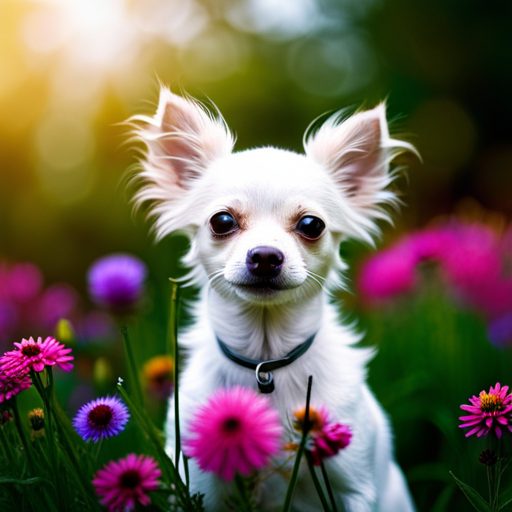
Do you ever wonder how lilac french bulldogs get their unique color? In this article, we will take you on a journey through the fascinating world of lilac french bulldog genetics.
You will discover the origins of this color variation, explore the inheritance patterns behind it, and unravel the genes responsible.
Plus, we'll delve into other exciting color variations in french bulldogs and discuss the growing popularity of lilac french bulldogs.
Get ready to dive into the genetics of these captivating canines!
The Origins of Lilac French Bulldogs
You can learn about the origins of lilac French Bulldogs by studying their genetic makeup. The captivating lilac coat color in French Bulldogs is the result of specific genetic mutations. These mutations affect the production of melanin, the pigment responsible for coat color in dogs. Lilac French Bulldogs have a diluted version of the black coat color gene, resulting in their unique and stunning coloration.
The origins of lilac French Bulldogs can be traced back to the breeding programs focused on color variations. Breeders recognized the appeal of the lilac coat and selectively bred dogs with the desired genetic traits to produce more lilac puppies. Through careful breeding and genetic selection, the lilac color became more prevalent in French Bulldogs.
Genetic mutations play a crucial role in the development of the lilac coat color. These mutations alter the expression of genes involved in pigmentation, leading to the production of a lighter coat with a distinctive lilac hue. The specific genes involved in these mutations are still being studied, but ongoing research provides valuable insights into the origins and inheritance patterns of lilac French Bulldogs.
Understanding the genetic basis of lilac coat color in French Bulldogs not only enhances our knowledge of their origins but also enables breeders to make informed decisions in their breeding programs. By studying the genetic makeup of these unique dogs, we can continue to preserve and promote the captivating lilac coat color for future generations to enjoy.
Understanding the Inheritance Patterns of Lilac Coat Color
To fully comprehend the inheritance patterns of lilac coat color, it's essential for breeders to study the genetic makeup of these unique French Bulldogs. Lilac French Bulldogs possess a captivating coat color that's the result of genetic mutations. These mutations occur in the genes responsible for producing pigment in the hair follicles of the dog.
Understanding the inheritance patterns of lilac coat color begins with recognizing that it's a recessive trait. This means that both parents must carry the lilac gene in order for it to be expressed in their offspring. When two lilac French Bulldogs are bred together, all of their puppies will inherit one copy of the lilac gene from each parent, resulting in a litter of lilac-coated puppies.
However, when a lilac French Bulldog is bred with a dog that doesn't carry the lilac gene, the inheritance pattern becomes more complex. In this scenario, the resulting puppies will inherit one copy of the lilac gene from the lilac parent and one copy of a different color gene from the other parent. This can lead to a variety of coat colors in the offspring, such as blue, chocolate, or fawn.
Studying the inheritance patterns of lilac coat color in French Bulldogs is crucial for breeders who aim to produce and maintain this unique color variation. By understanding how these genetic mutations are passed down from generation to generation, breeders can make informed decisions to ensure the preservation and improvement of the lilac coat color in French Bulldogs.
Unraveling the Genes Behind Lilac French Bulldogs
The article explores how researchers are unraveling the genes behind lilac French Bulldogs, shedding light on the genetic basis of this unique coat color variation. Genetic mutations play a crucial role in defining the coat colors of different dog breeds, and the lilac coat color in French Bulldogs is no exception. Scientists have long been intrigued by this distinct coloration, which ranges from a pale silver-gray to a lavender shade. By studying the genetic makeup of these dogs, researchers have made significant progress in understanding the mechanisms behind this fascinating coat color variation.
Coat color genetics is a complex field, and the lilac color in French Bulldogs is believed to be the result of multiple genetic mutations. These mutations affect the production of pigments, leading to the unique dilution of the coat color. Through careful analysis of DNA samples from lilac French Bulldogs, scientists have identified specific genes that are responsible for this color variation. This breakthrough not only enhances our knowledge of coat color genetics but also provides valuable insights into the overall genetic makeup of this breed.
Unraveling the genes behind lilac French Bulldogs is a significant step forward in understanding the genetic basis of coat color variations. By studying the genetic mutations that give rise to this unique color, researchers aren't only unraveling the mysteries of French Bulldog genetics but also gaining a deeper understanding of the broader field of coat color genetics in dogs.
Exploring Other Color Variations in French Bulldogs
Let's delve into the fascinating world of coat color genetics and explore the various color variations that can be found in French Bulldogs, such as brindle and pied.
French Bulldogs are known for their unique and adorable appearances, and their coat colors play a significant role in their overall charm.
One popular color variation that has gained attention recently is the Blue French Bulldog. These beautiful pups have a diluted coat color that ranges from a light gray to a bluish hue. The Blue French Bulldog is the result of a recessive gene that affects the production of melanin, giving them their distinct coat color.
Another interesting color variation in French Bulldogs is the Merle French Bulldog. Merle refers to a pattern of dark patches on a lighter background, creating a marbled or mottled appearance. While Merle is a common pattern in other dog breeds, it's considered rare in French Bulldogs. The Merle pattern is caused by a dominant gene that affects the distribution and amount of pigment in the coat.
French Bulldogs are truly a fascinating breed when it comes to coat color genetics, and the Blue and Merle variations add to their uniqueness and charm.
The Popularity and Future of Lilac French Bulldogs
If you're wondering about the popularity and future of Lilac French Bulldogs, it's important to consider their unique coat color and how it may influence breed preferences.
Lilac French Bulldogs have recently gained significant attention due to their rare and striking coat color, which ranges from a light silver to a pale lavender hue. This distinct color variation has sparked a surge in the demand for Lilac French Bulldogs, as many dog enthusiasts are captivated by their stunning appearance.
However, it's crucial to address the ethical considerations of breeding Lilac French Bulldogs. The demand for these dogs has led to an increase in breeding practices that prioritize coat color over the overall health and well-being of the breed. Some breeders may resort to unethical practices, such as inbreeding or neglecting proper health testing, in order to produce more Lilac French Bulldogs. This can result in a higher prevalence of genetic health issues within the breed, compromising the overall welfare of these dogs.
As responsible dog owners and enthusiasts, it's essential to prioritize the health and welfare of the breed over its color variation. Breeders should practice responsible breeding techniques, ensuring that all dogs are genetically tested and free from hereditary diseases. By doing so, we can ensure the popularity and future of Lilac French Bulldogs isn't overshadowed by unethical breeding practices, and instead focus on maintaining a healthy and thriving breed.
Frequently Asked Questions
What Are the Common Health Issues Associated With Lilac French Bulldogs?
Lilac French Bulldogs, like any other breed, have their own set of health issues. Understanding the genetics of these dogs is crucial to identifying and addressing potential health concerns.
How Can I Identify a Lilac French Bulldog Puppy?
To identify a lilac French Bulldog puppy, look for a coat color that is a pale, dilute shade of grayish-brown. This color is a result of specific genetics and distinguishes them from other French Bulldog variations.
Are Lilac French Bulldogs More Expensive Than Other Color Variations?
Lilac French Bulldogs can be more expensive than other color variations due to their unique genetics. Factors influencing the price include rarity, demand, breeder reputation, and the dog's overall health and quality.
Can Lilac French Bulldogs Be Shown in Dog Competitions?
Yes, lilac French Bulldogs can be shown in dog competitions. They have great showing potential due to their unique color variation. However, it's important to be aware of potential health concerns that may arise in this breed.
Are There Any Specific Care Requirements for Maintaining the Lilac Coat Color in French Bulldogs?
To maintain the lilac coat color in your French Bulldog, you should follow specific grooming techniques. However, be aware of potential health risks associated with this color variation.
Conclusion
In conclusion, the genetics of lilac French Bulldogs have been decoded, shedding light on their fascinating color variation. By understanding the inheritance patterns and unraveling the genes behind this unique coat color, we can gain insight into the origins of lilac French Bulldogs.
Furthermore, exploring other color variations in French Bulldogs contributes to our knowledge of their genetic diversity. The popularity of lilac French Bulldogs is likely to continue growing, making them a sought-after breed in the future.