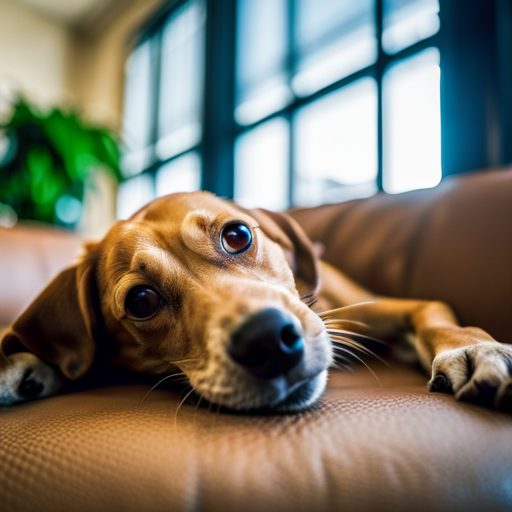
Do you ever wonder why your pug snoozes so peacefully?
In ‘The Art of a Peaceful Slumber: Understanding Your Pug's Sleeping Habits,' we delve into the fascinating world of pug sleep.
Discover the importance of a good night's rest for your furry friend and the factors that influence their sleep patterns.
From their favorite sleeping positions to understanding their dreams and sleep cycles, this article will help you create a relaxing sleep environment for your pug.
The Importance of Sleep for Pugs
You need to understand the importance of sleep for your pug. Just like humans, pugs require quality sleep to maintain their overall health and well-being. One key aspect of their sleep routine is napping.
Pugs are known for their love of napping, and it actually has several benefits for them. Napping allows them to recharge their energy levels, as well as aid in digestion and muscle recovery. It also helps regulate their body temperature, as pugs are prone to overheating. Regular napping can prevent them from becoming overtired and irritable.
In addition to napping, exercise plays a crucial role in pug sleep patterns. Pugs are energetic little dogs that need daily exercise to burn off excess energy. Without adequate exercise, they may struggle to fall asleep or have a restless sleep. Taking your pug for a walk or engaging in play sessions can help tire them out, leading to a more peaceful slumber. However, it's important to note that exercise should be done in moderation, as excessive activity can also lead to overstimulation and interfere with their sleep.
Understanding the importance of sleep, including the benefits of napping and the role of exercise, is essential for ensuring your pug's overall health and happiness. By providing them with a comfortable sleep environment and incorporating regular naps and exercise into their routine, you can help them achieve a peaceful and rejuvenating slumber.
Factors That Influence Pug Sleep Patterns
One of the factors that can influence pug sleep patterns is the amount of exercise they receive during the day. Pugs are known for their adorable snores and lazy naps, but it's important to ensure they're getting enough physical activity. Regular exercise helps them burn off excess energy, leading to a more restful sleep at night.
Another factor that can affect pug sleep patterns is the impact of temperature. Pugs are sensitive to extreme temperatures, both hot and cold. High temperatures can cause discomfort and make it difficult for them to sleep peacefully. On the other hand, cold temperatures can make them shiver and disrupt their sleep as well. It's crucial to provide a comfortable environment for your pug, ensuring that the temperature is moderate and suitable for their needs.
In some cases, pugs may experience sleep disorders. These can include sleep apnea, narcolepsy, or insomnia. Sleep disorders can disrupt their sleep patterns and affect their overall well-being. If you notice any signs of sleep disorders in your pug, such as excessive snoring, sudden sleep attacks, or difficulty falling asleep, it's important to consult with a veterinarian for proper diagnosis and treatment.
Understanding the factors that influence pug sleep patterns is essential for ensuring their health and happiness. By providing them with enough exercise, maintaining a comfortable temperature, and addressing any sleep disorders, you can help your pug enjoy a peaceful and rejuvenating slumber.
Common Sleeping Positions of Pugs
The pug often curls up in a ball, with their tail wrapped around their face, in order to sleep comfortably. However, just like humans, pugs can experience sleep disorders that disrupt their rest. Pug sleep disorders can range from snoring and sleep apnea to insomnia and restless sleep. If your pug is experiencing any of these issues, it's important to consult with a veterinarian to determine the underlying cause and find appropriate solutions.
One effective way to promote better sleep for your pug is through sleep training techniques. Consistency is key when it comes to training your pug to establish healthy sleep habits. Start by creating a designated sleep area for your pug, such as a cozy bed or crate. Make this area comfortable and inviting, ensuring it's free from distractions and noise. Establish a bedtime routine that includes calming activities such as a gentle walk or playtime. This routine will signal to your pug that it's time to wind down and prepare for sleep.
Additionally, consider implementing strategies to reduce anxiety or discomfort that may be affecting your pug's sleep. This can include using calming pheromone sprays, providing a soft blanket or toy for comfort, or adjusting the temperature and lighting in the sleep area.
Understanding Pug Dreams and Sleep Cycles
Have you ever wondered what goes on in your pug's mind during their sleep cycles and dreams? Understanding pug sleep behavior can provide insight into their overall well-being and happiness.
Pugs, like humans, have different sleep stages, including rapid eye movement (REM) sleep, which is associated with dreaming. During REM sleep, pugs may twitch, move their paws, or even make soft noises, indicating that they're actively experiencing dreams. While we can't fully interpret their dreams, it's believed that pugs may dream about familiar activities, such as playing with their favorite toys or chasing squirrels in the park.
However, just like humans, pugs can also experience sleep disturbances. If your pug is having trouble sleeping, there are remedies you can try to help them achieve a peaceful slumber. Creating a calm and comfortable sleep environment is essential. Make sure their sleeping area is quiet, dark, and free from any disturbances. Additionally, establishing a consistent sleep routine can help regulate their sleep patterns. Taking your pug for a walk before bedtime can also help tire them out, leading to a more restful sleep.
Understanding your pug's sleep behavior and providing remedies for any sleep disturbances can contribute to their overall health and happiness. So, next time you see your pug peacefully dreaming, remember that they too have their own little adventures in their minds while they sleep.
Tips for Creating a Relaxing Sleep Environment for Your Pug
To ensure a relaxing sleep environment for your pug, keep their sleeping area quiet and dark, and remove any potential disturbances.
Creating a sleep routine for your furry friend can also help them settle down and get a good night's sleep. Pugs thrive on consistency, so try to establish a regular bedtime and wake-up time. This will help regulate their internal clock and make it easier for them to fall asleep and wake up at the desired times.
Additionally, consider using calming scents to help create a peaceful atmosphere in their sleeping area. Lavender, chamomile, and vanilla are known for their soothing properties and can help promote relaxation. You can use essential oils, sprays, or even scented bedding to infuse the area with these calming scents. However, it's important to remember that not all scents are safe for dogs, so always do your research and consult with a veterinarian before using any products around your pug.
Frequently Asked Questions
What Is the Average Amount of Sleep a Pug Needs in a Day?
You need to establish a bedtime routine for your pug and create a comfortable sleeping environment. As for the average amount of sleep, a pug needs around 12-14 hours of rest per day.
How Can I Tell if My Pug Is Not Getting Enough Sleep?
If your pug isn't getting enough sleep, there are signs of sleep deprivation to look out for. To improve their sleep quality, try creating a quiet and comfortable sleeping environment, establishing a bedtime routine, and ensuring they get enough exercise during the day.
Are There Any Medical Conditions That Can Affect a Pug's Sleep Patterns?
Yes, there are medical conditions that can affect a pug's sleep patterns. Sleep disorders in pugs and sleep deprivation in pugs can be caused by various health issues and should be addressed by a veterinarian.
Can Pugs Experience Nightmares or Night Terrors?
Yes, pugs can experience nightmares or night terrors. There are various potential causes for these, such as stress, anxiety, or a past traumatic experience. It's important to provide a calm and comforting environment for your pug's peaceful slumber.
What Can I Do if My Pug Is Having Trouble Falling Asleep or Staying Asleep?
If your pug is having trouble falling asleep or staying asleep, try using sleep aids like a comfortable bed or calming music, and relaxation techniques such as gentle massage or aromatherapy.
Conclusion
In conclusion, understanding your pug's sleeping habits is crucial for their overall well-being.
By recognizing the importance of sleep for pugs, identifying the factors that influence their sleep patterns, and understanding their common sleeping positions and dreams, you can create a relaxing sleep environment for your furry friend.
Remember, a peaceful slumber is essential for a happy and healthy pug.