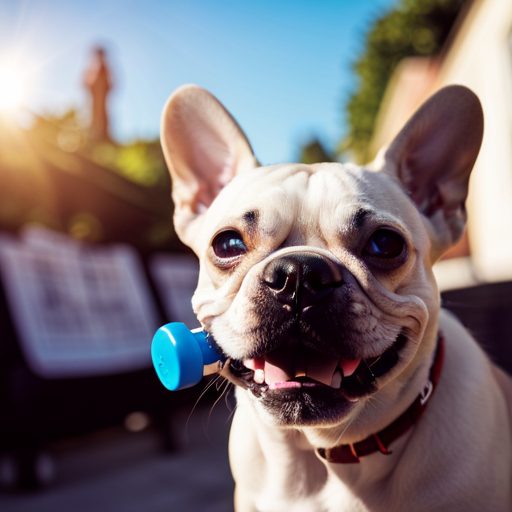
Are you a pug owner concerned about your furry friend's eye problems? Look no further! In this article, we will explore the potential causes and solutions for pugs' eye problems.
From genetic factors to environmental triggers, we will delve into the various factors that can contribute to eye issues in pugs.
With active intervention and preventive measures, you can help keep your pug's eyes healthy and happy.
Let's get started!
Genetic Factors
You should consider whether genetic factors play a role in your pug's eye problems. Genetic testing can provide valuable insights into the underlying causes of eye issues in pugs. Many eye problems in this breed are hereditary conditions, meaning they're passed down from one generation to another through genes.
Genetic testing involves analyzing your pug's DNA to identify any potential gene mutations or abnormalities that could be responsible for their eye problems. By understanding the specific genetic factors at play, you can make more informed decisions regarding their treatment and management.
Identifying genetic factors through testing can also help in breeding programs. By knowing which genes are responsible for certain eye conditions, breeders can make more informed choices to reduce the likelihood of passing on these problems to future generations.
It's important to note that genetic testing isn't a cure-all. While it can provide valuable information, it doesn't guarantee the absence or presence of certain eye conditions. It should be used as a tool in conjunction with regular veterinary care to ensure the overall wellbeing of your pug.
Environmental Triggers
When it comes to pugs' eye problems, environmental triggers can play a significant role. Allergies, for instance, can lead to common eye irritants that can cause discomfort and inflammation.
Pollution and seasonal changes are also harmful environmental factors that can impact the overall health of their eyes.
Allergies: Common Eye Irritants
Exposing your pug to pollen and dust can exacerbate their eye irritation. Environmental allergies can trigger allergic reactions in pugs, causing discomfort and irritation in their eyes. When your pug comes into contact with allergens like pollen and dust, their immune system reacts, releasing histamines that cause itching, redness, and swelling.
It's important to be aware of potential allergens in your pug's environment and take steps to minimize their exposure. Regularly clean and vacuum your home to reduce dust accumulation, keep windows closed during high pollen seasons, and consider using air purifiers to remove allergens from the air.
Additionally, you can consult with your veterinarian to explore possible treatment options such as antihistamines or allergy shots to help alleviate your pug's eye irritation caused by environmental allergies.
Pollution: Harmful Environmental Factors
Breathing in polluted air can contribute to the development of various health problems, including worsening eye irritation caused by environmental triggers. With increasing levels of air pollution, particularly due to industrial emissions, it's crucial to understand the impact it has on our eye health.
The microscopic particles present in polluted air can irritate the delicate tissues of the eyes, leading to redness, itching, and even dryness. Prolonged exposure to air pollution can also increase the risk of developing more serious eye conditions, such as conjunctivitis and cataracts.
To protect your eyes from the harmful effects of air pollution, it's important to wear sunglasses or protective eyewear when outdoors, avoid areas with high levels of air pollution, and regularly cleanse your eyes with clean water.
Prioritizing your eye health in today's polluted environment is essential for maintaining clear and healthy vision.
Seasonal Changes: Impact on Eye Health
You can experience increased eye discomfort and dryness during the winter months due to the lower humidity levels and colder temperatures. The impact of climate on eye health is significant, especially for those who suffer from seasonal allergies. Allergens such as pollen and mold are more common during certain seasons, triggering allergic reactions that can affect the eyes. This can lead to symptoms like itching, redness, and excessive tearing.
In addition, the cold and dry air can cause the eyes to become dry and irritated, making them more susceptible to irritation and inflammation. To alleviate these symptoms, it's important to keep your eyes moisturized by using artificial tears and avoiding rubbing them. Wearing sunglasses can also provide protection from allergens and harsh winds.
It's essential to take care of your eyes during seasonal changes to maintain optimal eye health.
Eye Infections
Have you been experiencing redness, itching, or discharge from your eye?
These could be symptoms of an eye infection, which is a common problem that many people face.
Fortunately, there are various treatment options available to help alleviate the discomfort and resolve the infection.
Common Eye Infections
If your eye becomes red, itchy, or watery, it may be a sign that you have a common eye infection. Eye infections can occur due to various causes, such as bacteria, viruses, allergies, or irritants. The symptoms can range from mild discomfort to severe pain and blurred vision.
To prevent eye infections, it's essential to practice good hygiene, like washing your hands frequently and avoiding touching your eyes with dirty hands. Additionally, avoid sharing personal items like towels or makeup brushes, as this can spread the infection. If you wear contact lenses, make sure to clean and disinfect them properly.
If you suspect an eye infection, seek medical attention promptly. Your eye care professional can provide the appropriate treatment and care to help alleviate your symptoms and prevent complications.
Treatment Options Available
There are several treatment options available for eye infections, including over-the-counter eye drops and prescription medications.
When it comes to treating eye infections, eye drops are often the first line of defense. Over-the-counter eye drops, such as artificial tears, can help relieve symptoms like redness and itching.
However, if the infection is severe or doesn't respond to over-the-counter treatments, your doctor may prescribe stronger medications, such as antibiotics or antiviral drugs.
In some cases, surgical procedures may be necessary to treat the infection. Surgery can be used to remove foreign objects, drain abscesses, or repair damage to the eye.
It's important to consult with your doctor to determine the best treatment option for your specific eye infection.
Allergies and Irritants
You might want to consider avoiding certain allergens and irritants to help alleviate your pug's eye problems. Preventing irritants and managing allergies are crucial in maintaining your pug's eye health. Allergies can cause redness, itching, and discharge in your pug's eyes. By identifying and eliminating potential allergens, you can significantly improve their comfort.
Start by examining your pug's environment. Dust, pollen, and mold are common allergens that can irritate their eyes. Keep their living area clean and free from these irritants. Regularly vacuum and dust, and consider using air purifiers to filter out allergens from the air.
You should also pay attention to potential irritants in your pug's diet. Certain food ingredients can trigger allergic reactions, leading to eye problems. Consult with your veterinarian to identify any potential allergens in your pug's diet, and consider switching to a hypoallergenic or limited ingredient diet.
If your pug's eye problems persist, it's essential to seek veterinary care. Your vet can conduct tests to determine the specific allergens affecting your pug. They may recommend allergy shots or prescribe medications to manage the symptoms.
Breathing Issues and Eye Problems
Make sure to monitor your pug closely for any signs of wheezing or difficulty breathing, as these breathing issues can often be linked to eye problems as well. Pugs are known for their adorable squished faces, but this unique feature can unfortunately lead to respiratory problems. The short snout and narrow nostrils make it harder for them to breathe properly, causing them to wheeze or struggle for air. These breathing issues can also affect their eyes, as the lack of proper oxygen flow can lead to dryness, irritation, and even corneal ulcers.
To help alleviate these problems, breathing exercises can be beneficial for pugs. Regularly engaging your pug in exercises that promote better breathing, such as gentle walks or play sessions, can help strengthen their respiratory system. Additionally, it's important to keep their nose and airways clean to prevent any blockages that may worsen their breathing difficulties.
In some cases, surgical interventions may be necessary to address both breathing and eye problems. Surgical procedures such as widening the nostrils or removing excess tissue in the throat can improve airflow and reduce breathing difficulties. Similarly, surgical interventions can be performed to correct eye issues, including entropion or dry eye syndrome.
Treatment and Prevention Strategies
To effectively manage your pug's eye problems, it's crucial to explore various treatment and prevention strategies. One important aspect of pug eye care is preventing eye infections. Pugs are prone to developing infections due to their prominent eyes and shallow eye sockets. Regularly cleaning your pug's eyes with a veterinarian-recommended eye solution can help remove dirt and debris that can lead to infections. Additionally, avoiding exposure to irritants such as smoke or dusty environments can also reduce the risk of infection.
Another common issue that pugs face is managing seasonal allergies. Allergies can cause redness, itching, and discharge in your pug's eyes. To alleviate these symptoms, your veterinarian may recommend antihistamines or eye drops specifically designed for allergies. It's important to follow the prescribed dosage and monitor your pug for any adverse reactions. Additionally, keeping your pug's environment clean and free from allergens, such as pollen or dust mites, can help prevent allergic reactions. Regularly washing your pug's bedding and vacuuming the house can greatly reduce allergen exposure.
Frequently Asked Questions
Can Pugs With Eye Problems Still Lead a Normal and Active Lifestyle?
Yes, pugs with eye problems can still lead a normal and active lifestyle. By managing their eye problems, you can ensure their quality of life and promote an active lifestyle for them.
Are Pug Eye Problems More Common in Certain Geographic Regions?
Pug eye problems can be more common in certain geographic regions due to various factors like climate, pollution, and breeding practices. Prevalence rates may vary, so it's important to be aware of potential risks.
Can Pugs Outgrow Their Eye Problems as They Get Older?
As you age, pugs may outgrow some of their eye problems. However, it is important to continue monitoring their eye health and seek veterinary care if any issues persist or worsen.
Are There Any Specific Breeds That Pugs Are More Prone to Eye Problems?
Yes, there are specific breeds that pugs are more prone to eye problems. These breeds may have genetic factors that contribute to eye issues. Regular check-ups with a vet can help monitor and address any potential problems.
How Can I Tell if My Pug Is Experiencing Discomfort or Pain Due to an Eye Problem?
If your pug is experiencing discomfort or pain due to an eye problem, look for signs like excessive blinking, redness, discharge, or rubbing of the eyes. Treatment options include medication or surgery, depending on the severity of the issue.
Conclusion
In conclusion, pugs are prone to various eye problems due to genetic factors, environmental triggers, infections, allergies, and breathing issues.
However, there are treatment and prevention strategies available to mitigate these issues.
Regular veterinary check-ups, proper eye care, and avoiding irritants can help improve the overall eye health of pugs.
By being proactive and addressing these concerns, pug owners can ensure their furry friends have healthier and happier eyes.