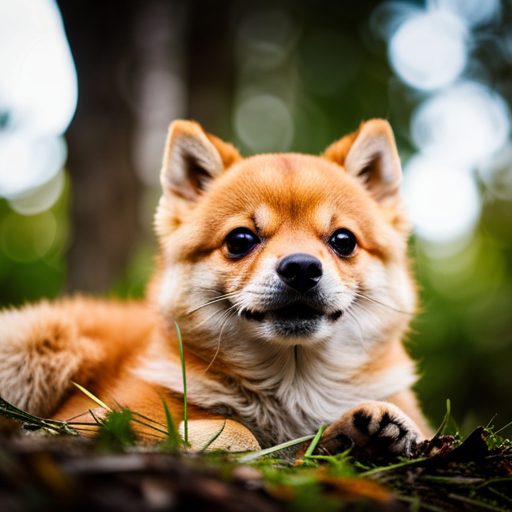
Are you curious about what sets blonde dachshund puppies apart from other varieties? Well, look no further! This article will explore the unique physical characteristics, temperament, health considerations, and training needs of blonde dachshund puppies compared to other dachshund varieties.
Whether you're thinking of adding a furry friend to your family or simply want to learn more about these adorable pups, we've got you covered.
So, let's delve into the world of blonde dachshund puppies and discover what makes them so special!
Physical Characteristics and Coat Color
Do you know that the physical characteristics and coat color of a blonde Dachshund puppy can vary from other Dachshund varieties?
When it comes to coat length, the breed standards for Dachshunds are mainly divided into three categories: smooth, longhaired, and wirehaired. However, the blonde Dachshund stands out because of its unique coat color.
Typically, Dachshunds have short legs, long bodies, and an elongated head. This applies to all Dachshund varieties, including the blonde ones. However, what makes the blonde Dachshund different is its coat color. While most Dachshunds come in shades of red, black, and tan, the blonde variety has a golden or cream-colored coat. This gives them a distinct appearance that sets them apart from other Dachshund varieties.
In terms of coat length, blonde Dachshunds can have either smooth or longhaired coats. The smooth-coated blonde Dachshunds have short, dense fur that lies close to their bodies. On the other hand, the longhaired blonde Dachshunds have longer and silkier fur that forms tufts on their ears, chest, and tail. Both coat lengths have their own unique charm and require regular grooming to maintain their appearance.
Temperament and Personality Traits
Your blonde Dachshund's temperament and personality traits, as well as those of other Dachshund varieties, can greatly vary. When it comes to temperament, Dachshunds are known for being lively, courageous, and sometimes even stubborn. They're a breed that loves to be the center of attention and can be quite vocal. However, each Dachshund variety may have its own unique temperament traits.
In terms of breed compatibility, Dachshunds generally get along well with other dogs, but may not be the best fit for households with small children or other small pets. Their hunting instincts can sometimes lead to chasing behaviors, which may not be suitable in certain situations.
When it comes to behavior and exercise requirements, Dachshunds are active dogs that require regular exercise to keep them happy and healthy. They've a lot of energy and love to explore their surroundings. Daily walks and playtime are essential for their mental and physical well-being.
It's important to note that each Dachshund, regardless of its variety, will have its own unique personality and temperament. It's crucial to spend time getting to know your Dachshund and understanding its individual needs and preferences. This will help you create a harmonious and fulfilling relationship with your furry friend.
Health Considerations and Potential Issues
In regards to health considerations and potential issues, it's important to be aware of common health problems that can affect Dachshunds. These adorable little dogs have a unique body shape that can make them more susceptible to certain health concerns.
One of the main issues that Dachshunds face is their long spine, which puts them at a higher risk for intervertebral disc disease. This condition can cause pain, paralysis, and even require surgery.
Additionally, Dachshunds are prone to obesity, which can lead to a range of other health problems such as diabetes and heart disease. It's crucial to monitor their diet and provide regular exercise to keep them at a healthy weight.
Speaking of exercise requirements, Dachshunds have moderate exercise needs. While they may not require long runs or intense workouts, they still need daily walks and playtime to keep them mentally and physically stimulated. Regular exercise can also help prevent weight gain and keep their muscles strong.
Training and Socialization Needs
If you want your Dachshund to be well-behaved and sociable, it's important to prioritize their training and socialization needs. Dachshunds are intelligent dogs, but they can also be stubborn, so using effective training techniques is crucial.
Positive reinforcement, such as treats and praise, works well with these dogs. Consistency and patience are key.
Socialization is equally important to ensure that your Dachshund is comfortable around other dogs and people. Early exposure to different environments, sounds, and experiences will help them become more confident and well-adjusted.
Taking your Dachshund to puppy classes or arranging playdates with other well-behaved dogs can be effective socialization methods. It's important to remember that Dachshunds have a strong prey drive, so proper socialization can help prevent aggressive behavior towards other animals.
Additionally, teaching your Dachshund basic obedience commands like sit, stay, and come can help keep them safe in various situations.
Training and socialization go hand in hand when it comes to raising a well-rounded and happy Dachshund.
Choosing the Right Dachshund Variety for You
When considering a Dachshund variety, it's important to understand the differences and characteristics of each type. One popular variety is the Blonde Dachshund, known for its unique coat color. These adorable pups have a golden or cream-colored coat, which sets them apart from other Dachshund varieties. However, it's essential to note that the differences between Dachshund varieties go beyond just their coat color.
In terms of breed characteristics, Dachshunds are known for their lively and courageous nature. They're often described as spirited and independent dogs. This holds true for all Dachshund varieties, including the Blonde Dachshund. They're playful and love to explore their surroundings. Additionally, Dachshunds are known for their excellent sense of smell, making them great hunting companions.
When it comes to grooming needs, the Blonde Dachshund requires regular brushing to maintain their beautiful coat. Their short hair is relatively easy to manage, but brushing helps to remove loose hair and prevent matting. It's also important to regularly check their ears for any signs of infection and maintain good dental hygiene.
Frequently Asked Questions
How Do I Groom a Blonde Dachshund Puppy Compared to Other Dachshund Varieties?
To groom a blonde Dachshund puppy compared to other varieties, start by brushing their coat regularly to prevent matting. Use a mild shampoo and conditioner specifically for their fur color. Pay attention to their long ears and trim their nails regularly.
Are There Any Specific Health Concerns That Are More Common in Blonde Dachshund Puppies Compared to Other Varieties?
Blonde dachshund puppies may have some common health concerns compared to other varieties. Grooming differences may also exist. However, it's important to consult a veterinarian for specific information about your blonde dachshund puppy's health and care.
Can the Temperament and Personality Traits of a Blonde Dachshund Puppy Differ From Other Dachshund Varieties?
Blonde dachshund puppy temperament can differ from other dachshund varieties. To socialize your puppy, expose them to different people, places, and experiences. This will help shape their personality and ensure they become well-rounded adults.
What Are the Specific Training Challenges That May Arise When Raising a Blonde Dachshund Puppy Compared to Other Varieties?
When raising a blonde Dachshund puppy, you may encounter specific training challenges. These can include differences in grooming compared to other varieties. It's important to be prepared for these unique aspects of raising a blonde Dachshund.
Are There Any Unique Socialization Needs That Blonde Dachshund Puppies Have Compared to Other Dachshund Varieties?
When socializing a blonde Dachshund puppy, focus on their unique needs. They may exhibit different behaviors compared to other varieties. Proper socialization will help them develop into well-rounded and confident dogs.
Conclusion
In conclusion, when it comes to choosing a dachshund variety, the blonde dachshund puppy stands out with its unique physical characteristics and coat color. Along with its charming appearance, it also possesses distinct temperament and personality traits.
However, it's essential to consider the health considerations and potential issues that may arise with any dachshund variety. Training and socialization needs should also be taken into account.
Ultimately, selecting the right dachshund variety for you requires careful consideration of these factors.