
Introduction
Overview of Miniature Poodles
Miniature Poodles are a popular breed of dog known for their intelligence, agility, and friendly nature. They are small in size but have a big personality. These dogs are highly trainable and excel in various activities such as obedience, agility, and therapy work. Miniature Poodles have a distinctive curly coat that requires regular grooming to keep it in good condition. They are a great choice for individuals and families looking for a loyal and affectionate companion.
Importance of Training
Training is crucial for the development and well-being of a miniature poodle. It not only helps them learn basic commands and tricks but also ensures their safety and the safety of others. A well-trained poodle is more obedient, sociable, and less likely to engage in destructive behaviors. Additionally, training provides mental stimulation and helps prevent boredom, which can lead to anxiety and behavioral issues. By investing time and effort into training, poodle owners can establish a strong bond with their furry companions and create a harmonious living environment.
Benefits of Training a Miniature Poodle
Training a Miniature Poodle can have numerous benefits for both the dog and the owner. One of the main advantages is that it helps to establish a strong bond between the poodle and its owner. Through training, the owner can communicate effectively with their poodle, leading to better understanding and cooperation. Additionally, training provides mental stimulation for the poodle, keeping them engaged and preventing boredom. This can result in a happier and more well-behaved pet. Another benefit of training a Miniature Poodle is that it promotes good behavior and obedience. With consistent training, poodles can learn important commands and manners, making them easier to handle in various situations. Finally, training can also enhance the safety of the poodle and those around them. A well-trained poodle is less likely to engage in dangerous behaviors or run away, reducing the risk of accidents or injuries.
Choosing the Right Training Method
Positive Reinforcement
Positive reinforcement is a highly effective training method for miniature poodles. This approach focuses on rewarding desired behaviors rather than punishing unwanted ones. By using positive reinforcement, owners can create a positive and enjoyable learning environment for their poodles. This method involves providing treats, praise, and affection whenever the poodle exhibits the desired behavior. For example, if the poodle successfully follows a command, such as sitting or staying, the owner can reward them with a tasty treat and words of encouragement. This positive feedback helps the poodle understand that they are doing something right and encourages them to repeat the behavior. It is important to note that positive reinforcement should be used consistently and immediately after the desired behavior is exhibited. This helps the poodle make the connection between the behavior and the reward. Overall, positive reinforcement is a gentle and effective way to train miniature poodles, promoting their confidence, trust, and willingness to learn.
Clicker Training
Clicker training is a highly effective method for training miniature poodles. By using a clicker, a small handheld device that makes a distinct clicking sound, trainers can communicate with their dogs in a clear and consistent manner. This positive reinforcement technique involves associating the click sound with a reward, such as a treat or praise, to reinforce desired behaviors. Miniature poodles are intelligent and eager to learn, making them ideal candidates for clicker training. With consistent practice and patience, owners can teach their miniature poodles a wide range of commands and tricks using this method.
Reward-Based Training
Reward-based training is a highly effective method for training miniature poodles. This approach focuses on positive reinforcement, using rewards such as treats, praise, and play to encourage desired behaviors. By using rewards, trainers can motivate their poodles to learn and perform commands willingly. This method also helps to build a strong bond between the trainer and the dog, as it creates a positive and enjoyable training experience. Additionally, reward-based training promotes the poodle's confidence and self-esteem, as they are constantly being praised and rewarded for their efforts. It is important to note that consistency and patience are key when implementing this training method, as it may take time for the poodle to fully understand and respond to the rewards. Overall, reward-based training is a recommended approach for training miniature poodles due to its effectiveness and positive impact on the dog's well-being.
Basic Commands
Sit
Training a Miniature Poodle to sit is an essential command that every owner should teach their dog. By teaching your poodle to sit, you establish control and obedience. This command is also helpful in various situations, such as when you need your poodle to stay still or when you want to prevent them from jumping on people. To train your poodle to sit, start by holding a treat close to their nose and slowly move it upwards. As their head follows the treat, their bottom will naturally lower to the ground. Once they are in a sitting position, say the word ‘sit' and give them the treat as a reward. Repeat this process several times until your poodle understands the command. Remember to be patient and consistent in your training sessions, and always reward your poodle for their successful sits.
Stay
Training a Miniature Poodle to stay is an essential command that every owner should teach their dog. The stay command is used to keep the dog in one place until released. It is important for the safety of the dog and others around them. When teaching the stay command, it is crucial to start in a low-distraction environment and gradually increase the level of distractions. During the training process, it is recommended to use positive reinforcement techniques such as treats and praise. Consistency and patience are key when training a Miniature Poodle to stay.
Come
Training the ‘Come' command is essential for the safety and well-being of your Miniature Poodle. This command teaches your dog to come to you when called, regardless of distractions or distance. To start training, choose a quiet and secure area where your dog can focus. Begin by saying your dog's name followed by the command ‘Come' in a clear and firm voice. Use a treat or a favorite toy as a reward to motivate your dog. When your dog starts moving towards you, praise and reward them. Gradually increase the distance between you and your dog to challenge their recall ability. Practice the ‘Come' command regularly in different environments and gradually introduce distractions. Consistency, positive reinforcement, and patience are key to successfully training your Miniature Poodle to come when called.
House Training
Establishing a Routine
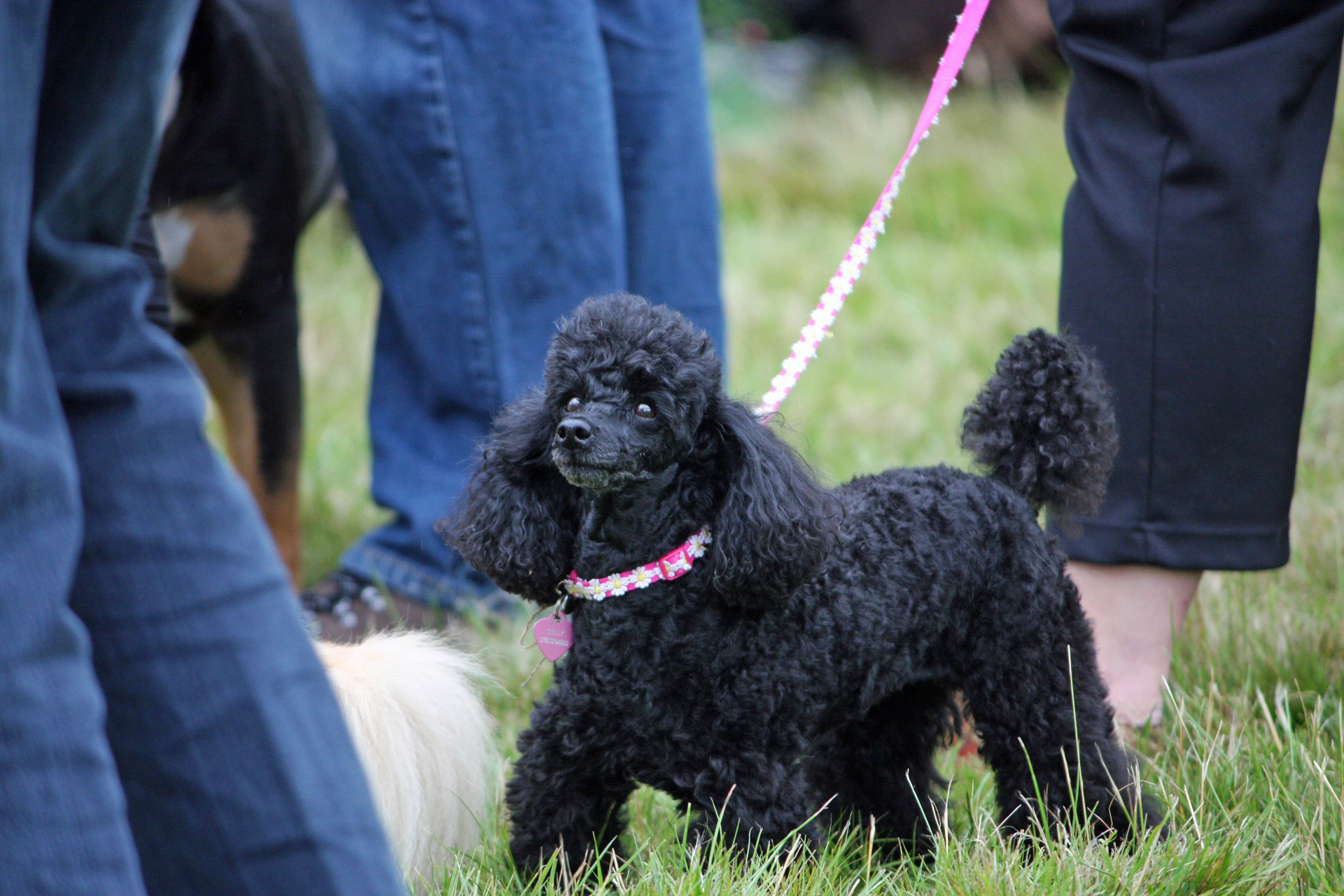
Establishing a routine is crucial when training a miniature poodle. Consistency is key in order to establish good habits and reinforce positive behavior. By following a regular schedule, such as feeding and walking the poodle at the same times each day, the dog will learn what is expected of them and feel more secure. It is also important to provide mental stimulation through activities like puzzle toys and obedience training. These activities not only keep the poodle engaged but also help prevent boredom and destructive behavior. Overall, a well-established routine is essential for successful training and a happy, well-behaved miniature poodle.
Crate Training
Crate training is an essential aspect of training a miniature poodle. It provides a safe and comfortable space for the dog and helps with house training and preventing destructive behavior. When crate training a miniature poodle, it is important to choose the right size crate that allows the dog to stand up, turn around, and lie down comfortably. Introduce the crate gradually and make it a positive and enjoyable experience for your poodle by using treats and praise. Use the crate for short periods initially and gradually increase the duration as your poodle becomes more comfortable. Remember to never use the crate as a form of punishment, as it should be a positive and relaxing space for your dog. With consistent and positive crate training, your miniature poodle will learn to view the crate as its own safe haven.
Potty Training Tips
Potty training is an essential aspect of owning a miniature poodle. It requires patience, consistency, and positive reinforcement. Here are some helpful tips to make the potty training process easier for both you and your furry friend. First, establish a designated potty area in your home or yard. This will help your poodle understand where they should go to relieve themselves. Next, establish a consistent schedule for potty breaks. Take your poodle outside at regular intervals, such as after meals, naps, and playtime. When your poodle successfully goes potty outside, be sure to praise and reward them with treats or verbal praise. Additionally, it's important to be patient and understanding during the potty training process. Accidents may happen, but it's crucial not to punish or scold your poodle. Instead, clean up any accidents with an enzymatic cleaner to remove the scent and prevent future accidents in the same spot. With time and consistency, your miniature poodle will learn to become fully potty trained.
Socialization and Obedience Training
Exposing Your Poodle to Different Environments
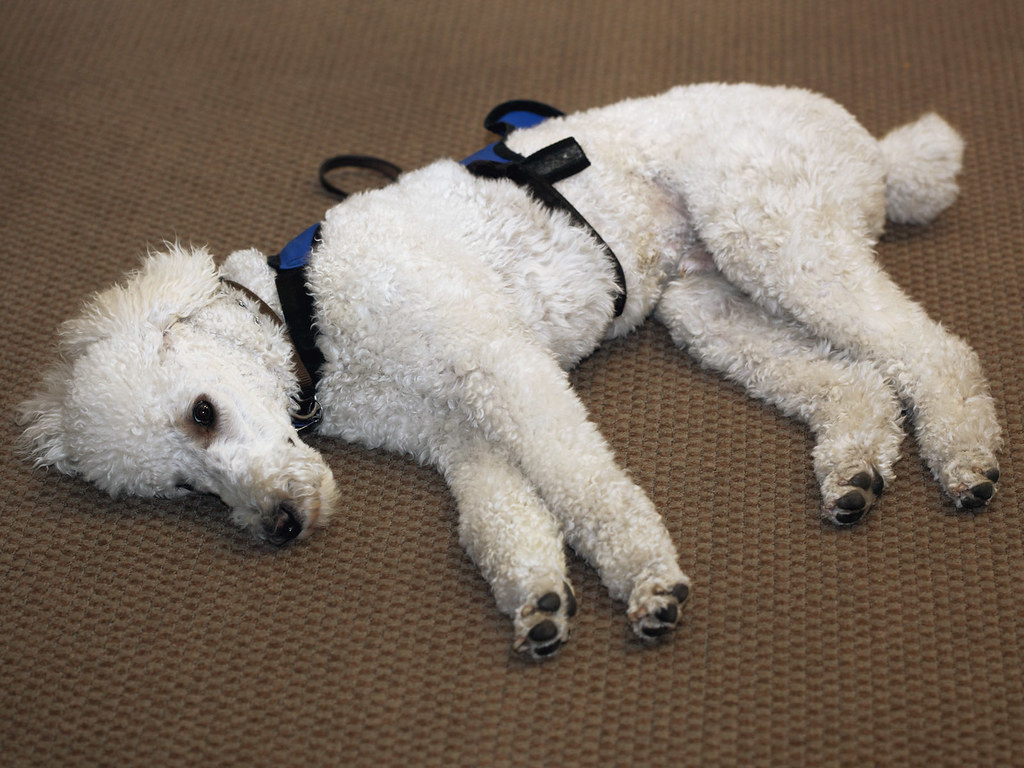
Exposing your poodle to different environments is crucial for their overall development and well-being. By introducing your poodle to various settings, such as parks, beaches, and busy city streets, you are helping them become more adaptable and confident in different situations. This exposure also helps to prevent anxiety and fearfulness in your poodle, as they learn to navigate new surroundings with ease. Additionally, exposing your poodle to different environments allows them to socialize with other dogs and people, promoting positive interactions and strengthening their social skills. It is important to remember that when exposing your poodle to new environments, you should always prioritize their safety and comfort. Gradually introduce them to new places, providing positive reinforcement and rewards to encourage positive associations. With consistent exposure and positive experiences, your poodle will become a well-rounded and resilient companion.
Teaching Good Behavior Around People and Other Animals
Teaching good behavior around people and other animals is crucial for a well-trained miniature poodle. Socialization is key to ensuring that your poodle is comfortable and well-behaved in various situations. Start by introducing your poodle to different people, including children, adults, and seniors. Encourage positive interactions and reward good behavior with treats or praise. It is also important to expose your poodle to other animals, such as dogs and cats, in a controlled and supervised environment. This will help your poodle learn how to interact appropriately and avoid aggressive or fearful behavior. Consistency and patience are essential when teaching good behavior, as it may take time for your poodle to adjust and learn. Remember to always reinforce positive behavior and provide a safe and positive environment for your poodle to thrive.
Training for Leash Walking
Training for leash walking is an essential aspect of owning a miniature poodle. It not only ensures the safety of both the dog and the owner but also promotes good behavior and obedience. The key to successful leash training is consistency and positive reinforcement. Start by introducing the poodle to the leash and collar gradually, allowing them to get used to the feeling. Use treats and praise to reward them for walking calmly beside you. It is important to avoid pulling on the leash or allowing the dog to pull ahead. Instead, encourage them to stay by your side through gentle guidance and redirection. Regular practice and patience are crucial in teaching your miniature poodle to walk on a leash with confidence and control.
Advanced Training Techniques
Trick Training
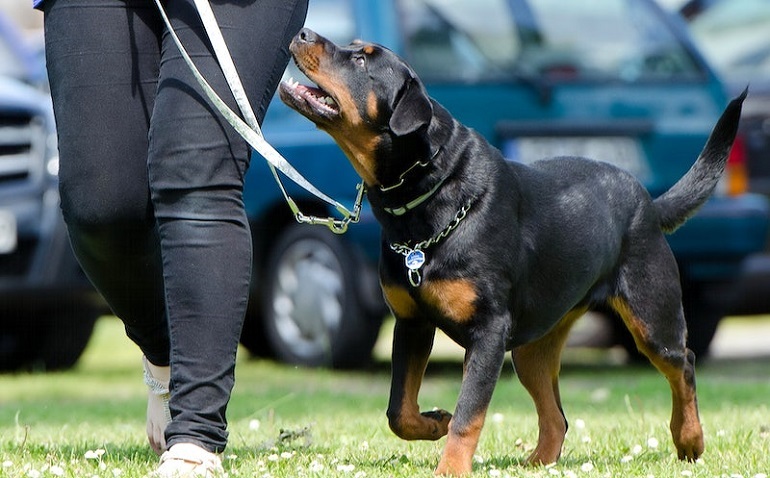
Trick training is an essential part of the overall training process for a miniature poodle. Not only does it provide mental stimulation and entertainment for the dog, but it also helps strengthen the bond between the owner and the pet. A well-trained poodle can impress friends and family with their repertoire of tricks, showcasing their intelligence and eagerness to learn. When it comes to trick training, consistency and positive reinforcement are key. By breaking down each trick into smaller steps and rewarding the poodle for successful attempts, the training process becomes more manageable and enjoyable for both the owner and the dog.
Agility Training
Agility training is an essential aspect of training a miniature poodle. It helps to improve their physical fitness, mental stimulation, and overall coordination. By engaging in agility training, poodles can develop their natural athleticism and instinctual abilities. This type of training involves teaching them to navigate through various obstacles such as jumps, tunnels, weave poles, and A-frames. It requires a combination of focus, speed, and precision. Poodles excel in agility training due to their intelligence, agility, and eagerness to please their owners. With consistent practice and positive reinforcement, poodles can become skilled agility competitors, showcasing their grace and agility on the course.
Scent Detection Training
Scent detection training is a crucial aspect of training a miniature poodle. This training helps tap into the poodle's natural instincts and abilities to detect scents. By teaching the poodle to use its nose effectively, it can become a skilled scent detection dog. The key to successful scent detection training is to start with basic obedience training and gradually introduce scent-specific exercises. During training, it is important to reward the poodle for correctly identifying scents and to provide consistent and positive reinforcement. With patience and consistency, a miniature poodle can excel in scent detection and become a valuable asset in various fields such as search and rescue, narcotics detection, and even medical detection.


