
Overview
Introduction to Toy Poodle breed
The Toy Poodle breed is a popular choice for many dog lovers. They are known for their small size, intelligence, and playful nature. If you are considering getting a Toy Poodle as a pet, it is important to understand the breed standards. Toy Poodles have specific characteristics that set them apart from other dog breeds. They have a distinct appearance with a curly, hypoallergenic coat and a well-proportioned body. This breed is highly adaptable and can thrive in various living environments, making them suitable for both apartments and houses. Toy Poodles are also known for their friendly and affectionate nature, making them great companions for individuals and families alike. Before deciding if a Toy Poodle is right for you, it is essential to research and understand the breed standards to ensure that you can provide the necessary care and meet their specific needs.
History of Toy Poodle breed
The Toy Poodle breed has a rich history that dates back several centuries. Originally bred in France as a companion dog for nobility, the Toy Poodle quickly gained popularity across Europe. These small-sized dogs were highly valued for their intelligence, agility, and elegant appearance. Over time, Toy Poodles were also used for various purposes such as circus performers and truffle hunters. Today, they are primarily known for their charming personality and hypoallergenic coat. One of the key differences between Toy Poodles and other Poodle varieties is their size. Toy Poodles are the smallest of the Poodle breeds, weighing between 4 and 6 pounds. Despite their small stature, they possess all the traits of a standard Poodle, including their curly, dense coat. The history of the Toy Poodle breed is a testament to their enduring popularity and adaptability.
Importance of breed standards
Breed standards play a crucial role in maintaining the integrity and quality of dog breeds. They serve as a blueprint for breeders and judges to ensure that each dog adheres to the established characteristics and traits of its breed. The importance of breed standards cannot be overstated, especially for dog lovers. These standards provide a reference point for breed enthusiasts, allowing them to understand and appreciate the unique qualities of different breeds. By adhering to breed standards, breeders can preserve the breed's distinctive features and prevent the dilution of its genetic heritage. Dog lovers can rely on breed standards to make informed decisions when choosing a new furry friend, ensuring they find a dog that meets their specific preferences and lifestyle. Breed standards also contribute to the overall health and well-being of dog breeds, as they help identify potential health issues and promote responsible breeding practices. In conclusion, breed standards are essential for dog lovers as they ensure the preservation, understanding, and appreciation of different dog breeds.
Physical Characteristics
Size and weight
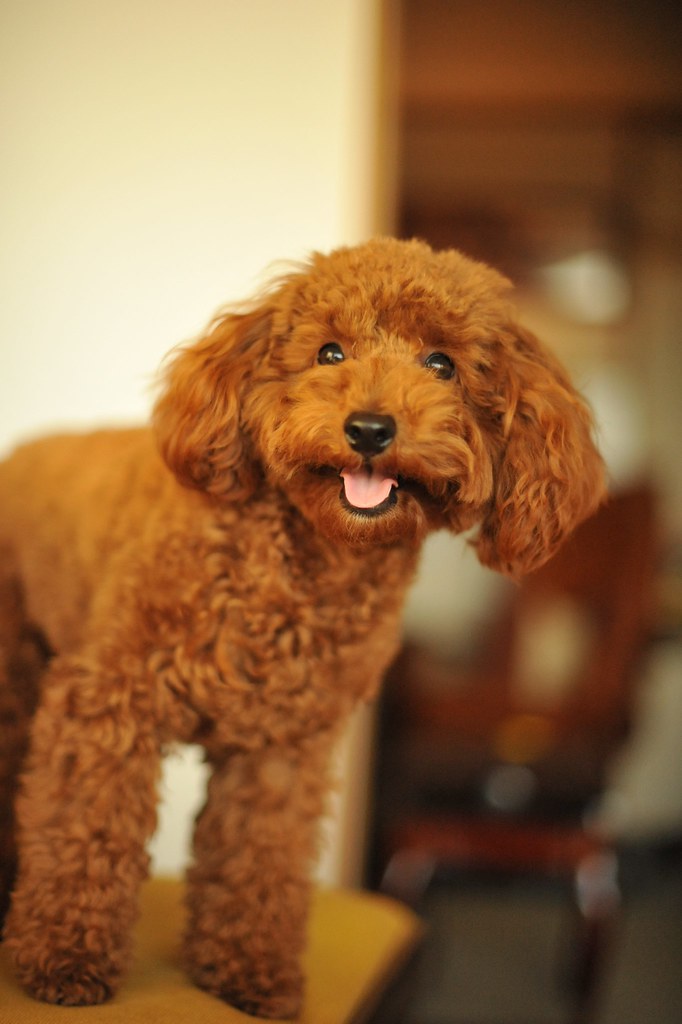
The Toy Poodle breed standards specify the size and weight requirements for this breed. According to these standards, Toy Poodles should ideally measure between 10 and 11 inches at the shoulder. They should weigh between 4 and 6 pounds. These size and weight requirements ensure that Toy Poodles are small and lightweight, making them suitable for apartment living and easy to transport. The small size also contributes to their adorable appearance, with their compact bodies and elegant proportions. Toy Poodles that fall outside of these size and weight ranges may not meet the breed standards and may be disqualified from conformation shows.
Coat and color
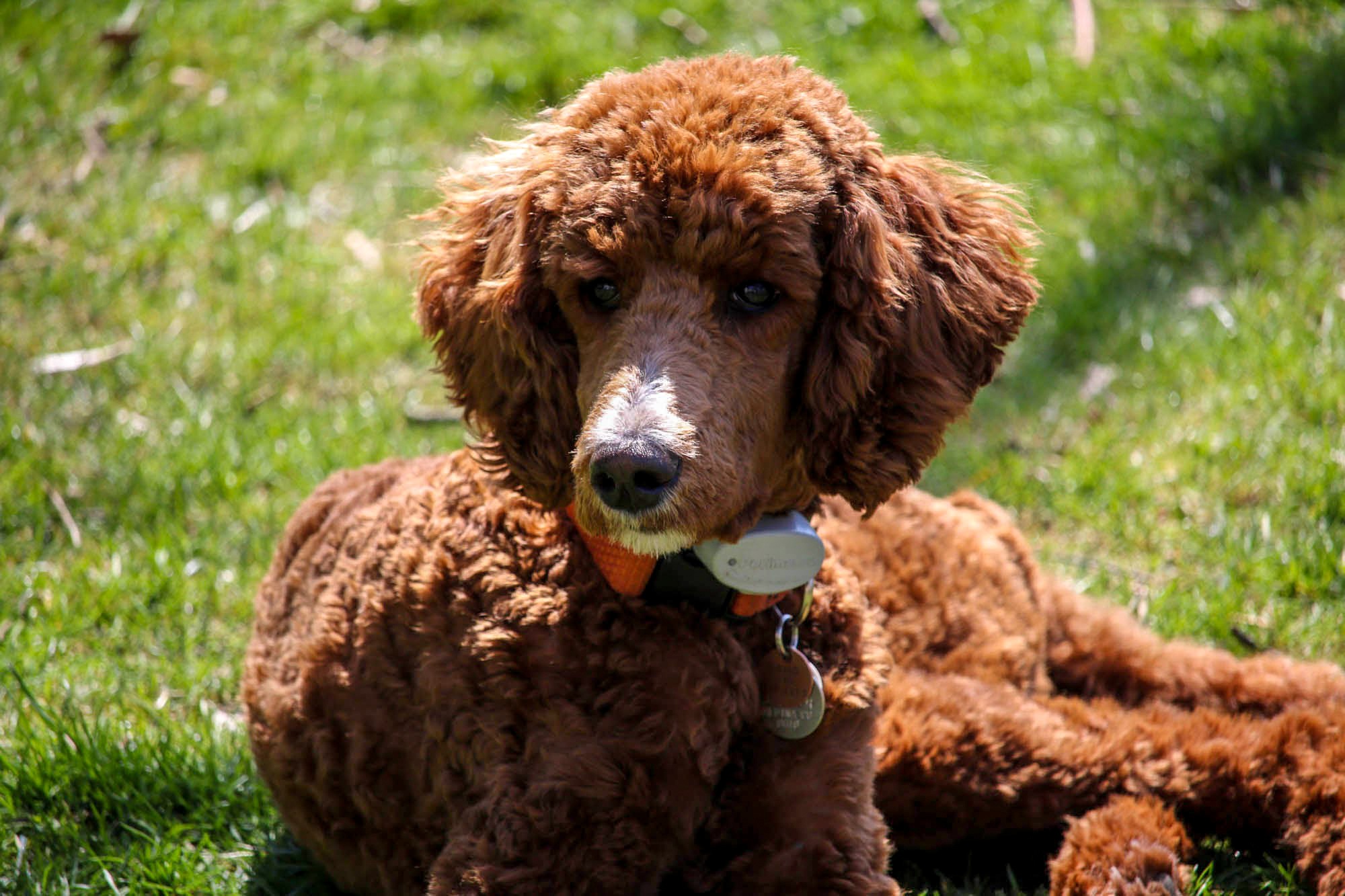
The Toy Poodle breed is known for its luxurious coat and variety of colors. The coat is dense, curly, and hypoallergenic, making it suitable for individuals with allergies. The breed standard recognizes various colors including black, white, brown, gray, apricot, and red. The coat requires regular grooming to prevent matting and to maintain its lustrous appearance. Toy Poodles are often seen in dog shows with elaborate grooming styles, showcasing the versatility of their coat. When it comes to coat and color, the Toy Poodle is truly a standout breed.
Facial features
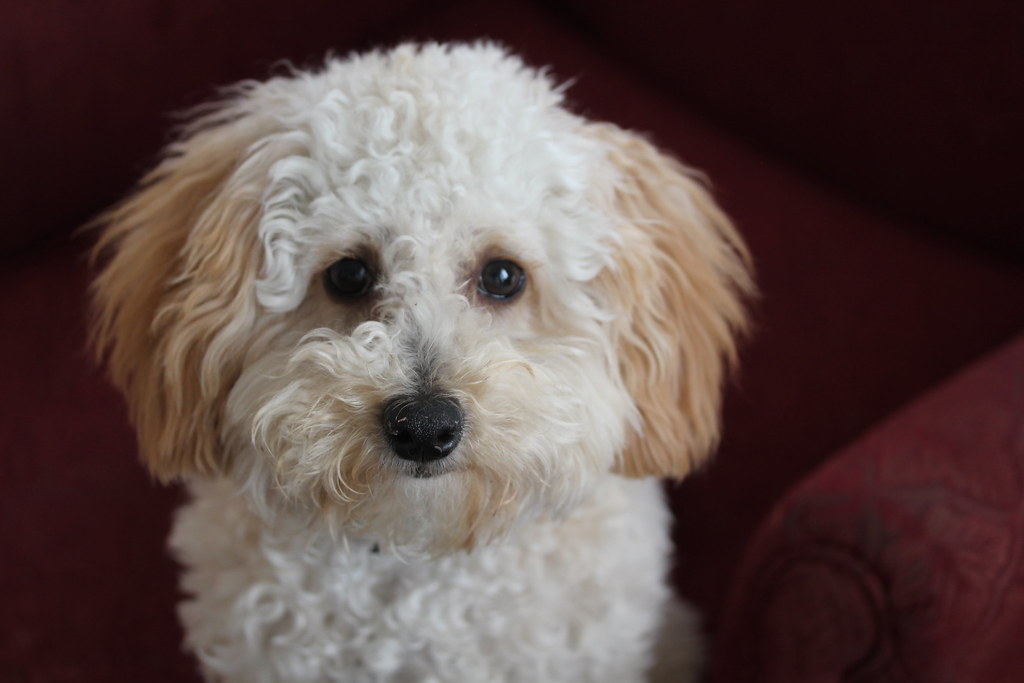
The facial features of the Toy Poodle are one of its defining characteristics. With their expressive eyes and alert expression, Toy Poodles have a charming and intelligent look. Their eyes are round, dark, and set well apart. The ears are long and hang close to the head, framing the face beautifully. The nose is black and well-defined. The muzzle is long and straight, giving the Toy Poodle a refined and elegant appearance. Overall, the facial features of the Toy Poodle contribute to its adorable and captivating look.
Temperament and Personality
Intelligence and trainability
The intelligence and trainability of the Toy Poodle breed are essential characteristics that make them highly sought after as companion dogs. Toy Poodles are known for their quick wit and ability to learn new commands and tricks easily. They are highly trainable and excel in obedience training. This breed is eager to please their owners and thrives on positive reinforcement. Toy Poodles have a natural intelligence that allows them to understand complex tasks and problem-solving challenges. Their intelligence combined with their small size makes them adaptable to various living situations, including apartments and houses with small yards. Toy Poodles are also highly adaptable to different lifestyles, whether it be an active family or a single individual. Overall, the intelligence and trainability of the Toy Poodle breed make them an ideal choice for those looking for a highly intelligent and trainable companion dog.
Socialization and interaction
Socialization and interaction are crucial aspects of raising a Toy Poodle. These intelligent and sociable dogs thrive on human companionship and need plenty of opportunities to interact with people and other animals. The early socialization of a Toy Poodle puppy is essential to ensure that they grow up to be well-adjusted and confident adults. It is important to expose them to a variety of environments, sounds, and experiences from an early age. This helps them develop a positive outlook towards new situations and prevents them from becoming fearful or anxious. Regular socialization also helps in shaping their behavior and temperament, making them more adaptable and friendly towards strangers and other pets. Toy Poodles are known for their friendly and outgoing nature, and proper socialization plays a vital role in nurturing these traits.
Energy level and exercise needs
The Toy Poodle breed is known for its high energy level and exercise needs. This small but active breed requires regular physical activity to keep them happy and healthy. Toy Poodles are not couch potatoes and thrive in an environment where they can engage in daily exercise. They enjoy activities such as brisk walks, playtime in the yard, and interactive games. It is important to provide them with mental stimulation as well, through puzzle toys and training sessions. Regular exercise helps prevent behavioral issues and promotes overall well-being in Toy Poodles.
Health and Care
Common health issues
The Toy Poodle breed is generally a healthy and robust breed. However, like all dog breeds, they are prone to certain health issues. It is important for potential owners to be aware of these common health problems in order to provide the best care for their Toy Poodle. One common health issue that Toy Poodles may experience is patellar luxation, which is the dislocation of the kneecap. Another health concern is progressive retinal atrophy (PRA), a degenerative eye disease that can lead to blindness. Toy Poodles are also susceptible to dental problems such as periodontal disease and tooth decay. Regular dental care is essential to maintain their oral health. Additionally, Toy Poodles may be prone to allergies and skin conditions. It is important to provide a balanced diet and proper grooming to prevent these issues. By being aware of these common health issues and taking proactive measures, owners can ensure the well-being and longevity of their Toy Poodle.
Grooming requirements
The Toy Poodle breed has specific grooming requirements that owners need to be aware of. Regular grooming is essential to keep their coat in good condition and prevent matting. Toy Poodles have a dense, curly coat that requires daily brushing to prevent tangles and mats from forming. They also need regular haircuts to maintain the desired breed standard appearance. In addition to brushing and haircuts, Toy Poodles also require regular bathing to keep their coat clean and free from dirt and debris. It is important to use a gentle shampoo specifically formulated for dogs to avoid skin irritation. Australian Cattle Dogs are known for their short, dense coat that is weather-resistant and low maintenance. They require minimal grooming compared to Toy Poodles. However, regular brushing is still necessary to remove loose hair and keep their coat healthy. Overall, grooming requirements for Toy Poodles are more intensive than those for Australian Cattle Dogs.
Nutrition and feeding
Nutrition plays a crucial role in the overall health and well-being of Toy Poodles. These intelligent dogs require a balanced and nutritious diet to support their active lifestyle and maintain optimal cognitive function. It is important to provide them with high-quality dog food that is specifically formulated for small breeds. Toy Poodles have a fast metabolism and may require smaller, more frequent meals to prevent hypoglycemia. Additionally, it is essential to monitor their calorie intake to prevent obesity, as excess weight can lead to various health issues. Regular veterinary check-ups can help ensure that the Toy Poodle's nutritional needs are being met and any dietary adjustments can be made as necessary.
Training and Obedience
Basic obedience commands
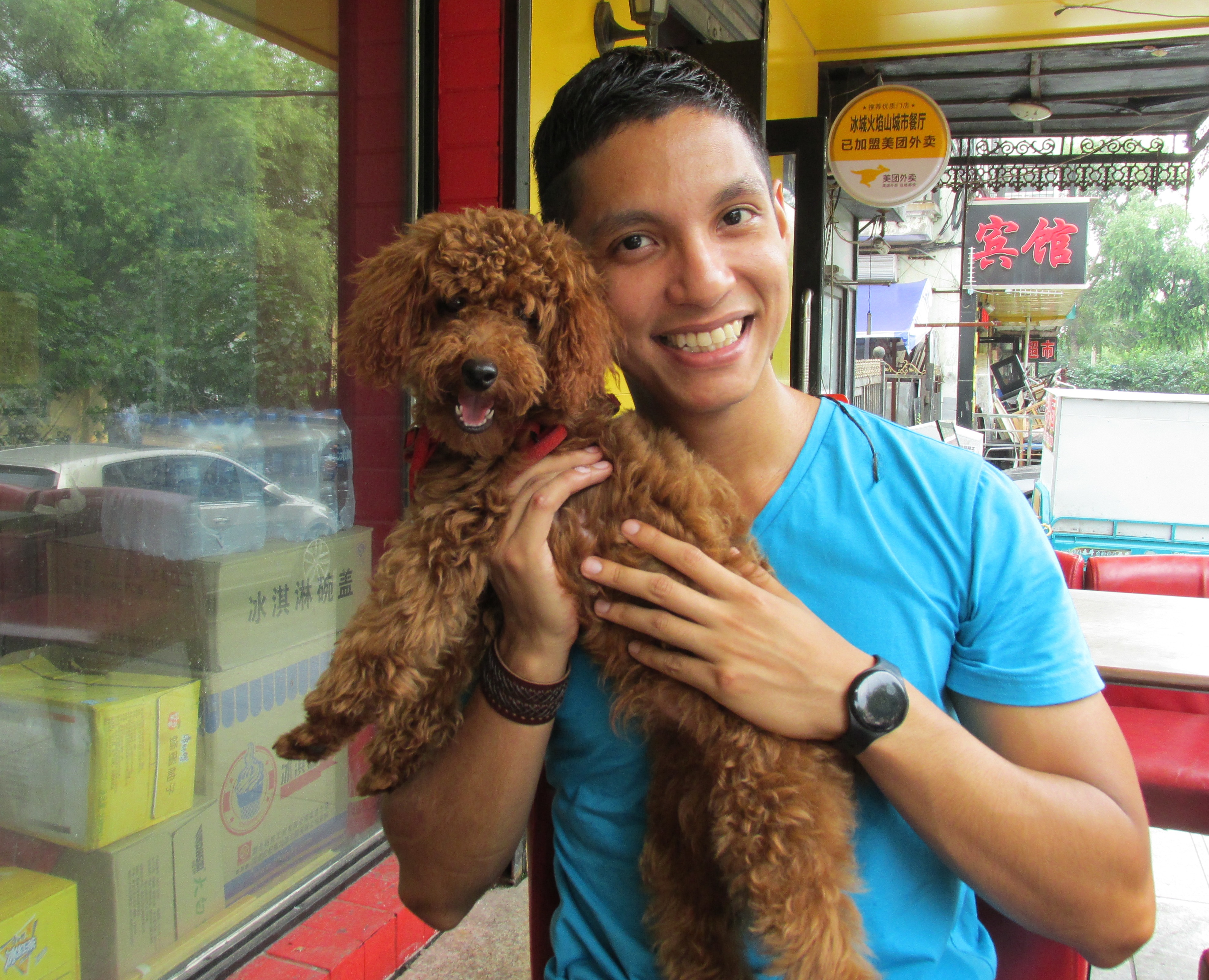
The Toy Poodle is a highly intelligent and trainable breed. They excel in basic obedience commands and are quick learners. With their small size and playful nature, they are often mistaken for a miniature Poodle. However, it is important to note that the Toy Poodle is a distinct breed with its own set of breed standards and characteristics.
House training
House training is an essential aspect of owning a Toy Poodle. This process involves teaching the dog to eliminate waste outside the house and to use a designated area for this purpose. Consistency and patience are key when it comes to house training a Toy Poodle. It is important to establish a routine and take the dog outside regularly, especially after meals and naps. Rewarding the dog with praise and treats for successfully eliminating outside can help reinforce the desired behavior. Additionally, it is important to clean up accidents promptly and avoid punishing the dog for accidents as this can create fear and anxiety. With proper training and positive reinforcement, Toy Poodles can become well-behaved and house-trained pets.
Behavioral training
Behavioral training is crucial for Toy Poodles to ensure they develop into well-behaved and obedient companions. These intelligent and eager-to-please dogs thrive with positive reinforcement methods that focus on rewards and praise. Consistency and patience are key when training Toy Poodles, as they can be sensitive and may become anxious if faced with harsh or negative training techniques. It is important to establish clear boundaries and rules from a young age, as Toy Poodles have a tendency to become spoiled if not properly trained. By providing them with consistent training and socialization, Toy Poodles can become well-mannered and adaptable pets who excel in various activities such as obedience, agility, and therapy work.
Breed Standards and Competitions
AKC breed standards
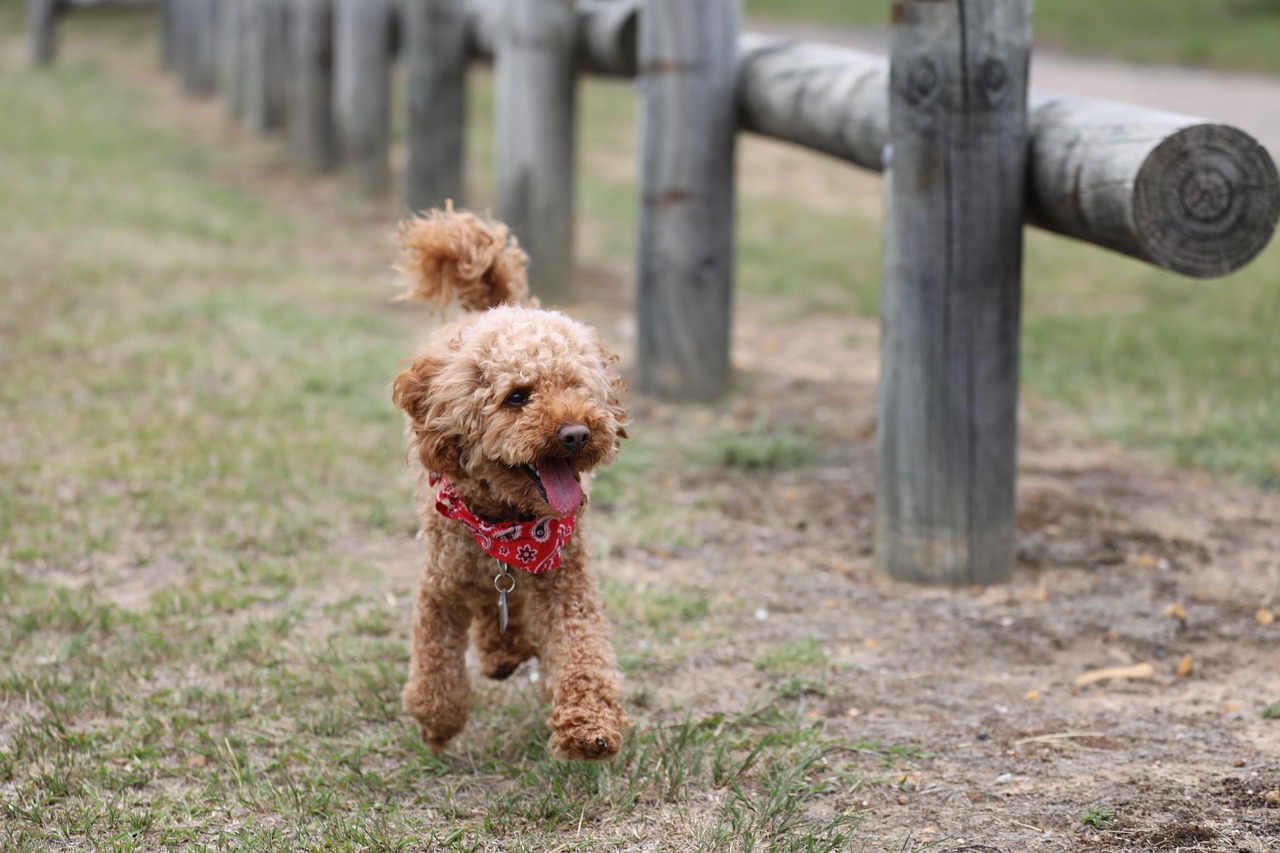
The American Kennel Club (AKC) has established breed standards for the Toy Poodle. These standards outline the ideal characteristics and appearance of the breed. The AKC breed standards for the Toy Poodle are important guidelines for breeders, judges, and enthusiasts. They ensure that the breed maintains its unique qualities and meets certain criteria in terms of size, coat, color, and temperament. The Toy Poodle breed standards also serve as a reference for potential owners who are considering adding a Toy Poodle to their family. Understanding these standards can help non-dog owners make an informed decision about whether a Toy Poodle is the right fit for them.
Show competitions
Show competitions are an essential part of the dog breeding community. They provide a platform for breeders and owners to showcase their dogs and compete for recognition and titles. In the case of the Toy Poodle breed, show competitions play a significant role in upholding and maintaining the breed standards. These standards define the ideal characteristics and appearance of the Toy Poodle, including size, coat color, and conformation. Show judges evaluate each dog based on how closely they adhere to these standards, ensuring that only the best representatives of the breed are awarded. The basset hound evolution is an interesting aspect to consider when discussing show competitions. This breed has undergone significant changes over the years, with breeders selectively breeding for specific traits to enhance their appearance and performance in the show ring. The basset hound's unique physical features, such as its long ears and droopy eyes, have become defining characteristics that judges look for in the competition. Understanding the basset hound evolution can provide valuable insights into the judging process and the importance of breed standards in show competitions.
Breed-specific requirements
Breed-specific requirements for the Toy Poodle are essential to understand for potential owners. These requirements ensure that the breed's unique characteristics and needs are met. One of the most important aspects of owning a Toy Poodle is knowing how to develop trust and communication with your pet. Building a strong bond with your Toy Poodle is crucial for their overall well-being and happiness. By consistently providing love, care, and positive reinforcement, you can establish a deep connection with your furry companion. Additionally, regular exercise, mental stimulation, and socialization are key factors in fostering a strong bond with your Toy Poodle. Understanding and meeting these breed-specific requirements will contribute to a fulfilling and rewarding relationship with your Toy Poodle.


