
Introduction
Overview of Yorkshire Terriers
Yorkshire Terriers, also known as Yorkies, are small-sized dogs that originated in Yorkshire, England. They are known for their adorable appearance, with long silky hair and a confident, lively personality. Yorkies are popular pets due to their small size, making them suitable for apartment living. They are also known for their intelligence and loyalty, making them great companions for families with children. However, it is important to note that while Yorkies can be friendly and affectionate with children, they may not tolerate rough handling or excessive noise. Therefore, it is crucial to teach children how to interact with Yorkshire Terriers in a gentle and respectful manner. By providing proper training and supervision, Yorkshire Terriers can form strong bonds with children and become cherished family pets.
Importance of Studying their Interaction with Children
Studying the interaction between Yorkshire Terriers and children is of utmost importance for several reasons. Firstly, Yorkshire Terriers are one of the most popular dog breeds, and many families with children choose them as pets. Understanding how these dogs interact with children can help ensure a safe and harmonious environment for both. Secondly, children are often curious and may not fully understand how to approach or handle dogs, which can potentially lead to accidents or injuries. By studying their interaction, we can identify any potential risks and educate both children and parents on proper dog handling and behavior. Lastly, studying the interaction between Yorkshire Terriers and children can also contribute to our understanding of dog behavior and socialization. This knowledge can be applied to other dog breeds and help improve the overall well-being and welfare of dogs in society.
Purpose of the Article
The purpose of this article is to provide an overview of the Yorkshire Terrier’s interaction with children. Yorkshire Terriers are a popular breed of small dogs known for their playful and affectionate nature. Many families consider getting a Yorkshire Terrier as a pet, especially if they have children. However, it is important to understand how Yorkshire Terriers behave around children and whether they are suitable for families with young kids. This article aims to explore the various aspects of the Yorkshire Terrier’s interaction with children, including their temperament, behavior, and potential challenges. By gaining a better understanding of this topic, parents can make informed decisions about bringing a Yorkshire Terrier into their family.
Characteristics of Yorkshire Terriers
Size and Appearance
The Yorkshire Terrier is a small breed of dog known for its petite size and elegant appearance. They typically weigh between 4 to 7 pounds and stand about 6 to 7 inches tall at the shoulder. Despite their small stature, Yorkshire Terriers have a confident and self-assured demeanor. They have a long, silky coat that comes in a variety of colors, including black and tan, blue and gold, and parti-color. The breed’s distinctive features include a small head with a bright, intelligent expression, small V-shaped ears, and a compact body with a level topline. Their small size and adorable appearance make Yorkshire Terriers popular companions for both adults and children.
Temperament and Personality
The Yorkshire Terrier breed is known for its friendly temperament and playful personality. They are generally good with children and enjoy their company. These small dogs are often eager to please and can be quite affectionate towards kids. However, it is important to supervise interactions between Yorkshire Terriers and young children to ensure the safety of both parties. Yorkshire Terriers have a tendency to be protective of their families, which can sometimes lead to them being wary of strangers. Despite their small size, they have a big personality and are often described as confident and feisty. Overall, Yorkshire Terriers make great companions for children, as long as proper supervision and socialization are provided.
Trainability and Intelligence
Yorkshire Terriers are known for their trainability and intelligence. They are quick learners and can easily pick up commands and tricks. With consistent training and positive reinforcement, Yorkshire Terriers can become well-behaved and obedient pets. Their intelligence allows them to understand and respond to their owner’s instructions effectively. However, it is important to note that each Yorkshire Terrier may have its own unique personality and learning style. Some may be more stubborn or independent, requiring a patient and persistent approach to training. Overall, the trainability and intelligence of Yorkshire Terriers make them excellent companions for families with children.
Benefits of Yorkshire Terriers for Children
Companionship and Emotional Support
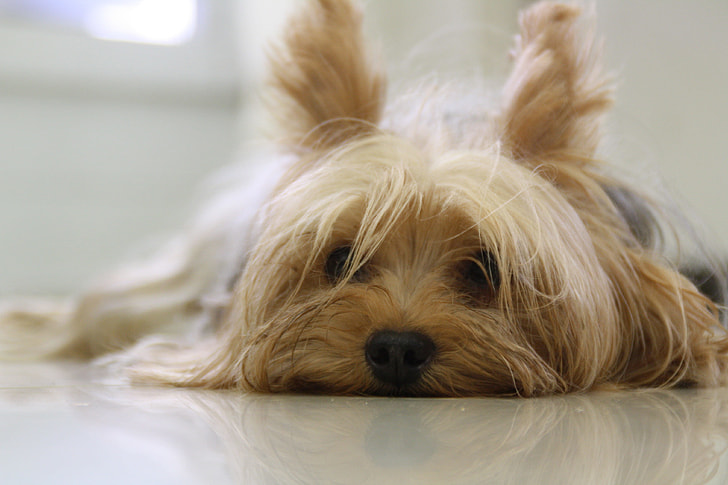
Companionship and emotional support are two key aspects of a Yorkshire Terrier’s interaction with children. These small but mighty dogs are known for their affectionate nature and their ability to form strong bonds with their human companions. Yorkshire Terriers are incredibly loyal and thrive on being in the company of their loved ones, especially children. They provide a sense of companionship and emotional support, offering comfort and unconditional love. With their small size and gentle temperament, Yorkshire Terriers make excellent companions for children, providing them with a constant source of love and companionship.
Teaching Responsibility and Empathy
Teaching responsibility and empathy is crucial when it comes to Yorkshire Terrier’s interaction with children. By instilling these values in children, they can learn to take care of their furry friends and understand their needs. This can be achieved by assigning age-appropriate tasks such as feeding, grooming, and walking the Yorkshire Terrier. In addition, teaching children to be empathetic towards their pets can help them develop a deeper bond and understanding of their emotions. Encouraging gentle handling and teaching them to recognize signs of discomfort or fear in the Yorkshire Terrier can promote a safe and harmonious interaction. By teaching responsibility and empathy, children can develop a strong sense of compassion and respect for animals, which will benefit both the child and the Yorkshire Terrier.
Promoting Physical Activity
Promoting physical activity is crucial for the overall development and well-being of Yorkshire Terriers. These small and energetic dogs thrive on regular exercise and playtime. Engaging in physical activities not only helps them burn off excess energy but also keeps them mentally stimulated. It is important for owners to provide opportunities for their Yorkshire Terriers to engage in various forms of exercise, such as daily walks, interactive play sessions, and agility training. Regular exercise not only helps to maintain a healthy weight but also strengthens their muscles and keeps their joints flexible. Additionally, physical activity promotes good cardiovascular health and can help prevent obesity-related health issues. It is important to note that the level and intensity of exercise should be appropriate for the age and health condition of the individual dog. Owners should consult with their veterinarian to determine the ideal exercise routine for their Yorkshire Terrier.
Potential Challenges

Allergies and Asthma
Allergies and asthma are common health conditions that can affect both children and adults. When it comes to Yorkshire Terriers, their hypoallergenic coat makes them a great choice for individuals with allergies or asthma. Unlike other dog breeds that shed a lot, Yorkshire Terriers have hair-like fur that doesn’t shed as much, reducing the risk of triggering allergies. Additionally, their small size and gentle nature make them suitable companions for children with asthma. However, it is important to note that every individual is different, and some people with severe allergies or asthma may still experience symptoms around Yorkshire Terriers. It is always recommended to consult with a healthcare professional before introducing a Yorkshire Terrier into a household with individuals who have allergies or asthma.
Accidental Injuries
Accidental injuries can occur when Yorkshire Terriers interact with children. It is important for parents to supervise these interactions to prevent any harm. Children may unintentionally hurt the small size of Yorkshire Terriers by stepping on them or pulling their tails. Additionally, rough play can lead to bites or scratches from the dog. To ensure the safety of both the child and the dog, it is crucial to teach children how to properly handle and interact with Yorkshire Terriers. This includes gentle petting, avoiding sudden movements, and not disturbing the dog while it is eating or sleeping. By taking these precautions, the risk of accidental injuries can be significantly reduced.
Behavioral Issues
When it comes to Yorkshire Terriers interacting with children, there are a few behavioral issues that may arise. One common issue is aggression. Yorkies are known to be territorial and protective of their space, which can lead to aggressive behavior if they feel threatened. It is important to supervise interactions between Yorkies and children to ensure the safety of both parties. Another behavioral issue is separation anxiety. Yorkies are prone to developing separation anxiety when left alone for extended periods of time. This can lead to destructive behavior and excessive barking. It is important to provide Yorkies with plenty of mental and physical stimulation to prevent this issue. Additionally, Yorkies can be prone to possessive behavior. They may become possessive of toys, food, or even their owners. It is important to teach children to respect the boundaries of the Yorkie and not to provoke possessive behavior. By addressing these behavioral issues and providing proper training and socialization, Yorkshire Terriers can have positive interactions with children.
Tips for a Positive Interaction
Supervision and Boundaries
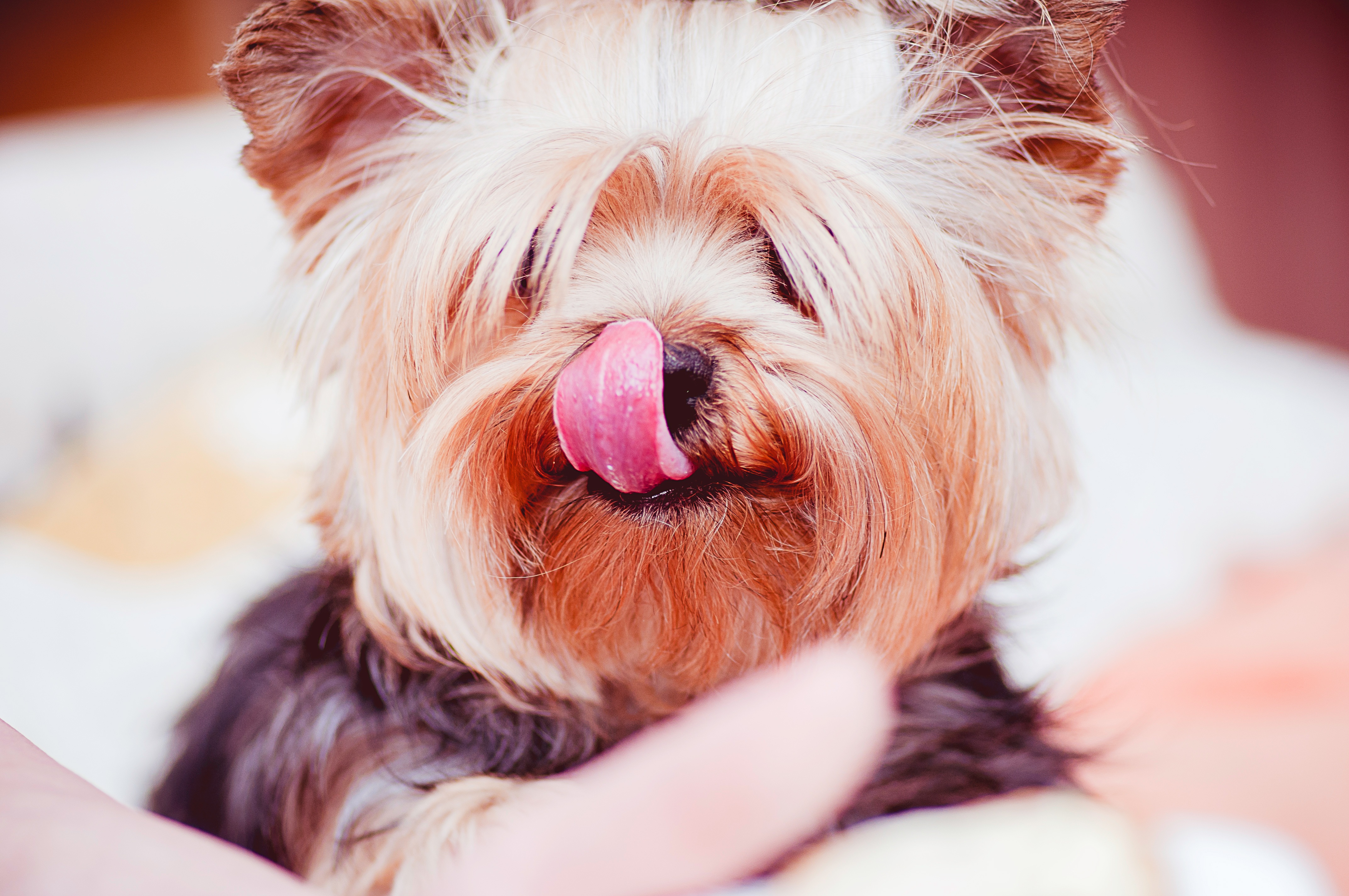
When it comes to Yorkshire Terrier’s interaction with children, supervision and setting boundaries are crucial. These small dogs have a delicate build and can easily get injured if they are not handled properly. Therefore, it is important for adults to closely supervise any interaction between Yorkshire Terriers and children to ensure the safety of both parties. Additionally, it is important to establish clear boundaries and rules for children when interacting with the Yorkshire Terrier. This includes teaching children to be gentle and respectful towards the dog, and not to engage in rough play or pull on the dog’s ears or tail. By providing proper supervision and setting boundaries, the interaction between Yorkshire Terriers and children can be safe and enjoyable for everyone involved.
Socializing the Yorkshire Terrier
Socializing the Yorkshire Terrier is an essential aspect of ensuring a well-rounded and friendly dog. This process involves exposing the Yorkshire Terrier to various social situations and interactions with different people, including children. It is important to start socializing the Yorkshire Terrier from a young age to help them develop positive associations and behaviors towards children. By introducing the Yorkshire Terrier to children early on, they can learn how to interact and behave appropriately around them. This includes teaching them to be gentle, patient, and respectful towards children. Socializing also helps the Yorkshire Terrier become more comfortable and confident in different environments, reducing the likelihood of fear or aggression. Overall, socializing the Yorkshire Terrier is crucial for fostering a positive and harmonious relationship between the dog and children.
Conclusion
Summary of Key Points
The Yorkshire Terrier’s interaction with children is an important aspect to consider for families considering this breed as a pet. This overview aims to provide a summary of key points regarding this interaction. It is crucial to note that the temperament and behavior of individual Yorkshire Terriers may vary, so it is important to assess each dog on a case-by-case basis. However, there are general trends and guidelines that can help families understand what to expect when introducing a Yorkshire Terrier to children. By following these guidelines and providing proper socialization and training, the Yorkshire Terrier can be a great companion for children, offering them love, affection, and a playful nature. It is important to teach children how to properly interact with the Yorkshire Terrier, including gentle handling, respecting the dog’s personal space, and never leaving young children unsupervised with the dog. Overall, the Yorkshire Terrier’s interaction with children can be positive and rewarding, as long as proper care and attention are given.
Importance of Responsible Ownership
Responsible ownership is of utmost importance when it comes to Yorkshire Terriers’ interaction with children. By being a responsible owner, you ensure the safety and well-being of both the dog and the child. This includes providing proper training and socialization for the Yorkshire Terrier, as well as supervising interactions between the dog and children. Additionally, responsible ownership involves teaching children how to properly interact with dogs, such as not pulling their ears or tail and approaching them calmly and gently. By practicing responsible ownership, you create a positive and safe environment for the Yorkshire Terrier and children to interact and form a strong bond.
Future Research and Recommendations
Future research on Yorkshire Terrier’s interaction with children should focus on understanding the long-term effects of this relationship. It would be valuable to investigate whether growing up with a Yorkshire Terrier has any impact on a child’s social, emotional, and cognitive development. Additionally, further studies could explore the potential benefits and challenges of introducing a Yorkshire Terrier into different family structures and environments. Recommendations for future research include conducting longitudinal studies to track the development of children who have a Yorkshire Terrier as a pet and comparing their outcomes with those of children who do not have a pet. Furthermore, it would be beneficial to examine the factors that contribute to successful interactions between Yorkshire Terriers and children, such as the role of parental involvement, pet training, and the child’s age and temperament.


