Introduction
Why is choosing the right food important for your English Bulldog?
Choosing the right food for your English Bulldog is crucial for their overall health and well-being. As a breed known for their unique dietary needs, it is important to provide them with a balanced and nutritious diet. The right food can help maintain their ideal weight, promote healthy digestion, and support their immune system. Additionally, it can contribute to the health of their skin and coat, as well as their joint and bone health. By choosing the right food for your English Bulldog, you are ensuring that they receive the necessary nutrients to thrive and live a long and happy life.
Understanding the nutritional needs of English Bulldogs
Understanding the nutritional needs of English Bulldogs is essential for their overall health and well-being. These adorable and lovable dogs have specific dietary requirements that must be met to ensure they thrive. English Bulldogs are prone to certain health issues, such as allergies, obesity, and digestive problems. Therefore, it is crucial to provide them with a balanced and nutritious diet. This includes a combination of high-quality protein, carbohydrates, and healthy fats. Additionally, it is important to avoid ingredients that may trigger allergies or sensitivities. By understanding and meeting the nutritional needs of English Bulldogs, owners can help their furry companions live a long and healthy life.
Common health issues related to improper diet
Proper nutrition is crucial for maintaining the health and well-being of your English Bulldog. Unfortunately, many owners are unaware of the impact that an improper diet can have on their pet's health. One of the most common health issues related to an improper diet is obesity. English Bulldogs have a tendency to gain weight easily, and feeding them a diet that is high in fat and calories can exacerbate this problem. Another health issue that can arise from an improper diet is allergies. Some Bulldogs may have sensitivities or allergies to certain ingredients commonly found in commercial dog food. This can lead to skin irritations, digestive issues, and other uncomfortable symptoms. Additionally, an improper diet can contribute to dental problems in Bulldogs. Feeding them soft or processed foods can increase the risk of tooth decay and gum disease. It is important to consult with your veterinarian to determine the best diet for your English Bulldog and to ensure that they are receiving the proper nutrients they need to thrive.
Factors to Consider
Age and life stage
Age and life stage play a crucial role in determining the right food for your English Bulldog. Just like humans, Bulldogs have different nutritional needs at different stages of their lives. Puppies require a diet that supports their rapid growth and development, while adult Bulldogs need a balanced diet to maintain their overall health. Senior Bulldogs, on the other hand, may benefit from a diet that supports joint health and provides adequate nutrients for their aging bodies. It is important to consult with your veterinarian to determine the appropriate food for your Bulldog based on their age and life stage.
Breed-specific considerations
When it comes to feeding your English Bulldog, there are several breed-specific considerations to keep in mind. Bulldogs have a unique body structure and metabolism, which means they require a specific diet to maintain optimal health. One important consideration is their tendency to gain weight easily, so it's crucial to monitor their calorie intake and avoid overfeeding. Additionally, Bulldogs are prone to certain health issues such as allergies and digestive problems, so it's important to choose a food that is specially formulated to address these issues. Lastly, Bulldogs have a brachycephalic (flat-faced) anatomy, which can make it difficult for them to chew and swallow certain types of food. Therefore, it's important to select a food with a texture that is easy for them to eat. By considering these breed-specific factors, you can ensure that your English Bulldog is getting the right nutrition for their unique needs.
Food allergies and sensitivities
Food allergies and sensitivities can be a common issue among English Bulldogs. These dogs can have adverse reactions to certain ingredients in their food, leading to symptoms such as itching, diarrhea, and vomiting. It is important for Bulldog owners to be aware of the potential allergens and sensitivities that their pets may have. Common food allergens for English Bulldogs include beef, chicken, dairy, wheat, and soy. If your Bulldog is experiencing any symptoms of food allergies or sensitivities, it is recommended to consult with a veterinarian to determine the best course of action. Additionally, switching to a hypoallergenic or limited ingredient diet may help alleviate these issues and provide relief for your Bulldog.
Types of Dog Food
Dry kibble
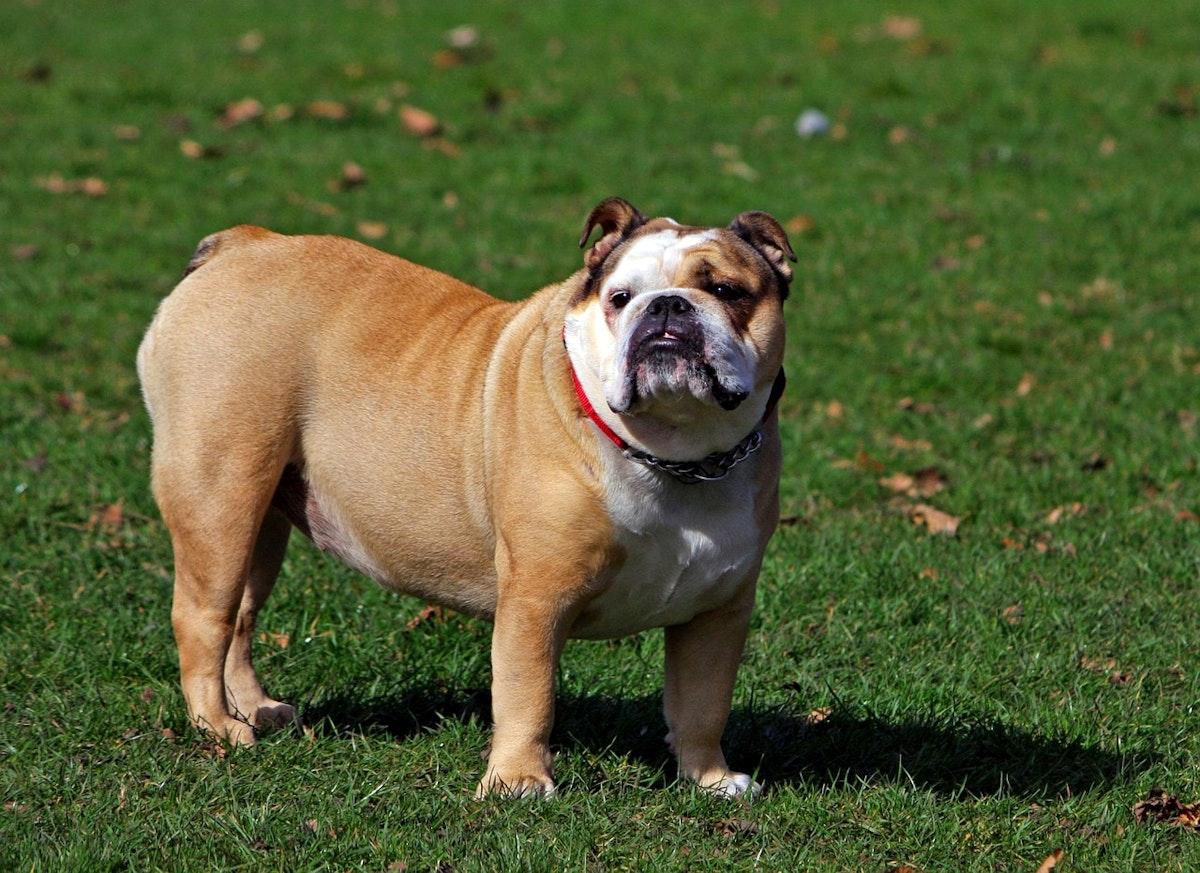
Dry kibble is a popular choice for feeding English Bulldogs due to its convenience and nutritional benefits. It is a complete and balanced diet that provides all the essential nutrients your Bulldog needs to thrive. The crunchy texture of dry kibble also helps to promote dental health by reducing plaque and tartar buildup. Additionally, dry kibble is less likely to spoil compared to wet or raw food, making it easier to store and serve. When choosing a dry kibble for your English Bulldog, it is important to look for high-quality ingredients such as real meat, whole grains, and vegetables. Avoid kibbles that contain fillers, artificial additives, and by-products. It is also recommended to consult with your veterinarian to determine the specific nutritional needs of your Bulldog and to ensure that the chosen kibble is suitable for their age, size, and any specific health concerns they may have.
Canned food
Canned food is a popular choice for many English Bulldog owners due to its convenience and long shelf life. It provides a balanced and nutritious diet for your furry friend, containing a mix of meats, vegetables, and grains. The moisture content in canned food helps keep your Bulldog hydrated, which is especially important for dogs prone to urinary tract issues. Additionally, the soft texture of canned food is easier for Bulldogs to chew and digest, making it a great option for puppies or dogs with dental problems. When choosing canned food for your English Bulldog, look for high-quality ingredients and avoid artificial preservatives or fillers. It's also important to consult with your veterinarian to determine the appropriate portion size and feeding schedule for your Bulldog's specific needs.
Raw or homemade diets
When it comes to feeding your English Bulldog, you have the option of choosing a raw or homemade diet. Raw diets consist of uncooked meat, bones, and organs, while homemade diets involve preparing meals at home using fresh ingredients. Both options have their advantages and disadvantages. Raw diets provide dogs with a biologically appropriate and natural diet, as it closely resembles what they would eat in the wild. It can improve their digestion, coat condition, and overall health. However, raw diets require careful planning and preparation to ensure that they are balanced and provide all the necessary nutrients. On the other hand, homemade diets allow you to have more control over the ingredients and can be tailored to your dog's specific needs. You can include a variety of protein sources, vegetables, and grains. However, homemade diets can also be time-consuming and require knowledge of canine nutrition to ensure that they are complete and balanced. It is important to consult with a veterinarian or a canine nutritionist to determine the best diet for your English Bulldog.
Reading Dog Food Labels
Understanding the ingredients list
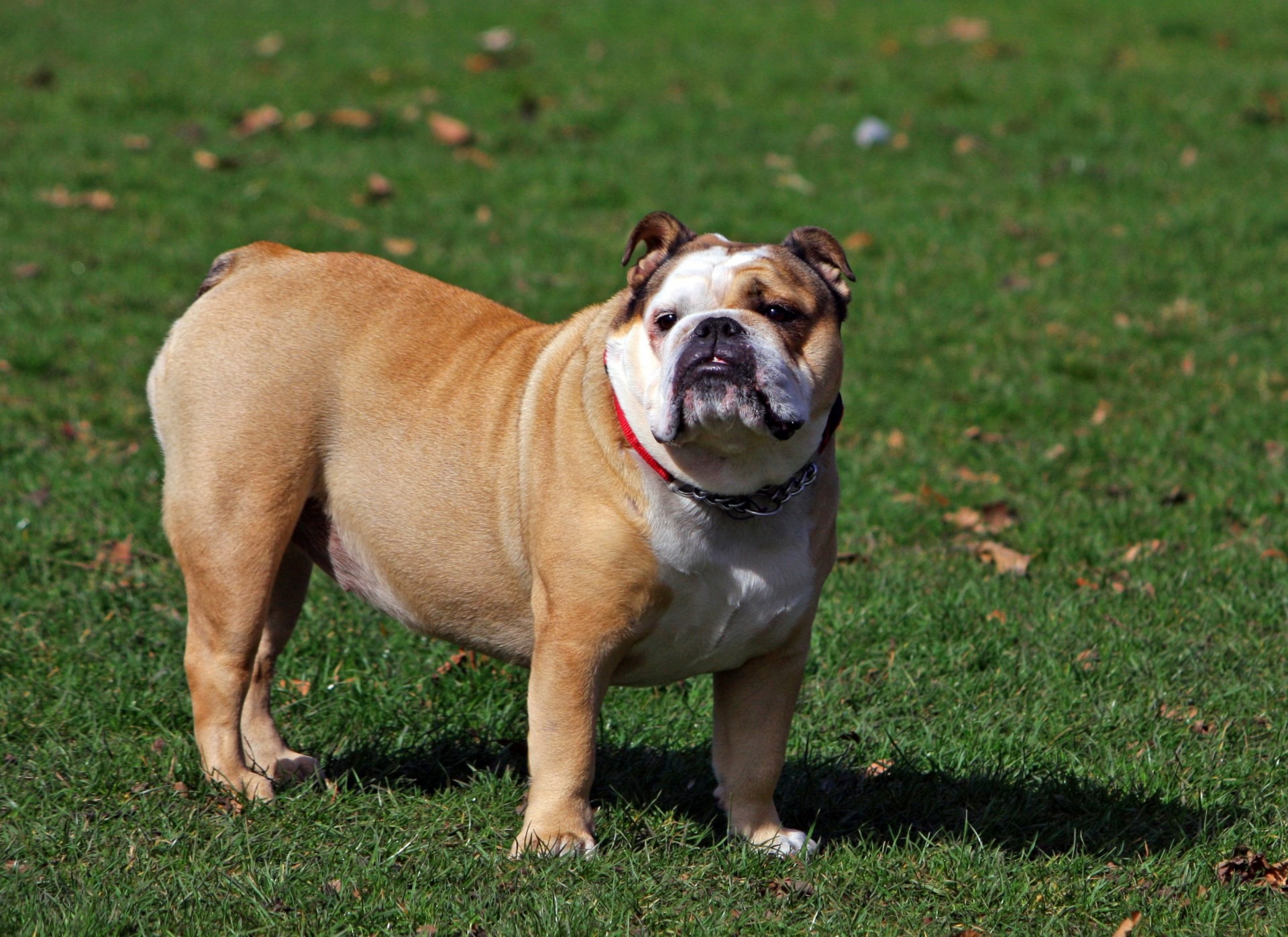
Understanding the ingredients list is crucial when it comes to choosing the right food for your English Bulldog. The ingredients list provides valuable information about what goes into your dog's food and can help you make informed decisions about their nutrition. Pay attention to the first few ingredients, as they are the main components of the food. Look for high-quality sources of protein, such as chicken or beef, as well as healthy carbohydrates like sweet potatoes or brown rice. Avoid foods that contain fillers, artificial additives, or by-products. By understanding the ingredients list, you can ensure that your English Bulldog is getting the nutrition they need to thrive.
Identifying key nutrients
Proper nutrition is essential for the health and well-being of your English Bulldog. One of the key aspects of ensuring your Bulldog receives the right nutrition is identifying the key nutrients they need. By understanding the specific nutritional requirements of English Bulldogs, you can provide them with a balanced diet that meets their needs. Some of the key nutrients to focus on include protein, carbohydrates, fats, vitamins, and minerals. Protein is crucial for muscle development and repair, while carbohydrates provide energy. Fats are essential for healthy skin and coat, and vitamins and minerals support overall health and immunity. By incorporating these key nutrients into your Bulldog's diet, you can help them thrive and maintain optimal health.
Avoiding harmful additives
When it comes to choosing the right food for your English Bulldog, it is important to be aware of harmful additives that can negatively impact their health. Avoiding these additives is crucial in ensuring that your Bulldog receives the proper nutrition it needs to thrive. Some common harmful additives to watch out for include artificial colors, flavors, and preservatives. These additives can lead to allergies, digestive issues, and even long-term health problems. To ensure your Bulldog's well-being, opt for high-quality dog food that is free from these harmful additives. Look for natural and organic options that are specifically formulated for Bulldogs, taking into consideration their unique dietary needs and sensitivities. By avoiding harmful additives and choosing the right food, you can help your English Bulldog live a happy and healthy life.
Consulting with a Veterinarian
Getting professional advice
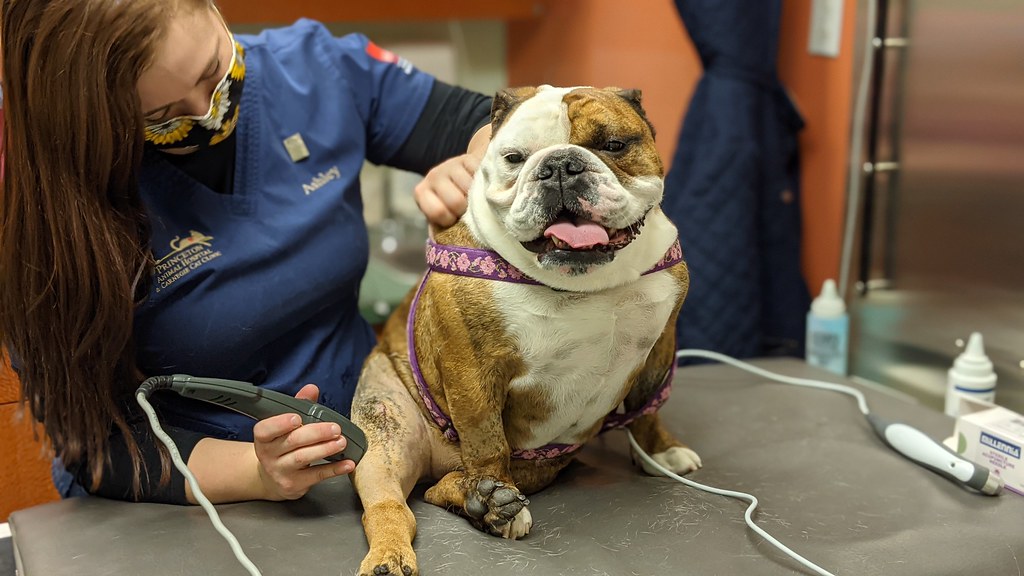
Getting professional advice is crucial when it comes to choosing the right food for your English Bulldog. With their unique dietary needs and potential health issues, it is important to consult with a veterinarian or a professional dog nutritionist. These experts can provide valuable guidance on the specific nutritional requirements of English Bulldogs and recommend suitable food brands and formulas. By seeking professional advice, you can ensure that your Bulldog receives a well-balanced diet that promotes their overall health and well-being.
Tailoring the diet to your dog's specific needs
When it comes to tailoring the diet to your English Bulldog's specific needs, there are a few key factors to consider. First and foremost, it is important to take into account your dog's age and activity level. Puppies and young Bulldogs have different nutritional requirements than adult Bulldogs, so it is essential to choose a food that is appropriate for their life stage. Additionally, Bulldogs are prone to certain health issues such as allergies and joint problems, so it is important to select a food that addresses these specific concerns. Finally, it is crucial to monitor your Bulldog's weight and adjust their diet accordingly. Bulldogs have a tendency to gain weight easily, so it is important to feed them the right amount of food and avoid overfeeding. By considering these factors and selecting a high-quality, balanced diet, you can ensure that your English Bulldog is getting the nutrition they need to thrive.
Monitoring your dog's health and weight
Monitoring your dog's health and weight is crucial for ensuring their overall well-being. English Bulldogs are prone to certain health issues, such as obesity, joint problems, and respiratory difficulties. By closely monitoring their weight, you can prevent excessive weight gain and the associated health risks. Regular visits to the veterinarian are essential for monitoring their health and addressing any potential issues early on. Additionally, it is important to provide them with a balanced and nutritious diet that meets their specific dietary needs. This includes feeding them high-quality dog food that is suitable for their age, size, and activity level. Avoid overfeeding and stick to the recommended portion sizes to maintain a healthy weight. Regular exercise is also important for keeping your English Bulldog fit and maintaining their muscle tone. By monitoring your dog's health and weight, you can ensure that they lead a happy and healthy life.
Transitioning to a New Food
Gradual introduction
When introducing a new food to your English Bulldog, it is important to do so gradually. Sudden changes in diet can upset their sensitive stomachs and lead to digestive issues. Start by mixing a small amount of the new food with their current food, gradually increasing the ratio over several days. This allows your Bulldog's digestive system to adjust to the new food without causing any discomfort. Remember to monitor their reaction to the new food and consult with your veterinarian if you notice any adverse effects.
Monitoring for any adverse reactions
Monitoring for any adverse reactions is crucial when choosing the right food for your English Bulldog. It is important to keep a close eye on your dog's reaction to the new diet and make note of any changes in behavior or health. Look out for symptoms such as vomiting, diarrhea, excessive itching, or lethargy, as these could indicate an adverse reaction to the food. If you notice any of these symptoms, it is recommended to consult with your veterinarian for further guidance. Remember, every dog is unique, and what works for one may not work for another, so it's important to monitor and adjust accordingly.
Adjusting portion sizes
Adjusting portion sizes is crucial for ensuring the health and well-being of your English Bulldog. As a breed known for their tendency to gain weight easily, it is important to carefully monitor their food intake. Bulldogs have a slower metabolism compared to other breeds, which means they require smaller portion sizes to maintain a healthy weight. When adjusting portion sizes, it is essential to consider factors such as age, activity level, and overall health. Consulting with a veterinarian can provide valuable guidance in determining the appropriate portion sizes for your Bulldog. By monitoring and adjusting their food intake, you can help your English Bulldog maintain a healthy weight and prevent obesity-related health issues.