Introduction
Overview of Beagles
Beagles are a popular breed of dog known for their keen sense of smell and friendly nature. They are medium-sized dogs with short hair and a distinctive bay. Beagles are often used as hunting dogs due to their exceptional tracking abilities. They are also great family pets and are known for their loyalty and affectionate nature. Beagles require regular exercise and mental stimulation to prevent boredom and destructive behavior. Training a Beagle can be a challenging task due to their independent nature and strong hunting instincts. However, with the right techniques and patience, it is possible to train a Beagle effectively. In this article, we will explore the challenges faced when training a Beagle and discuss some effective techniques to ensure successful training.
Importance of Training
Training a Beagle is essential for several reasons. Firstly, it helps establish a strong bond between the owner and the dog. Through training, the owner can communicate their expectations and establish boundaries, which in turn helps the dog feel secure and confident. Additionally, training helps in preventing behavioral issues such as excessive barking, chewing, and aggression. A well-trained Beagle is more likely to be well-behaved and obedient, making it easier for the owner to manage and control the dog in various situations. Lastly, training also provides mental stimulation for the Beagle, keeping them engaged and preventing boredom. Overall, the importance of training cannot be overstated when it comes to raising a well-behaved and happy Beagle.
Purpose of the Article
The purpose of this article is to provide an in-depth understanding of the challenges faced when training a Beagle and to offer effective techniques that can be employed to overcome these challenges. Training a Beagle can be a daunting task due to their independent nature and strong hunting instincts. However, with the right approach and consistent training methods, it is possible to train a Beagle to be well-behaved and obedient. This article aims to guide dog owners and trainers in successfully training their Beagles by addressing common challenges and providing practical tips and strategies. By following the techniques mentioned in this article, dog owners can establish a strong bond with their Beagles and ensure a harmonious and fulfilling relationship.
Understanding Beagle Behavior
Characteristics of Beagles
Beagles are known for their unique characteristics that set them apart from other dog breeds. One of the most notable traits of Beagles is their exceptional sense of smell. They have been bred for centuries to be scent hounds, making them excellent trackers and hunters. Another characteristic of Beagles is their friendly and sociable nature. They are often described as being good-natured, outgoing, and affectionate. Beagles are also known for their intelligence and curiosity, which can sometimes lead to mischief if not properly stimulated. Despite their small size, Beagles are energetic and require regular exercise to keep them happy and healthy. Overall, Beagles are charming and lovable dogs with a unique set of characteristics that make them a popular choice among pet owners.
Common Behavioral Issues
Beagles are known for their friendly and outgoing nature, but they can also exhibit certain behavioral issues. One common issue is excessive barking, which can be a result of boredom or separation anxiety. Another issue is digging, as Beagles have a natural instinct to dig and explore their surroundings. Additionally, Beagles are known for their strong sense of smell and may become easily distracted by scents, leading to wandering or running away. It is important for Beagle owners to address these behavioral issues early on to ensure a well-behaved and happy pet.
Impact of Behavior on Training
The impact of behavior on training is crucial in the process of training a Beagle. Understanding the behavior of a Beagle is essential in order to effectively train them. Beagles are known for their strong hunting instincts and independent nature, which can sometimes make training challenging. However, with the right techniques and approach, it is possible to overcome these challenges and successfully train a Beagle. It is important to remember that each Beagle is unique and may respond differently to various training methods. Patience, consistency, and positive reinforcement are key elements in training a Beagle. By understanding and addressing their behavior, trainers can establish a strong bond with their Beagle and achieve desired training outcomes.
Basic Training Techniques
Positive Reinforcement
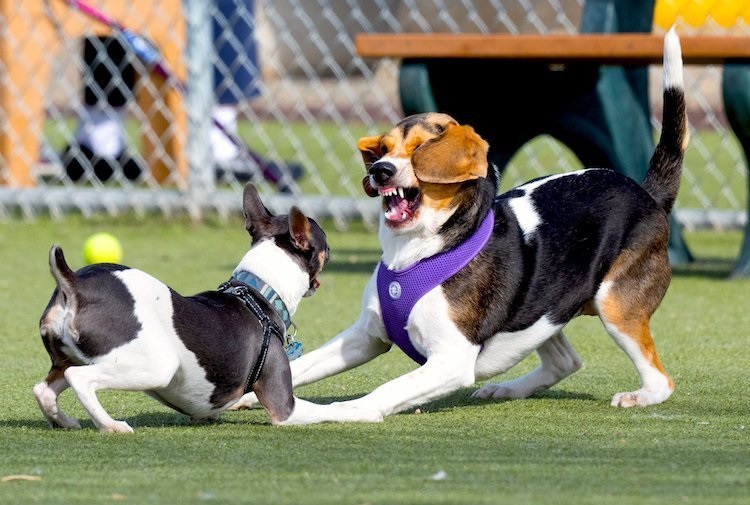
Positive reinforcement is a highly effective technique for training beagles. By using positive reinforcement, owners can encourage desired behaviors and discourage unwanted ones. This method involves rewarding the dog with treats, praise, or playtime when they exhibit the desired behavior. For example, when a beagle follows a command correctly, such as sitting or staying, they are immediately praised and given a treat. This positive association helps the dog understand what is expected of them and motivates them to repeat the behavior in the future. Additionally, positive reinforcement creates a strong bond between the owner and the beagle, as it fosters trust and mutual respect. It is important to note that consistency is key when using positive reinforcement, as the dog needs to understand that the reward is directly related to their behavior. With patience, consistency, and the use of positive reinforcement, training a beagle can be a rewarding and enjoyable experience.
Clicker Training
Clicker training is a popular and effective technique used in training beagles. It involves using a small handheld device that makes a distinct clicking sound when pressed. This sound serves as a marker to indicate to the dog that they have performed the desired behavior correctly. The clicker is paired with positive reinforcement, such as treats or praise, to reinforce the behavior and encourage its repetition. Beagles respond well to clicker training due to their high food drive and eagerness to please their owners. This method allows for clear communication between the trainer and the dog, making it easier to teach new commands and behaviors. With consistent practice and patience, clicker training can help beagles overcome challenges and learn new skills.
Basic Commands
Training a Beagle requires teaching them a set of basic commands. These commands are essential for establishing communication and discipline with your dog. The first command to teach a Beagle is ‘sit‘. This command helps in controlling their excitement and teaches them to stay still. Another important command is ‘stay', which ensures that your Beagle remains in one place until given a signal to move. ‘Come' is another crucial command that helps in calling your Beagle back to you. Lastly, ‘lie down' is a command that encourages your Beagle to relax and settle down. By mastering these basic commands, you can lay a strong foundation for further training and ensure a well-behaved Beagle.
Challenges in Beagle Training

Stubbornness and Independence
Beagles are known for their stubbornness and independence, which can make training them a challenge. These traits stem from their hunting background, as they were bred to work independently and follow scents without much guidance. This independent nature can sometimes lead to beagles ignoring commands or becoming easily distracted during training sessions. However, with patience and consistent training techniques, it is possible to overcome these challenges and effectively train a beagle. One effective technique is to use positive reinforcement, such as treats or praise, to reward desired behaviors. Another technique is to keep training sessions short and engaging, as beagles can quickly lose interest if the sessions become repetitive or boring. Additionally, incorporating mental stimulation activities, such as puzzle toys or scent games, can help channel their independent nature in a constructive way. By understanding and working with their stubbornness and independence, beagle owners can develop a strong bond with their furry companions and enjoy a well-behaved and trained pet.
Scent-Driven Distractions
Scent-driven distractions are one of the biggest challenges when training a Beagle. Beagles have an exceptional sense of smell, which can easily lead them astray during training sessions. These distractions can include the scent of food, other animals, or even interesting smells in the environment. It is crucial to address scent-driven distractions early on in the training process to ensure that the Beagle can focus and follow commands effectively. One effective technique to overcome scent-driven distractions is to use positive reinforcement. By rewarding the Beagle for ignoring distractions and focusing on the training, they will learn to prioritize commands over scents. Additionally, incorporating scent-based training exercises can help the Beagle develop better scent discrimination skills and learn to differentiate between important scents and distractions. With consistent practice and patience, scent-driven distractions can be overcome, and the Beagle can become a well-trained and obedient companion.
Barking and Howling
Barking and howling are common behaviors exhibited by Beagles. These vocalizations can be a challenge for owners to manage, as they can be loud and disruptive. However, with the right techniques, it is possible to effectively train a Beagle to control their barking and howling. One effective technique is to provide consistent and positive reinforcement when the Beagle remains quiet in situations that would typically trigger barking or howling. This can be done by rewarding the Beagle with treats or praise when they remain calm. Additionally, teaching the Beagle alternative behaviors, such as sitting or lying down, can redirect their focus and help reduce barking and howling. It is important to be patient and consistent in the training process, as it may take time for the Beagle to learn and adopt new behaviors. With dedication and proper training, owners can successfully manage their Beagle's barking and howling.
Effective Training Strategies
Consistency and Patience
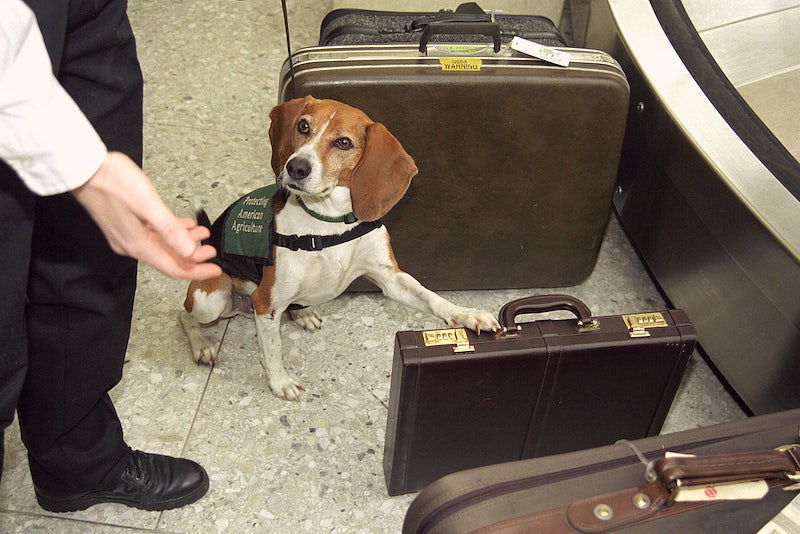
Consistency and patience are key when it comes to training a Beagle. These qualities are crucial in establishing a strong foundation for your dog's learning and development. Beagles are known for their independent nature, which can make training challenging at times. However, with consistent and patient training techniques, you can effectively overcome these challenges. It is important to set clear boundaries and expectations for your Beagle, and to reinforce them consistently. This will help your dog understand what is expected of them and will contribute to their overall obedience and behavior. Patience is also essential when training a Beagle, as they may take longer to grasp certain commands or behaviors. It is important to remain calm and patient, providing positive reinforcement and rewards when your Beagle shows progress. With time and dedication, your Beagle will become a well-trained and obedient companion.
Socialization and Exposure
Socialization and exposure are crucial aspects of training a Beagle. It is important to expose your Beagle to various social situations and environments from an early age. This helps them develop good behavior and adaptability. Beagles are known for their friendly and sociable nature, but without proper socialization, they can become fearful or aggressive. It is recommended to introduce your Beagle to different people, animals, and places to ensure they grow up to be well-rounded and confident dogs. Socialization also helps prevent behavioral issues such as separation anxiety and excessive barking. In addition to socialization, positive reinforcement techniques such as rewards and treats can be used to reinforce desired behaviors. Training articles and resources can provide valuable guidance and tips for effective socialization and exposure.
Using Treats and Rewards
Using treats and rewards is a highly effective technique when training a Beagle. By associating positive reinforcement with desired behaviors, Beagles are motivated to learn and obey commands. Treats can be used as a reward for successfully following commands such as sitting, staying, and coming when called. This not only helps in teaching basic obedience but also allows Beagles to develop good manners and behavior. It is important to choose high-value treats that are appealing to Beagles and to use them consistently during training sessions. By using treats and rewards, Beagle owners can create a positive and enjoyable training experience for their furry companions.
Advanced Training Techniques
Off-Leash Training
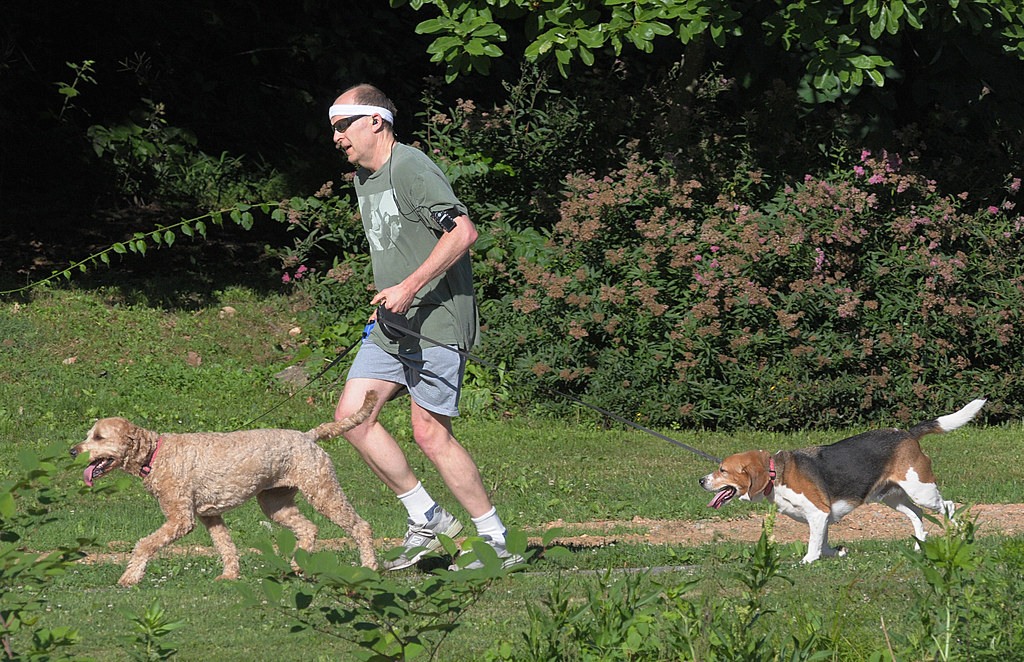
Off-leash training is a crucial aspect of training a Beagle. It requires patience, consistency, and a deep understanding of the breed's instincts and behavior. Beagles are known for their strong sense of smell and innate hunting abilities, which can make off-leash training challenging. However, with the right techniques and approach, it is possible to train a Beagle to be reliable off-leash. One effective technique is to start training in a secure, enclosed area with minimal distractions. This allows the Beagle to focus on the training and helps build their confidence. Gradually, the training can be moved to more open spaces with increased distractions, ensuring that the Beagle remains obedient and responsive even in stimulating environments. Positive reinforcement, such as treats and praise, is also essential in off-leash training. Rewarding the Beagle for desired behaviors encourages them to repeat those behaviors and strengthens the bond between the dog and the trainer. It is important to note that off-leash training takes time and consistent effort. It is a gradual process that requires patience and understanding. With dedication and the right techniques, a Beagle can become a well-trained and reliable companion off-leash.
Scent Work and Tracking
Scent work and tracking are essential skills for a beagle. These activities tap into their natural instincts and provide mental and physical stimulation. Beagles have an exceptional sense of smell, which makes them ideal for tasks such as search and rescue, drug detection, and tracking. When training a beagle in scent work and tracking, it is important to start with basic obedience commands and gradually introduce scent-specific exercises. This helps the beagle understand the connection between following a scent trail and receiving a reward. Additionally, using positive reinforcement techniques such as treats and praise can motivate the beagle to excel in scent work and tracking. With consistent training and practice, beagles can become proficient in these skills and make valuable contributions in various fields.
Advanced Commands
Training a Beagle is a rewarding but challenging endeavor. After mastering basic commands, it's time to move on to more advanced commands. These advanced commands not only stimulate the Beagle's mind but also strengthen the bond between the owner and the dog. One effective technique for teaching advanced commands is using positive reinforcement. By rewarding the Beagle with treats or praise when they successfully perform the command, they will be motivated to continue learning. Another technique is breaking down the command into smaller steps and gradually increasing the difficulty. This allows the Beagle to understand and execute the command more easily. It's important to be patient and consistent during the training process, as it may take time for the Beagle to fully grasp the advanced commands. With dedication and perseverance, both the Beagle and the owner can achieve success in mastering advanced commands.