
Overview
Introduction to Chihuahua training
Chihuahuas are known for their small size and big personalities. Training a Chihuahua can be a rewarding experience, but it requires patience and consistency. In this article, we will provide you with tips and techniques to effectively train your Chihuahua. Whether you are a first-time dog owner or have experience with other breeds, understanding the unique characteristics of Chihuahuas and their behavior is essential. By implementing positive reinforcement, socialization, and establishing a routine, you can shape your Chihuahua into a well-behaved and obedient companion. So, let's dive into the world of Chihuahua training and discover how to bring out the best in your furry friend.
Benefits of training your Chihuahua
Training your Chihuahua can bring numerous benefits to both you and your furry friend. One of the main advantages is that it helps establish a strong bond between you and your pet. By spending time together during training sessions, you will develop a deeper understanding of each other and create a sense of trust and companionship. Additionally, training can improve your Chihuahua's behavior and obedience, making them more well-behaved and easier to manage in various situations. It also provides mental stimulation for your dog, keeping them engaged and preventing boredom. Lastly, a well-trained Chihuahua is more likely to be welcomed in public places and social gatherings, allowing you to enjoy outings and activities together without any concerns. Overall, investing time and effort in training your Chihuahua can lead to a happier, healthier, and more harmonious relationship.
Common challenges in Chihuahua training
Chihuahua training can be a rewarding experience, but it also comes with its fair share of challenges. One common challenge in Chihuahua training is their stubborn nature. These small dogs can be quite independent and may resist following commands. Another challenge is their tendency to be timid or fearful. Chihuahuas can easily become anxious or scared, which can make training more difficult. Additionally, their small size can make it challenging to find appropriate training equipment and tools. Despite these challenges, with patience, consistency, and positive reinforcement, Chihuahuas can be successfully trained.
Understanding Chihuahua Behavior
Characteristics of Chihuahuas
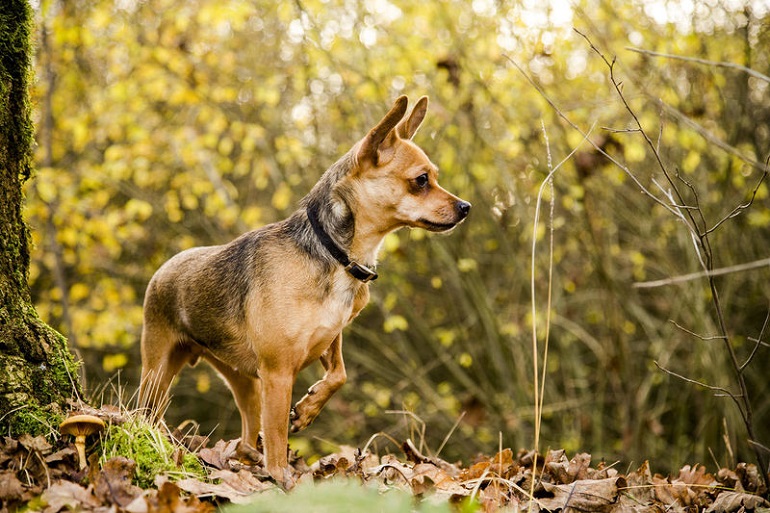
Chihuahuas are small dogs with big personalities. They are known for their lively and energetic nature. Despite their small size, Chihuahuas are confident and fearless. They are also intelligent and quick learners. Chihuahuas can be stubborn at times, but with consistent training and positive reinforcement, they can become well-behaved companions. These dogs are loyal and protective of their owners, making them excellent watchdogs. Chihuahuas require regular exercise to keep them physically and mentally stimulated. They are also prone to dental issues, so proper dental care is essential. Overall, Chihuahuas make wonderful pets for those who are willing to invest time and effort into their training and care.
Understanding Chihuahua body language
Understanding Chihuahua body language is crucial for effective training. Chihuahuas have unique ways of communicating their feelings and intentions through their body movements and facial expressions. By paying attention to their body language, you can better understand when they are happy, scared, or in need of something. Some key body language cues to look out for include tail position, ear position, eye contact, and overall body posture. It is important to note that every Chihuahua is different, so it is essential to spend time observing and getting to know your individual dog's body language cues.
Common behavioral issues in Chihuahuas
Chihuahuas are known for their unique temperament and personality traits. However, like any other dog breed, they can also experience common behavioral issues. It's important for Chihuahua owners to be aware of these issues and take appropriate steps to address them. Some common behavioral issues in Chihuahuas include aggression, separation anxiety, excessive barking, and housebreaking problems. Understanding the underlying causes of these issues and implementing positive reinforcement training techniques can help improve the behavior of your Chihuahua. If you're facing any of these issues with your Chihuahua, it's recommended to consult a professional dog trainer or behaviorist for guidance and support.
Basic Training Techniques
Positive reinforcement training
Positive reinforcement training is a highly effective method of dog training that focuses on rewarding desired behaviors rather than punishing unwanted behaviors. This type of training relies on clear and consistent communication between the owner and the Chihuahua. By using positive reinforcement techniques such as treats, praise, and play, owners can encourage their Chihuahua to learn and obey commands. Effective dog communication is key to successful positive reinforcement training. By understanding and responding to their dog's needs, owners can build a strong bond and create a positive learning environment for their Chihuahua.
Teaching basic commands
Training your Chihuahua to follow basic commands is an essential part of their development and overall well-being. By teaching them commands such as sit, stay, and come, you can ensure their safety and improve their behavior. Chihuahuas are intelligent dogs and can quickly learn these commands with consistent training and positive reinforcement. It is important to be patient and consistent when training your Chihuahua, as they may be stubborn at times. With proper training, your Chihuahua will become a well-behaved and obedient companion.
Housebreaking and crate training
Housebreaking and crate training are crucial aspects of training your Chihuahua. Housebreaking refers to teaching your dog where to relieve themselves, while crate training involves using a crate as a safe and comfortable space for your Chihuahua. Both of these training methods are essential for a well-behaved and disciplined dog. When housebreaking your Chihuahua, it is important to establish a consistent routine and take them outside frequently to their designated potty area. Reward them with praise and treats when they successfully eliminate in the right spot. Crate training can help with housebreaking as it teaches your Chihuahua to hold their bladder and bowels while in the crate. It also provides a secure space for them when you are unable to supervise them. Introduce the crate gradually, making it a positive and comfortable space for your Chihuahua. Use treats and toys to encourage them to enter the crate willingly. Never use the crate as a form of punishment. With patience and consistency, your Chihuahua will learn to associate the crate with safety and security.
Socialization and Obedience Training
Importance of socializing your Chihuahua
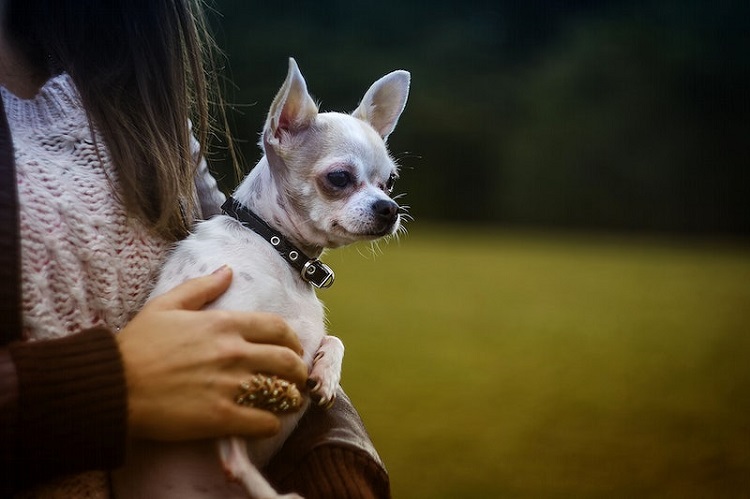
Socializing your Chihuahua is crucial for their overall well-being and development. It helps them become more comfortable in various social situations and reduces the chances of them developing behavioral issues. By exposing your Chihuahua to different people, animals, and environments, you can prevent them from becoming fearful or aggressive. Socialization also helps them learn how to interact appropriately with other dogs and humans. It is important to start socializing your Chihuahua at a young age and continue throughout their life to ensure they grow up to be confident and well-adjusted pets.
Training for good manners and obedience
Training for good manners and obedience is crucial for every dog owner. It helps create a harmonious relationship between you and your furry friend. When it comes to training tips for miniature schnauzers, consistency is key. Start with basic commands like sit, stay, and come. Use positive reinforcement techniques such as treats and praise to encourage good behavior. It's also important to socialize your miniature schnauzer from an early age to ensure they are comfortable around other dogs and people. Remember to be patient and understanding throughout the training process, as it may take time for your chihuahua to fully grasp the commands. With dedication and perseverance, you can have a well-behaved and obedient miniature schnauzer.
Advanced Training for Chihuahuas
Trick training and mental stimulation
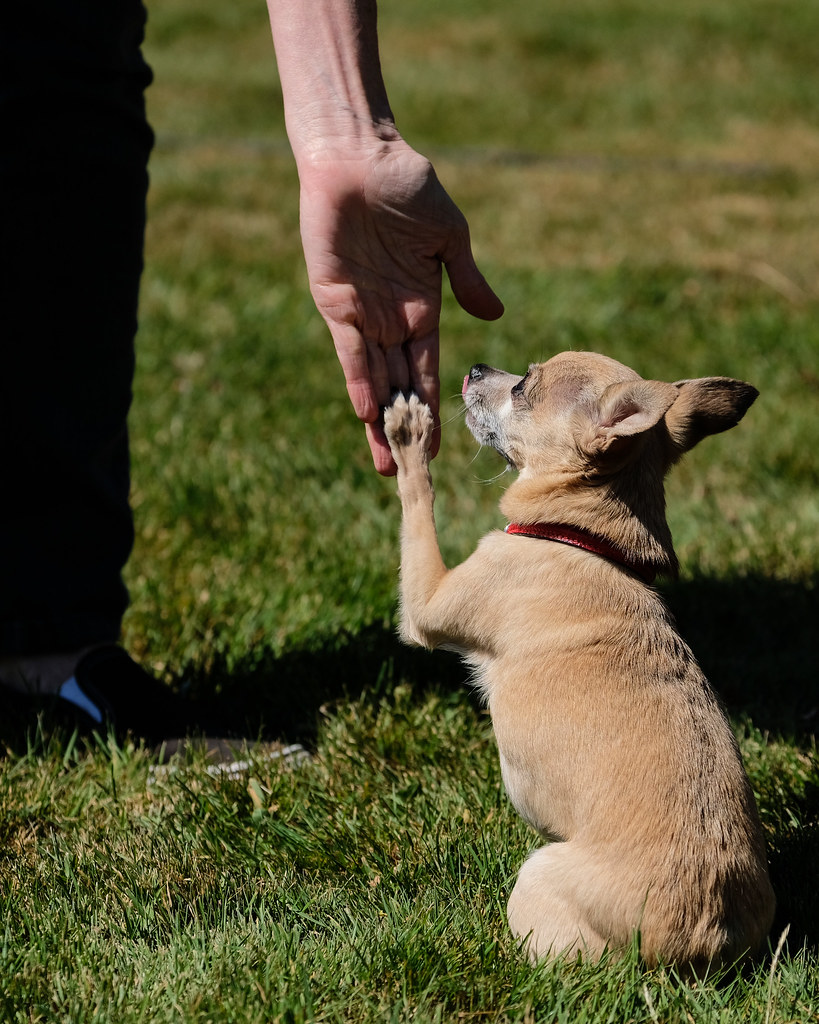
Trick training and mental stimulation are crucial for the overall well-being of your Chihuahua. As an owner, it is important to engage your Chihuahua in various tricks and activities to keep their minds sharp and prevent boredom. Regular training sessions not only provide mental stimulation but also strengthen the bond between you and your furry friend. By teaching your Chihuahua new tricks, you are giving them a sense of accomplishment and boosting their confidence. Additionally, mental stimulation can help alleviate behavioral issues such as excessive barking or destructive chewing. So, make sure to dedicate time every day for trick training and mental exercises to keep your Chihuahua happy and healthy.
Agility training for Chihuahuas
Agility training is an essential part of exercising for Chihuahuas. It helps them develop their physical strength, coordination, and mental agility. Chihuahuas are naturally energetic and agile, and agility training allows them to channel their energy in a productive and fun way. By setting up obstacle courses and teaching them to navigate through tunnels, weave through poles, and jump over hurdles, Chihuahuas can improve their overall fitness and endurance. Regular agility training sessions not only keep them physically fit but also provide mental stimulation, preventing boredom and destructive behavior. So, if you want to keep your Chihuahua happy and healthy, make sure to incorporate agility training into their exercise routine.
Advanced obedience training
Advanced obedience training is crucial for the development and well-being of your Chihuahua. It goes beyond basic commands and focuses on more complex behaviors and tasks. One important aspect of advanced obedience training is corgi socialization. Socializing your Chihuahua with other dogs, especially corgis, helps them become more comfortable and confident in various social settings. This can prevent behavioral issues and ensure that your Chihuahua is well-behaved around other animals and people. When it comes to corgi socialization, it is important to start early and expose your Chihuahua to different environments, sounds, and experiences. This will help them develop positive associations and build strong social skills. Additionally, incorporating positive reinforcement techniques and rewards can make the training process more enjoyable and effective. By prioritizing advanced obedience training and corgi socialization, you can help your Chihuahua become a well-rounded and confident companion.
Tips for Successful Chihuahua Training
Patience and consistency
When it comes to training your Chihuahua, patience and consistency are key. Chihuahuas are known for their stubbornness, so it's important to remain calm and patient throughout the training process. Consistency is also crucial, as Chihuahuas thrive on routine and repetition. By setting clear expectations and consistently reinforcing desired behaviors, you can help your Chihuahua understand what is expected of them. Remember to use positive reinforcement, such as treats and praise, to reward good behavior. With patience and consistency, you can successfully train your Chihuahua and build a strong bond with them.
Using rewards and positive reinforcement
Using rewards and positive reinforcement is a highly effective method for training your Chihuahua. By offering rewards such as treats, praise, and playtime, you can motivate your dog to learn and obey commands. Positive reinforcement involves rewarding your Chihuahua immediately after they exhibit the desired behavior, reinforcing the connection between the action and the reward. This method not only encourages good behavior but also strengthens the bond between you and your Chihuahua. It is important to identify the behaviors you want to reinforce and consistently reward them to ensure successful training.
Seeking professional help if needed
If you are struggling to train your Chihuahua on your own, seeking professional help can be a great option. A professional dog trainer can provide guidance and expertise to help you overcome any training challenges you may be facing. They can assess your Chihuahua's behavior and temperament, and recommend personalized training techniques based on their findings. Additionally, they may also conduct a personality test to better understand your Chihuahua's unique traits and tailor the training program accordingly. By working with a professional, you can ensure that you are using effective training methods and addressing any specific needs your Chihuahua may have.


