Introduction
The importance of trust and communication in the human-dog relationship
Trust and communication are the foundation of a strong and fulfilling human-dog relationship. Without trust, it is difficult to build a bond with your dog based on mutual understanding and respect. Communication, on the other hand, is essential for conveying your expectations, desires, and emotions to your furry companion. It is through effective communication that you can establish boundaries, teach new behaviors, and address any issues that may arise. Developing trust and communication with your dog takes time and effort, but the rewards are immeasurable. By investing in building trust and open lines of communication, you can create a deep and meaningful connection with your canine companion.
Understanding the unique bond between humans and Vizslas
Vizslas are a breed of dog known for their strong bond with humans. Understanding the unique bond between humans and Vizslas is essential for developing trust and communication with these dogs. Vizslas are highly affectionate and thrive on human companionship. They are often referred to as “velcro dogs” because they love to be by their owners' side at all times. This deep bond is rooted in the breed's history as a hunting companion, where they would work closely with their human handlers. Vizslas are incredibly loyal and will go to great lengths to protect and please their owners. Building a strong bond with a Vizsla requires time, patience, and consistent training. It is important to establish yourself as the pack leader and provide them with plenty of mental and physical stimulation. By understanding and nurturing this unique bond, you can create a lifelong partnership with your Vizsla.
The benefits of developing trust and communication with your Vizsla
Developing trust and communication with your Vizsla can have numerous benefits for both you and your furry companion. One of the key benefits is the establishment of a strong bond between you and your dog. When you invest time and effort into building trust and communication, you create a foundation of mutual understanding and respect. This bond allows for a deeper connection and enhances the overall quality of your relationship. Additionally, developing trust and communication with your Vizsla can improve obedience and training outcomes. When your dog feels secure and understood, they are more likely to respond positively to your commands and guidance. This leads to a more harmonious and enjoyable training experience. Lastly, trust and communication are crucial for addressing behavioral issues. By establishing trust, you can better understand the underlying causes of any problematic behaviors and work together to find appropriate solutions. Overall, the benefits of developing trust and communication with your Vizsla are immense and contribute to a happier and healthier relationship.
Understanding Vizslas
History and characteristics of Vizslas
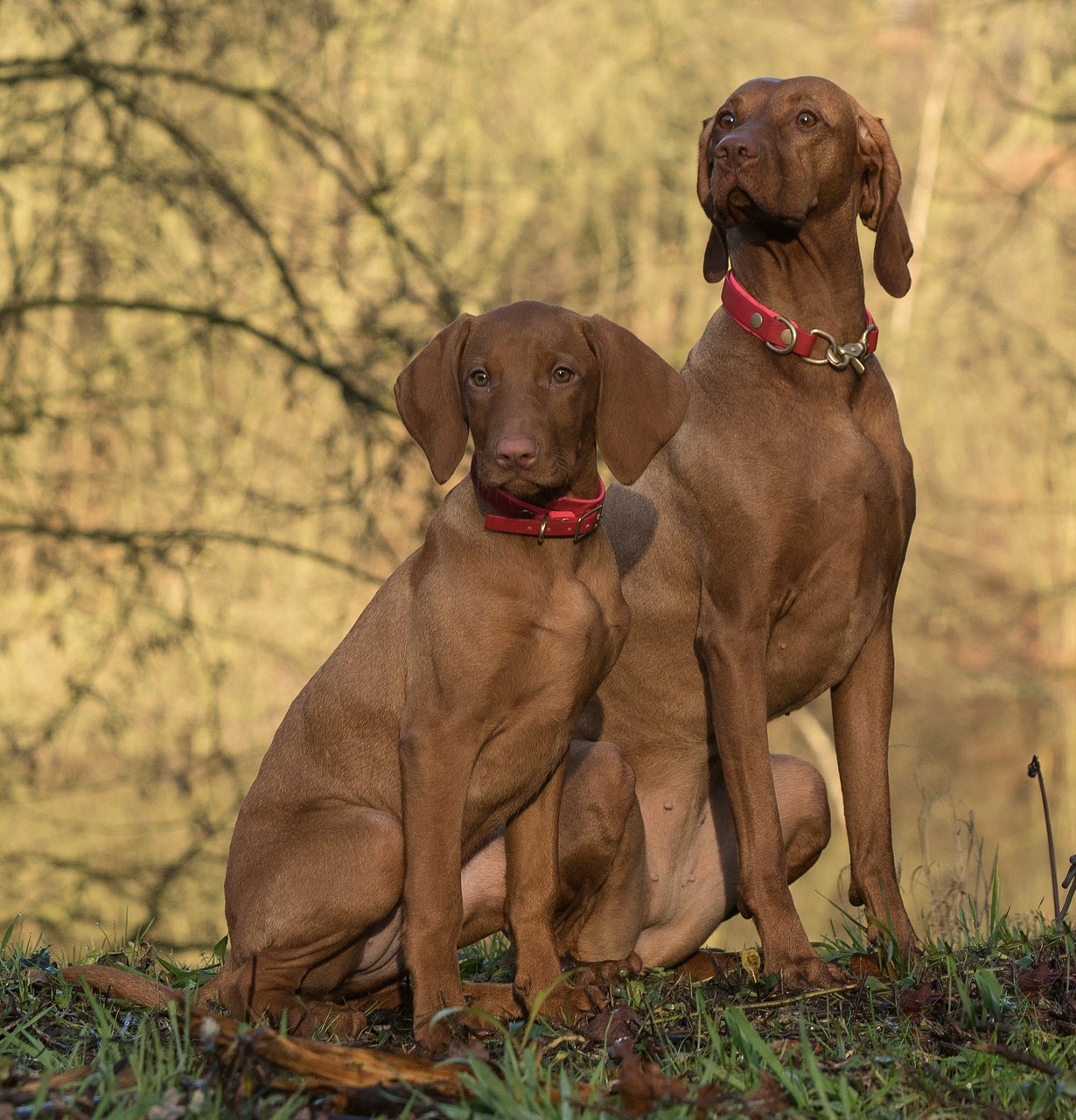
Vizslas have a rich history that dates back several centuries. They originated in Hungary and were initially bred as hunting dogs. Known for their exceptional hunting skills, Vizslas were used to track and retrieve game, including birds and small mammals. Their keen sense of smell and high energy levels make them excellent hunting companions. Vizslas are medium-sized dogs with a sleek and muscular build. They have a short, dense coat that comes in various shades of golden rust. With their elegant appearance and friendly disposition, Vizslas have become popular as both hunting dogs and family pets.
Vizslas as a breed: temperament and behavior
Vizslas are known for their friendly and affectionate temperament. They are often referred to as “Velcro dogs” because of their tendency to stick close to their owners. This breed is highly intelligent and eager to please, which makes them relatively easy to train. Vizslas are also known for their high energy levels and need for regular exercise. They excel in various activities such as agility, obedience, and hunting. However, it is important to note that Vizslas can be sensitive and may become anxious or destructive if not given enough mental and physical stimulation. Proper socialization and consistent training are key to developing a well-behaved Vizsla.
Common challenges in training Vizslas
Training Vizslas can be a rewarding experience, but it also comes with its fair share of challenges. One common challenge is their high energy levels. Vizslas are an active breed that requires plenty of exercise and mental stimulation to prevent boredom and destructive behavior. Another challenge is their sensitivity. Vizslas are known for being sensitive to their owner's emotions and can easily become anxious or stressed if not handled with care. Additionally, Vizslas are intelligent dogs that can be stubborn at times, making training sessions a bit more challenging. However, with patience, consistency, and positive reinforcement, these challenges can be overcome, and a strong bond can be developed between you and your Vizsla.
Building Trust with Your Vizsla
Establishing a consistent routine and environment
Establishing a consistent routine and environment is crucial in developing a strong bond with your Vizsla. Dogs thrive on routine and predictability, and by providing them with a stable environment, you are creating a sense of security and trust. A consistent routine includes regular feeding times, exercise schedules, and training sessions. This helps your Vizsla understand what is expected of them and reinforces positive behaviors. Additionally, maintaining a calm and peaceful environment at home is important for your Vizsla's overall well-being. Minimizing loud noises, creating a designated space for your dog, and providing them with their own bed or crate can help them feel safe and comfortable. By establishing a consistent routine and environment, you are laying the foundation for a strong and trusting relationship with your Vizsla.
Positive reinforcement training techniques
Positive reinforcement training techniques involve rewarding your dog for desired behaviors rather than punishing them for unwanted behaviors. This type of training focuses on positive experiences and rewards, such as treats, praise, and playtime, to encourage your dog to repeat the behaviors you want. By using positive reinforcement, you can build a strong bond with your dog based on trust and communication. It is important to be consistent and patient when using these techniques, as it may take time for your dog to understand and respond to the rewards. Remember to always reinforce good behavior and avoid using punishment or fear-based methods, as they can damage the bond between you and your dog.
Building a strong foundation of trust through bonding activities
Building a strong foundation of trust through bonding activities is essential for developing a deep and meaningful connection with your dog. By engaging in activities that promote bonding, such as daily walks, playtime, and training sessions, you can establish a sense of trust and mutual understanding. These activities not only provide physical exercise but also create opportunities for communication and socialization. It is important to be consistent and patient during these bonding activities, allowing your dog to feel safe and secure in your presence. By consistently showing love, respect, and positive reinforcement, you can strengthen the bond between you and your dog, leading to a harmonious and fulfilling relationship.
Effective Communication with Your Vizsla
Understanding Vizsla body language and vocalizations
Understanding Vizsla body language and vocalizations is key to developing a strong bond with your dog. Vizslas are known for their expressive body language and vocalizations, which can provide valuable insights into their emotions and needs. By paying attention to their body posture, tail position, ear movements, and facial expressions, you can better understand what your Vizsla is trying to communicate. Additionally, Vizslas have a wide range of vocalizations, including barks, whines, and growls, each with its own meaning. Learning to interpret these vocalizations can help you respond appropriately and strengthen the trust between you and your dog.
Using clear and consistent commands
Using clear and consistent commands is essential in training your Labrador Retriever. Dogs rely on verbal cues to understand what is expected of them, and using consistent commands helps them learn faster and prevents confusion. When teaching your Labrador Retriever new commands, make sure to use the same word or phrase consistently. For example, if you want your dog to sit, always use the word ‘sit' instead of ‘sit down' or ‘take a seat'. This clarity in commands helps your Labrador Retriever associate the word with the desired action. Additionally, using clear and consistent commands also helps build trust and communication between you and your dog. When your Labrador Retriever understands what you want from them and can respond to your commands reliably, it strengthens the bond between you and enhances your training sessions.
Developing a mutual understanding through active listening
Developing a mutual understanding through active listening is crucial in building a strong bond with your dog. By actively listening to your dog's needs and cues, you can create a safe and trusting environment for them. This involves paying attention to their body language, vocalizations, and overall behavior. It is important to be patient and observant, as each dog has their own unique way of communicating. Additionally, engaging in fun activities with your poodle can further enhance your bond. Whether it's playing fetch, going for a walk, or participating in obedience training, these activities provide opportunities for both mental and physical stimulation. By actively listening and engaging in enjoyable activities, you can develop a mutual understanding and strengthen the bond with your poodle.
Overcoming Challenges in the Human-Vizsla Bond
Addressing separation anxiety and other behavioral issues
Addressing separation anxiety and other behavioral issues is crucial for building a strong bond with your Vizsla. Separation anxiety is a common problem among dogs, and Vizslas are no exception. It is important to understand the root causes of separation anxiety and work towards a solution that will help your dog feel more secure when you are not around. Additionally, other behavioral issues such as excessive barking, destructive chewing, and aggression can also hinder the development of trust and communication between you and your Vizsla. It is essential to address these issues with patience, consistency, and positive reinforcement training. By providing a safe and structured environment, seeking professional help if needed, and practicing separation exercises gradually, you can help your Vizsla overcome these challenges and strengthen your bond.
Dealing with fear and aggression in Vizslas
Dealing with fear and aggression in Vizslas is crucial for maintaining a healthy and harmonious relationship with your dog. While Vizslas are generally known for their friendly and affectionate nature, like any other breed, they can experience fear and exhibit aggressive behavior in certain situations. It is important to address these issues proactively to ensure the well-being of your Vizsla and the safety of those around them. By understanding the root causes of fear and aggression in Vizslas and implementing effective training and socialization techniques, you can help your dog overcome these challenges and develop a strong bond built on trust and communication.
Seeking professional help when needed
When it comes to seeking professional help for your dog, it's important to remember that you are not alone. There are experts and professionals who specialize in dog behavior and training, and they can provide invaluable guidance and support. Whether you're dealing with behavioral issues, training challenges, or simply want to strengthen the bond with your dog, seeking professional help can make a world of difference. These professionals have the knowledge, skills, and experience to assess your dog's needs and develop a customized plan to address any concerns or difficulties. By reaching out to a professional, you can ensure that you're taking the right steps to help your dog and enhance your relationship. Remember, seeking professional help is not a sign of weakness or failure, but rather a proactive approach to ensure the well-being and happiness of both you and your furry friend.
Maintaining and Strengthening the Bond

Continuing training and socialization throughout the dog's life
Continuing training and socialization throughout the dog's life is crucial for maintaining a strong bond and effective communication. Dogs, like humans, are constantly learning and evolving, and it is important to provide them with ongoing opportunities for growth. By engaging in regular training sessions and exposing them to various social situations, we can help our dogs develop confidence, adaptability, and good behavior. This ongoing process ensures that our dogs remain well-behaved and responsive to our commands, while also fostering a deeper connection between us. It is worth noting that training and socialization should not be limited to the puppy stage but should continue throughout the dog's life to reinforce positive behaviors and prevent any potential issues from arising. By investing time and effort into their ongoing development, we can strengthen the trust and communication between ourselves and our beloved Vizslas.
Engaging in regular play and exercise
Engaging in regular play and exercise is crucial for building a strong bond with your Vizsla. These energetic dogs have a natural inclination for physical activities, and incorporating regular play sessions into their routine is essential for their mental and physical well-being. Whether it's a game of fetch in the backyard or a long hike in the woods, spending quality time engaging in physical activities with your Vizsla not only helps to burn off their excess energy but also strengthens the bond between you. Additionally, regular exercise helps to keep your Vizsla healthy and prevents behavioral issues that may arise from pent-up energy. By engaging in regular play and exercise, you are not only providing your Vizsla with the physical stimulation they need but also creating opportunities for trust and communication to flourish.
Creating opportunities for quality bonding time
Creating opportunities for quality bonding time is crucial for developing a strong and trusting relationship with your dog. Spending time together engaged in activities that both you and your dog enjoy can help to build a deep connection. Whether it's going for long walks, playing interactive games, or simply cuddling on the couch, these moments create lasting memories and strengthen the bond between you and your furry friend. By prioritizing quality bonding time, you are not only enhancing your dog's well-being but also fostering a sense of companionship and understanding. So, make sure to set aside dedicated time each day for bonding with your dog and watch as your relationship flourishes.