Are you considering getting a Pomeranian-Pitbull mix? Understanding their traits and temperament is crucial. This article will provide you with valuable insights into the physical characteristics, personality traits, training, socialization, and interactions with other animals of this unique breed.
By gaining a deeper understanding of their temperament, you'll be better equipped to provide the care and environment they need to thrive. So, let's dive in and unravel the mysteries of the Pomeranian-Pitbull mix together!
Physical Characteristics of the Pomeranian-Pitbull Mix
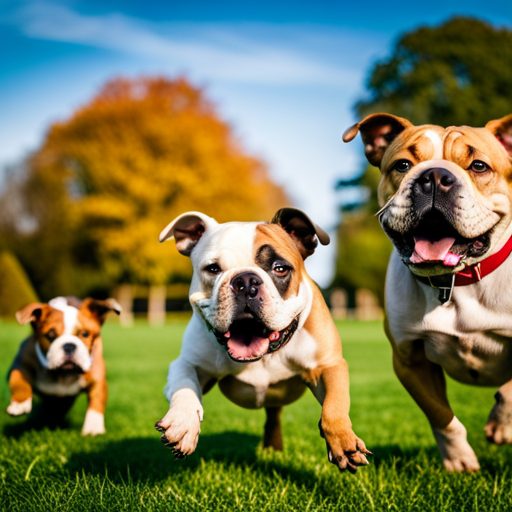
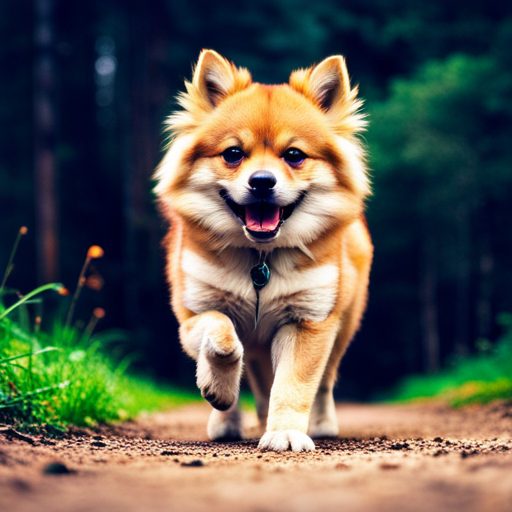
You should know that the Pomeranian-Pitbull mix usually has a few physical characteristics of both breeds. When it comes to size, the Pomeranian-Pitbull mix can vary. Some may be closer in size to a Pomeranian, while others may take after the Pitbull side and be larger. On average, they tend to fall somewhere in between, being medium-sized dogs.
As for coat colors, the Pomeranian-Pitbull mix can inherit a wide range of colors from both parent breeds. You may see coat colors such as black, brown, white, tan, brindle, or even a combination of these. The coat may also have different patterns, depending on the specific genes inherited.
It's important to note that the exact size and coat colors of a Pomeranian-Pitbull mix can vary from dog to dog, as they're a mixed breed. However, it's safe to say that they typically possess a unique blend of characteristics from both the Pomeranian and Pitbull breeds.
Personality Traits of the Pomeranian-Pitbull Mix
It's important to consider the personality traits that a Pomeranian-Pitbull mix can exhibit when adopting one as a pet. This unique mix can result in a wide range of temperaments, making it essential to understand the potential challenges and necessary behavior management techniques.
The Pomeranian-Pitbull mix may inherit the Pomeranian's alertness and intelligence, as well as the Pitbull's loyalty and protectiveness. However, they can also display a stubborn streak, which may require consistent and patient training. Socialization is crucial to prevent aggression towards other animals or strangers, as the Pitbull's protective instincts can be prominent in this mix.
Due to their high energy levels, regular exercise is essential to prevent destructive behavior. Mental stimulation, such as puzzle toys and training sessions, can also help keep them engaged. Positive reinforcement methods are highly recommended, as these dogs respond well to rewards and praise.
It's important to note that individual personalities can vary within this mix, so it's crucial to spend time with the dog before adoption to assess their temperament. Proper behavior management and training, along with love and care, can help ensure a happy and well-adjusted Pomeranian-Pitbull mix as a beloved family pet.
Training and Socialization for the Pomeranian-Pitbull Mix
When training and socializing your Pomeranian-Pitbull mix, be consistent with commands and use positive reinforcement to encourage desired behaviors. The Pomeranian-Pitbull mix is a unique breed that combines the characteristics of both the Pomeranian and the Pitbull. They're known for their intelligence, loyalty, and energetic nature. Training and socialization are crucial to ensure that they grow up to be well-behaved and friendly dogs.
Consistency is key when training your Pomeranian-Pitbull mix. Use the same commands consistently and make sure everyone in the household is on the same page. This will help your dog understand what's expected of them and minimize confusion. Positive reinforcement is also essential. Reward your dog with treats, praise, and affection when they display desired behaviors. This will motivate them to repeat those behaviors in the future.
Socialization is equally important for your Pomeranian-Pitbull mix. Introduce them to various people, animals, and environments from an early age. This will help them become comfortable and confident in different situations. Take them on walks, visit dog parks, and arrange playdates with other dogs. This will enable them to develop proper social skills and prevent them from becoming fearful or aggressive.
Interactions With Other Animals for the Pomeranian-Pitbull Mix
Make sure to supervise your Pomeranian-Pitbull mix during interactions with other animals to ensure their safety and prevent any potential conflicts. Introducing your Pomeranian-Pitbull mix to other pets can be a rewarding and enjoyable experience, but it's important to manage any aggression that may arise.
When introducing your Pomeranian-Pitbull mix to other pets, it's crucial to start with a controlled and calm environment. Begin by allowing them to sniff each other through a barrier, such as a baby gate, to gauge their reactions. If both animals seem comfortable, you can proceed to a supervised face-to-face interaction. Keep a close eye on their body language and intervene if any signs of aggression arise, such as raised hackles or growling.
To manage aggression in your Pomeranian-Pitbull mix, it's essential to establish yourself as the pack leader and set clear boundaries. Consistent and positive reinforcement training can help your dog understand what's expected of them in social situations. Additionally, providing plenty of mental and physical stimulation through exercise and interactive toys can help alleviate any pent-up energy or frustration that may contribute to aggressive behavior.
Understanding the Temperament of the Pomeranian-Pitbull Mix
To fully understand the temperament of your Pomeranian-Pitbull mix, observe their behavior in different situations and take note of both their reactions and their body language.
The Pomeranian-Pitbull mix can have a unique temperament due to its mixed heritage. It's important to be aware of any temperament challenges that may arise and to handle aggression appropriately.
When it comes to temperament challenges, it's crucial to remember that each Pomeranian-Pitbull mix is an individual and may display different behaviors. Some may be more reserved and cautious, while others may be more outgoing and friendly. By observing their behavior in various situations, such as meeting new people or encountering unfamiliar dogs, you can gain insight into their temperament and how they react to different stimuli.
Handling aggression in a Pomeranian-Pitbull mix requires patience and understanding. It's essential to address any signs of aggression early on and seek professional guidance if needed. Training and socialization are key in preventing aggressive behaviors from developing. Positive reinforcement techniques can be effective in teaching your dog appropriate behavior and redirecting any aggressive tendencies.
Frequently Asked Questions
How Much Exercise Does a Pomeranian-Pitbull Mix Need on a Daily Basis?
To keep a Pomeranian-Pitbull mix active, you should understand their exercise requirements. They need regular physical activity to stay healthy and happy. Make sure you provide them with enough exercise every day.
Are Pomeranian-Pitbull Mixes Prone to Any Specific Health Issues?
Pomeranian-Pitbull mixes may be prone to specific health issues. It's important to be aware of these potential concerns and provide the necessary care. Regular exercise is also crucial for their overall well-being.
What Is the Average Lifespan of a Pomeranian-Pitbull Mix?
The average lifespan of a Pomeranian-Pitbull mix is around 12 to 16 years. They are energetic dogs that require regular exercise to stay happy and healthy.
Do Pomeranian-Pitbull Mixes Require Any Special Grooming or Maintenance?
Pomeranian-Pitbull mixes do require special grooming and maintenance. Their thick coats need regular brushing to prevent matting, and they may need professional grooming to keep their fur in top shape.
Are Pomeranian-Pitbull Mixes Suitable for Families With Children?
Pomeranian-Pitbull mixes can be suitable for families with children. Use positive reinforcement training techniques to introduce them to the household. Socialize them early with other pets in the family for a harmonious environment.
Conclusion
In conclusion, the Pomeranian-Pitbull mix is a unique and fascinating breed with a mix of physical and personality traits from both parent breeds. They have a distinctive appearance and require proper training and socialization to ensure they grow into well-rounded and friendly dogs.
While they may have a strong prey drive, with the right socialization, they can get along well with other animals. Understanding their temperament is crucial in providing them with a loving and fulfilling life.