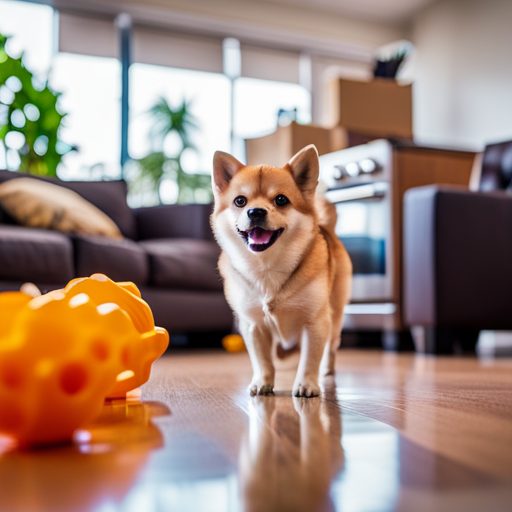
Are you considering getting a Pomeranian Shiba Inu mix dog?
Before you bring one home, it's important to be aware of the potential health considerations for this unique breed. From genetic predispositions to dental issues, joint and bone problems, and skin and coat concerns, there are several aspects to keep in mind.
Additionally, eye and ear health should also be taken into consideration.
Stay informed and ensure the well-being of your furry friend with these important health considerations.
Genetic Predispositions to Be Aware of
Are you aware of any genetic predispositions that your Pomeranian Shiba Inu mix might have? It's important to understand that mixed breed dogs can inherit certain health conditions from their parent breeds. In the case of a Pomeranian Shiba Inu mix, there are a few hereditary diseases that you should be aware of.
One common condition is patellar luxation, which is the dislocation of the kneecap. This can cause pain and difficulty in walking for your dog. Another potential issue is hip dysplasia, which is the abnormal formation of the hip socket. This can lead to arthritis and mobility problems. Additionally, both Pomeranians and Shiba Inus are prone to dental problems, so it's crucial to maintain proper dental hygiene for your mix.
Moving on to exercise requirements, Pomeranian Shiba Inu mixes are generally active and energetic dogs. They require regular physical activity to stay healthy and happy. Daily walks and playtime in a secure, fenced-in area are recommended. However, it's important to avoid overexertion, especially in hot weather, as these dogs can be prone to overheating.
Potential Dental Issues in Pomeranian Shiba Inu Mixes
You may be surprised to learn that dental issues can potentially be a concern for Pomeranian Shiba Inu mixes. Just like humans, dogs can also suffer from potential dental problems if proper oral hygiene maintenance isn't practiced. These adorable mixed breeds are prone to dental issues such as gum disease, tooth decay, and bad breath.
It's important to take proactive steps in caring for their dental health. Regular brushing of your Pomeranian Shiba Inu mix's teeth is crucial in preventing potential dental problems. Using a dog toothbrush and toothpaste specially formulated for dogs, gently brush their teeth at least two to three times a week. This will help remove plaque and tartar buildup, reducing the risk of gum disease and tooth decay.
In addition to regular brushing, providing dental treats and toys can also help maintain your furry friend's oral hygiene. Chewing on these items can help remove plaque and tartar, promoting healthier teeth and gums. However, it's important to choose dental treats and toys that are appropriate for their size and chewing habits.
Regular check-ups with a veterinarian are also essential to monitor your Pomeranian Shiba Inu mix's dental health. They can perform professional cleanings, identify any potential dental issues, and provide appropriate treatment if needed.
Common Joint and Bone Problems in This Breed
If your Pomeranian Shiba Inu mix experiences joint and bone problems, it's important to seek veterinary care for proper diagnosis and treatment. Hip dysplasia and arthritis are common issues that can affect this breed, causing discomfort and limiting their movement.
Hip dysplasia occurs when the hip joint is improperly formed, leading to misalignment and wear and tear on the joint. This condition can be hereditary, so it's essential to choose a reputable breeder who screens for hip dysplasia in their breeding dogs.
Arthritis, on the other hand, is a degenerative joint disease that can develop over time or as a result of an injury. It causes inflammation, pain, and stiffness in the joints, making it difficult for your furry friend to move around comfortably.
If you notice any signs of joint or bone problems, such as limping, difficulty getting up or lying down, or a reluctance to move, it's crucial to consult your veterinarian. They'll perform a thorough examination, possibly including X-rays, to diagnose the issue and recommend appropriate treatment options.
Early intervention and proper management can help improve your dog's quality of life and alleviate their discomfort. So, don't hesitate to seek veterinary care if you suspect any joint or bone problems in your Pomeranian Shiba Inu mix.
Skin and Coat Concerns in Pomeranian Shiba Inu Mixes
Sometimes, your Pomeranian Shiba Inu mix may experience skin and coat concerns, but regular grooming and a proper diet can help maintain their overall health and appearance.
One common issue that these dogs may face is dry skin. Dry skin can be caused by various factors such as environmental conditions, allergies, or a lack of essential nutrients. To combat this, make sure to provide your furry friend with a balanced diet that includes omega-3 fatty acids, which are known to improve skin health. Additionally, regular brushing can help remove dead skin cells and distribute natural oils, keeping their coat healthy and moisturized.
Another concern that Pomeranian Shiba Inu mixes may experience is shedding problems. These dogs have a thick double coat that requires proper maintenance. Regular brushing is essential to remove loose fur and prevent matting. This not only helps reduce shedding but also promotes healthy hair growth. You can also consider adding supplements like biotin to their diet, as it can strengthen the hair follicles and reduce excessive shedding.
Eye and Ear Health Considerations for This Unique Mix
Make sure to regularly inspect your Pomeranian Shiba Inu mix's eyes and ears to ensure they're healthy and free from any infections or irritations. Preventing eye and ear infections is essential for maintaining your furry friend's overall well-being. Proper grooming techniques play a crucial role in maintaining eye and ear health.
When it comes to your Pomeranian Shiba Inu mix's eyes, check for any redness, discharge, or excessive tearing. These could be signs of infection or irritation. To prevent such issues, gently wipe the area around the eyes with a damp cloth to remove any dirt or debris. Avoid using harsh chemicals or soaps, as they can irritate the sensitive eye area.
Similarly, it's important to pay attention to your dog's ears. Regularly check for any signs of redness, swelling, or a foul odor. These could indicate an ear infection. To keep your dog's ears clean, use a gentle ear cleaning solution recommended by your veterinarian. Gently wipe the outer part of the ear, being careful not to go too deep into the ear canal.
Frequently Asked Questions
Are Pomeranian Shiba Inu Mixes Prone to Obesity?
Pomeranian Shiba Inu mixes can be prone to obesity. To prevent this, make sure to give them enough exercise and feed them a recommended diet. Keeping them active and watching their food intake is important.
How Often Should I Brush My Pomeranian Shiba Inu Mix's Teeth?
You should brush your Pomeranian Shiba Inu mix's teeth regularly to maintain good dental hygiene. It is important to take care of their teeth to prevent dental issues and keep their overall health in check.
What Are Some Common Allergies That Pomeranian Shiba Inu Mixes May Have?
Common allergies that Pomeranian Shiba Inu mixes may have include food sensitivities and environmental allergens. It's important to be aware of these potential allergens and take necessary precautions to keep your dog healthy.
Can Pomeranian Shiba Inu Mixes Develop Hip Dysplasia?
Yes, Pomeranian Shiba Inu mixes can develop hip dysplasia. To prevent it, you should focus on exercises that strengthen their hip muscles. Regular walks and low-impact activities are recommended.
How Often Should I Clean My Pomeranian Shiba Inu Mix's Ears?
To maintain your Pomeranian Shiba Inu mix's ear health, clean their ears regularly. The cleaning frequency depends on factors like activity level and earwax buildup. Consult your vet for specific guidance.
Conclusion
In conclusion, when considering the health of Pomeranian Shiba Inu mixes, it's important to be aware of their genetic predispositions. This includes potential dental issues, common joint and bone problems, as well as skin and coat concerns. Additionally, eye and ear health should be taken into consideration for this unique mix.
By being informed about these health considerations, owners can better care for their Pomeranian Shiba Inu mix and ensure their overall well-being.


