Overview
Introduction to Bullmastiffs
Bullmastiffs are often misunderstood and surrounded by myths. In this article, we aim to debunk these misconceptions and separate fact from fiction. Bullmastiffs are a loyal and protective breed, known for their gentle nature and strong bond with their families. They are often mistaken for being aggressive or dangerous due to their size and powerful appearance. However, with proper training and socialization, Bullmastiffs can be well-behaved and friendly companions. In this article, we will explore the truth behind common Bullmastiff myths and provide valuable insights for potential owners.
Common misconceptions about Bullmastiffs
Bullmastiffs are often misunderstood and surrounded by various misconceptions. One common misconception about Bullmastiffs is that they are aggressive and dangerous dogs. However, this is far from the truth. Bullmastiffs are actually gentle and loyal companions when properly trained and socialized. Another misconception is that Bullmastiffs require a large amount of exercise. While it is true that they are a large and powerful breed, Bullmastiffs are generally low-energy dogs and do not require excessive exercise. Additionally, some people believe that Bullmastiffs are not good with children. On the contrary, Bullmastiffs are known for their gentle and protective nature, making them great family pets. It is important to separate fact from fiction when it comes to Bullmastiffs, as they are truly wonderful and misunderstood dogs.
Importance of debunking myths
Debunking myths surrounding the Bullmastiff breed is of utmost importance in order to provide accurate information to potential owners and enthusiasts. By separating facts from fiction, individuals can make informed decisions when it comes to choosing a pet. One of the key aspects to consider is what to look for in a Bullmastiff. It is essential to understand the breed's temperament, health issues, and exercise requirements. By addressing these misconceptions and providing reliable information, we can ensure that potential owners have a clear understanding of the Bullmastiff breed and can provide them with the care they need.
Myth 1: Bullmastiffs are aggressive
Understanding the breed's temperament
The Bullmastiff is a breed known for its gentle and affectionate temperament. Contrary to popular belief, they are not aggressive or dangerous dogs. They are actually quite calm and relaxed, making them great companions for families. However, it is important to understand the breed's temperament and provide them with the appropriate training and socialization. Bullmastiffs are intelligent and loyal, and they thrive in environments where they receive plenty of love and attention. They are also known for their protective nature, which makes them excellent guard dogs. It is essential to establish a strong bond with a Bullmastiff and provide them with regular exercise to keep them mentally and physically stimulated. Recommended games for active German Shepherds include interactive toys, agility courses, and scent work activities. These activities not only provide physical exercise but also stimulate their minds and fulfill their natural instincts. By engaging in these activities, German Shepherds can stay healthy, happy, and well-balanced.
Factors that contribute to aggression
Bullmastiffs are often misunderstood, and there are several factors that contribute to their reputation for aggression. One important factor to consider is the presence of existing pets in your home. While some Bullmastiffs can coexist peacefully with other animals, it is crucial to introduce them properly and monitor their interactions. It is also essential to provide proper socialization and training to prevent any potential conflicts. Understanding the unique temperament of the Bullmastiff breed and taking necessary precautions can help create a harmonious environment for both the dog and existing pets.
Training and socialization
Training and socialization are crucial for all dog breeds, including Bullmastiffs. These large and powerful dogs require consistent and positive training methods to ensure they become well-behaved and obedient pets. It is important to start training Bullmastiffs from a young age to establish good behavior patterns and prevent any potential behavioral issues. Socialization is also key for Bullmastiffs, as they need to be exposed to different people, animals, and environments to develop proper social skills. Chinese Crested Dogs training is another important aspect to consider when discussing training and socialization. These small and unique dogs require gentle and patient training techniques to build their confidence and trust. By providing them with positive reinforcement and consistent training, Chinese Crested Dogs can become well-adjusted and obedient companions.
Myth 2: Bullmastiffs are dangerous with children
Bullmastiffs as family dogs
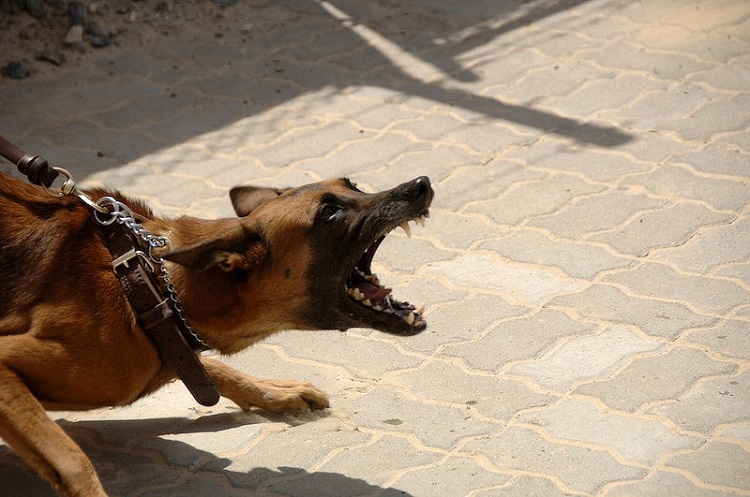
Bullmastiffs make excellent family dogs due to their loyal and protective nature. They are known for their gentle and patient temperament, making them great companions for children. Despite their large size, Bullmastiffs are surprisingly gentle and are often described as gentle giants. They form strong bonds with their families and are highly devoted. Bullmastiffs are also known for their protective instincts, which makes them excellent guard dogs. Their intimidating appearance and deep bark serve as a deterrent to potential intruders. However, it is important to note that proper training and socialization are essential to ensure that Bullmastiffs are well-behaved and obedient family pets.
Proper supervision and interaction
Proper supervision and interaction are crucial when it comes to becoming a Westie owner. It is important to always keep a close eye on your Westie, especially during the early stages of ownership. This will help establish a strong bond and trust between you and your pet. Regular interaction and playtime are also essential to keep your Westie mentally and physically stimulated. Remember to provide a safe and secure environment for your Westie to prevent any accidents or injuries. By practicing proper supervision and interaction, you can ensure a happy and healthy relationship with your Westie.
Educating children about dog safety
Educating children about dog safety is crucial to prevent dog-related accidents and promote responsible pet ownership. It is important to teach children how to approach and interact with dogs in a safe and respectful manner. One of the most important lessons is to never approach a dog without asking the owner for permission first. Children should also be taught to avoid disturbing a dog that is eating, sleeping, or caring for puppies. Additionally, it is essential to teach children to recognize signs of aggression or fear in dogs, such as growling, barking, or showing teeth. By educating children about dog safety, we can reduce the risk of dog bites and create a harmonious relationship between children and dogs.
Myth 3: Bullmastiffs require excessive exercise

Understanding the exercise needs of Bullmastiffs
Bullmastiffs are often misunderstood when it comes to their exercise needs. Contrary to popular belief, these gentle giants do not require excessive amounts of physical activity. While they do benefit from regular exercise, it is important to understand that Bullmastiffs are not high-energy dogs. Socializing, on the other hand, is a crucial aspect of their well-being. Bullmastiffs thrive when they have opportunities to interact with other dogs and people. It helps them develop good manners and prevents behavioral issues. Therefore, it is essential for Bullmastiff owners to prioritize socialization activities to ensure a happy and well-adjusted pet.
Balancing physical and mental stimulation
Balancing physical and mental stimulation is crucial for the overall well-being of a Bullmastiff. This breed is known for their strong and powerful physique, so it is important to provide them with regular exercise to keep them physically fit. However, it is equally important to engage their minds through mental stimulation. Bullmastiffs are intelligent dogs and need mental challenges to prevent boredom and destructive behavior. Interactive toys, puzzle games, and obedience training are great ways to keep their minds sharp. By finding the right balance between physical and mental stimulation, Bullmastiffs can lead happy and fulfilled lives.
Tailoring exercise routines to individual dogs
Exercise is an essential part of a dog's overall health and well-being. When it comes to tailoring exercise routines to individual dogs, it's important to consider their breed, age, and physical abilities. This is especially true for Bullmastiffs, a large and powerful breed. While they may have a calm and laid-back demeanor, Bullmastiffs still require regular exercise to maintain a healthy weight and prevent boredom. However, it's crucial to avoid overexertion, as excessive exercise can lead to joint problems and other health issues. Consulting with a veterinarian and a professional dog trainer can help determine the appropriate exercise routine for a Bullmastiff, taking into account their specific needs and limitations. By providing them with the right amount and type of exercise, Bullmastiffs can thrive both physically and mentally.
Myth 4: Bullmastiffs are difficult to train
Effective training methods for Bullmastiffs
Effective training methods are crucial for Bullmastiffs to ensure they grow into well-behaved and obedient companions. One of the most effective training methods for Bullmastiffs is positive reinforcement. This involves rewarding the dog for good behavior, such as following commands or displaying desired traits. Another important training method is consistency. Bullmastiffs respond well to a consistent and structured training routine. It is also important to socialize Bullmastiffs from a young age, exposing them to various environments, people, and other animals. This helps them develop good social skills and reduces the likelihood of behavioral issues. Additionally, using clear and concise commands during training sessions is essential for Bullmastiffs to understand and follow instructions. By employing these effective training methods, Bullmastiffs can become well-trained and well-adjusted pets.
Importance of consistency and positive reinforcement
Consistency and positive reinforcement are crucial when it comes to training a Bullmastiff. These two factors play a significant role in shaping their behavior and ensuring they grow up to be well-behaved and obedient dogs. Bullmastiffs are known for their intelligence and willingness to please their owners, making them highly trainable. By consistently using positive reinforcement techniques such as rewards, praise, and treats, owners can effectively communicate their expectations to their Bullmastiffs and reinforce desired behaviors. This helps establish a strong bond between the owner and the dog, creating a harmonious and respectful relationship. It is important to note that Bullmastiffs, like any other breed, require patience, consistency, and positive reinforcement to thrive in their training journey. With the right approach, owners can unlock the full potential of their Bullmastiffs and enjoy a loyal and well-behaved companion.
Working with professional trainers if needed
Working with professional trainers can be incredibly beneficial when it comes to training your Bullmastiff. These experts have the knowledge and experience to address any behavior or obedience issues that may arise. They can provide guidance on how to properly socialize your dog, establish boundaries, and reinforce positive behaviors. Additionally, professional trainers can help you navigate any challenges specific to the Bullmastiff breed, such as their strong protective instincts. By working with a trainer, you can ensure that your Bullmastiff receives the proper training and guidance it needs to thrive.
Myth 5: Bullmastiffs are not suitable for apartments
Adapting Bullmastiffs to apartment living
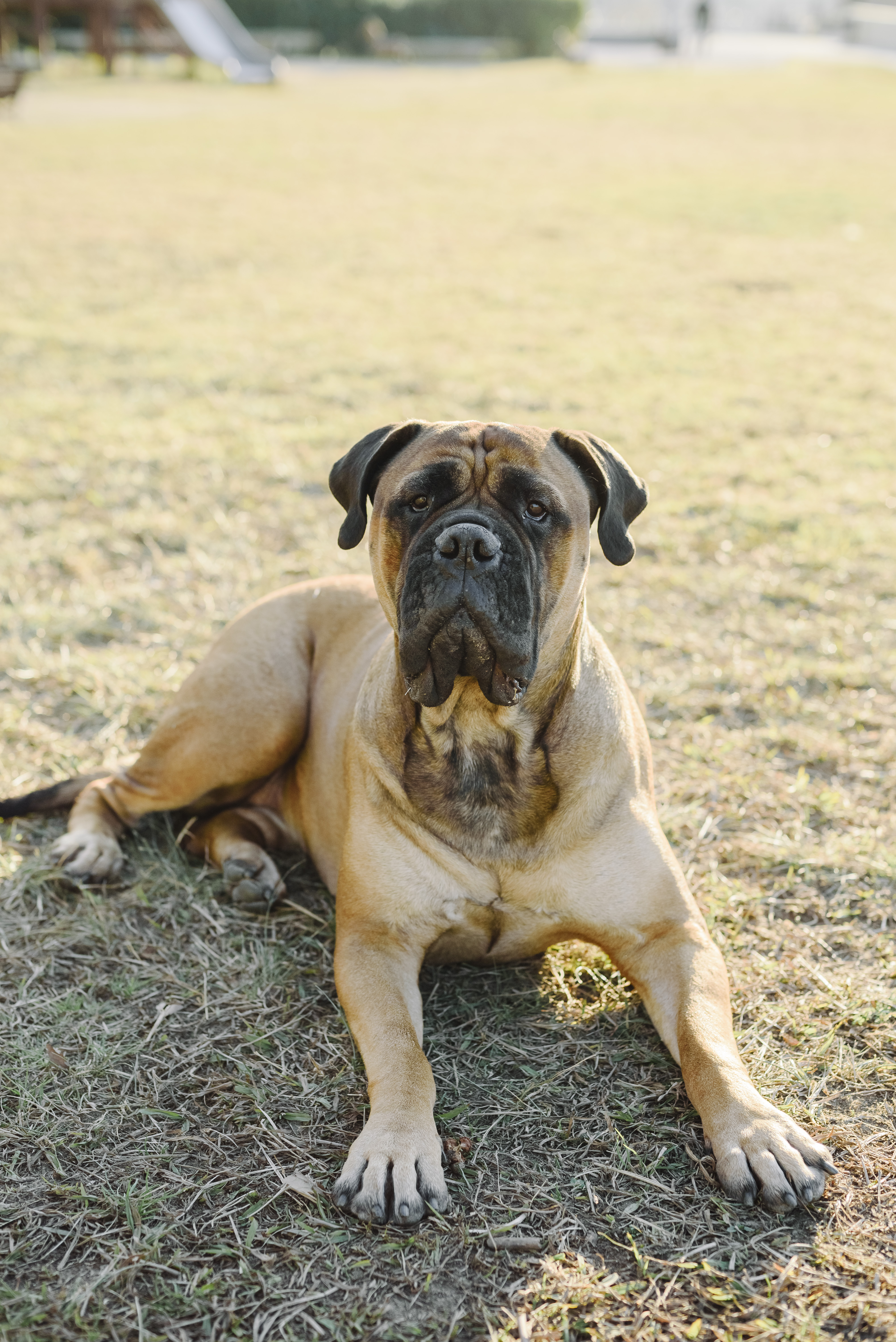
Living in an apartment with a Bullmastiff may seem like a challenge, but with the right approach, it can be a successful and fulfilling experience. Contrary to popular belief, Bullmastiffs can adapt well to apartment living as long as their needs are met. These gentle giants are known for their calm and laid-back nature, making them suitable for indoor living. However, it is important to provide them with enough exercise and mental stimulation to prevent boredom and destructive behavior. Regular walks, playtime, and puzzle toys can help keep them physically and mentally stimulated. Additionally, Bullmastiffs are not excessive barkers, which is an added advantage for apartment living. With proper training, socialization, and a comfortable living environment, Bullmastiffs can thrive in an apartment setting.
Providing adequate space and mental stimulation
Providing adequate space and mental stimulation is crucial for the well-being of Bullmastiffs. These large and powerful dogs require ample room to move around and explore. A fenced yard or a spacious living area is essential to accommodate their size and energy levels. In addition to physical space, Bullmastiffs also need mental stimulation to prevent boredom and destructive behaviors. Interactive toys, puzzle games, and training sessions can help keep their minds engaged and active. It is important to note that Bullmastiffs have sensitive skin, so proper grooming and regular check-ups are necessary to maintain their coat and prevent any skin issues. Providing a balanced diet with essential nutrients is also essential for their overall health and skin condition.
Establishing a routine and meeting their needs
Establishing a routine and meeting their needs is crucial for the well-being of Bullmastiffs. These majestic dogs thrive on consistency and structure, and it is essential to provide them with a daily routine that includes regular feeding, exercise, and socialization. By establishing a routine, Bullmastiffs feel secure and are less likely to develop behavioral issues. Meeting their needs involves ensuring they receive an adequate amount of exercise to prevent obesity and keep them physically fit. Additionally, socialization is key to their development, as Bullmastiffs are naturally protective and can become wary of unfamiliar people or situations. By gradually exposing them to different environments, people, and animals, their social skills can be enhanced, making them more well-rounded companions. It is important to note that while Bullmastiffs require a routine, it should be flexible enough to accommodate changes and adapt to their individual needs.
Myth 6: Bullmastiffs are prone to health issues
Common health concerns in Bullmastiffs
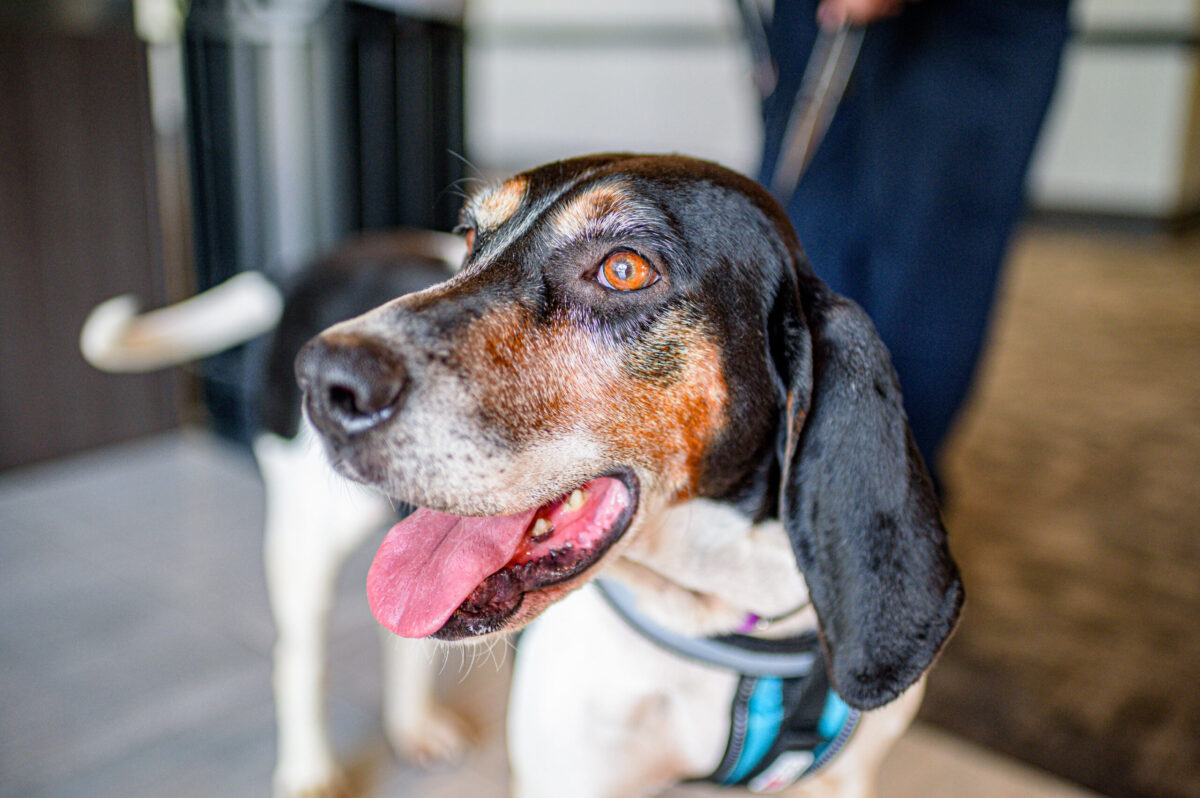
Bullmastiffs are generally a healthy breed, but like all dogs, they can be prone to certain health concerns. It is important for Bullmastiff owners to be aware of these potential issues and take appropriate measures to keep their dogs healthy. One common health concern in Bullmastiffs is hip dysplasia, a condition where the hip joint does not develop properly. This can cause pain and mobility issues for the dog. Another concern is bloat, a life-threatening condition where the stomach fills with gas and twists. Bullmastiffs are also susceptible to certain types of cancer, such as lymphoma. Regular veterinary check-ups, a balanced diet, and regular exercise can help prevent or manage these health concerns in Bullmastiffs.
Proactive measures for maintaining their health
When it comes to maintaining the health of Bullmastiffs, proactive measures are essential. Regular exercise is crucial for keeping them physically fit and preventing obesity. A balanced diet that meets their nutritional needs is also important. Regular veterinary check-ups are necessary to monitor their overall health and catch any potential issues early on. Additionally, proper grooming, including regular brushing and cleaning of their ears and teeth, is necessary to prevent infections. Finally, providing a safe and comfortable living environment, with ample space for them to move around and rest, is vital for their well-being.
Regular veterinary check-ups and proper nutrition
Regular veterinary check-ups and proper nutrition are crucial for the overall health and well-being of your Bullmastiff. It is important to schedule regular visits to the veterinarian to ensure that your dog is up to date on vaccinations and is free from any potential health issues. Additionally, a balanced and nutritious diet is essential for maintaining your Bullmastiff's optimal health. Providing your dog with high-quality dog food that is specifically formulated for their breed and age will help support their immune system, promote healthy growth, and prevent common health problems. By prioritizing regular veterinary check-ups and providing proper nutrition, you can ensure that your Bullmastiff remains happy and healthy for years to come.