Introduction
What is Chihuahua breeding?
Chihuahua breeding is the process of mating two Chihuahuas to produce offspring. It is a complex and delicate process that requires careful planning and consideration. Breeders must ensure that both dogs are healthy and free from any genetic diseases or abnormalities. Additionally, they must also consider the temperament and characteristics of both dogs to produce puppies that meet the breed standards. Chihuahua breeding can be challenging due to the small size of the breed, which can result in complications during pregnancy and delivery. However, with proper knowledge and experience, breeders can overcome these challenges and successfully produce healthy and well-rounded Chihuahuas.
Why is Chihuahua breeding popular?
Chihuahua breeding has become increasingly popular in recent years. There are several reasons why Chihuahua breeding has gained such popularity. Firstly, Chihuahuas are small in size, making them ideal for people living in apartments or small houses. Additionally, Chihuahuas are known for their adorable and unique appearance, with their large eyes and pointy ears. This distinct look has made them a favorite among dog lovers. Moreover, Chihuahuas are known for their lively and energetic personalities, which can be entertaining for their owners. Finally, Chihuahuas are relatively easy to care for and require minimal grooming. These factors combined have contributed to the rise in popularity of Chihuahua breeding.
The importance of responsible breeding
Responsible breeding is crucial for the well-being of Chihuahuas and the overall canine population. It ensures that only healthy and genetically sound dogs are used for reproduction, reducing the risk of passing on inherited diseases and health issues. Additionally, responsible breeding promotes responsible pet ownership by discouraging the breeding of Chihuahuas for profit or indiscriminate breeding. By focusing on quality rather than quantity, breeders can prioritize the health, temperament, and conformation of the Chihuahuas they produce. This helps maintain the breed's unique characteristics and prevents the proliferation of unhealthy or poorly bred Chihuahuas.
Choosing the Right Breeding Pair

Understanding the breed standards
Understanding the breed standards is crucial for anyone involved in Chihuahua breeding. These standards outline the ideal characteristics and appearance of the breed, ensuring that breeders strive to produce dogs that meet these criteria. By understanding the breed standards, breeders can make informed decisions when selecting dogs for breeding and can work towards improving the breed. It is important to note that breed standards may vary slightly between different kennel clubs or organizations, so it is essential for breeders to familiarize themselves with the specific standards of their chosen club or organization. Breeding Chihuahuas that adhere to the breed standards not only helps maintain the integrity of the breed but also ensures that the resulting puppies possess the desirable traits that make Chihuahuas unique and recognizable.
Health and genetic testing
When it comes to Chihuahua breeding, one of the crucial aspects to consider is the health and genetic testing. Ensuring the health of the breeding pair is essential to produce healthy puppies. Genetic testing can help identify potential genetic disorders or health issues that may be passed on to the offspring. By conducting thorough health and genetic testing, breeders can make informed decisions and take necessary precautions to prevent the transmission of hereditary diseases. It is recommended to work closely with a veterinarian and follow established breeding guidelines to promote the overall well-being of the Chihuahuas.
Temperament and behavior considerations
When it comes to Chihuahua breeding, it is essential to consider their temperament and behavior. Chihuahuas are known for their spirited and lively nature. They are often confident and fearless, despite their small size. However, it is important to note that Chihuahuas can also be prone to certain behavioral challenges. Some Chihuahuas may exhibit aggressive behavior towards other dogs or strangers, while others may be overly protective of their owners. It is crucial to socialize Chihuahuas from a young age to ensure they develop good behavior and manners. Additionally, Chihuahuas can be sensitive and easily startled, so it is important to create a calm and secure environment for them. Overall, understanding and addressing the temperament and behavior considerations of Chihuahuas is vital for successful breeding.
Preparing for Breeding
Creating a breeding plan
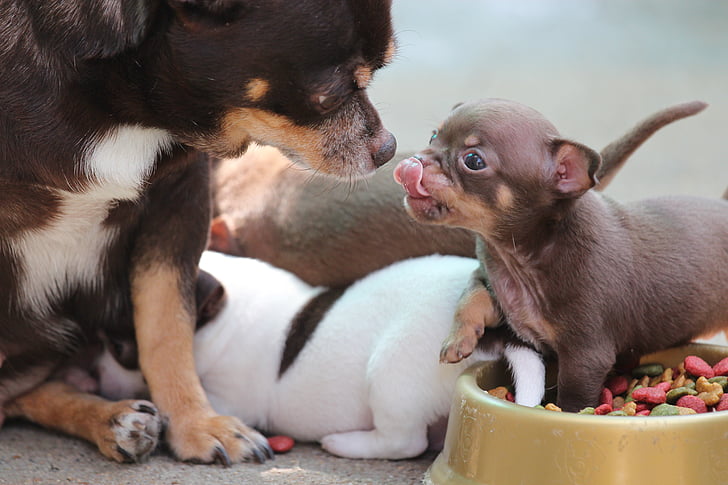
Creating a breeding plan is crucial for successful Chihuahua breeding. It involves careful consideration of various factors such as genetics, health, and temperament. A well-thought-out plan ensures that the breeding process is responsible and ethical. One of the key challenges in creating a breeding plan is selecting suitable mates that complement each other's strengths and weaknesses. It is important to choose dogs with good conformation and health records to avoid passing on genetic issues. Additionally, a breeding plan should include regular health screenings to ensure the overall well-being of the Chihuahuas involved. By following a comprehensive breeding plan, breeders can improve the breed's quality and maintain its unique characteristics.
Ensuring the health of the female Chihuahua
Breeding Chihuahuas can be a rewarding but challenging endeavor. Ensuring the health of the female Chihuahua is crucial for a successful breeding process. One of the most important aspects is to provide regular veterinary care to the female Chihuahua. This includes vaccinations, check-ups, and screenings for any potential health issues. Additionally, maintaining a balanced diet and exercise routine is essential to keep the female Chihuahua in optimal health. It is also important to carefully monitor the female Chihuahua's heat cycle to determine the ideal time for breeding. By taking these measures, breeders can increase the chances of a healthy and successful breeding outcome.
Preparing the breeding environment
Preparing the breeding environment is crucial for successful Chihuahua breeding. It involves creating a safe and comfortable space for the dogs to mate and for the female to give birth. One important aspect is ensuring that the area is clean and free from any potential hazards or contaminants. This includes removing any toxic plants, chemicals, or sharp objects that could harm the dogs or the puppies. Another important consideration is providing adequate space for the dogs to move around and exercise. This helps to promote their overall health and well-being, which is essential for successful breeding. Additionally, it is important to maintain a suitable temperature and humidity level in the breeding environment. Chihuahuas are sensitive to extreme temperatures, so it is important to keep the area at a comfortable level. Lastly, it is crucial to provide the dogs with a quiet and stress-free environment. Too much noise or disturbance can interfere with the breeding process and affect the health of the dogs and the puppies.
The Breeding Process

Recognizing the signs of heat
Recognizing the signs of heat in female Chihuahuas is crucial for successful breeding. During this period, which typically occurs every six to eight months, a female Chihuahua becomes receptive to mating and can become pregnant. One of the most noticeable signs of heat is a swollen vulva, which may also be accompanied by a bloody discharge. Additionally, female Chihuahuas in heat may exhibit changes in behavior, such as increased restlessness, frequent urination, and a heightened interest in male dogs. It is important for Chihuahua breeders to closely monitor their female dogs during this time to ensure proper care and prevent any accidental mating.
Introducing the male and female Chihuahua
When introducing the male and female Chihuahua, it is important to take certain precautions. Chihuahuas can be territorial and may display aggressive behavior towards unfamiliar dogs. It is recommended to introduce them in a neutral territory, such as a park or a friend's backyard. Keep them on a leash initially and observe their body language. If they show signs of aggression or discomfort, separate them and try again later. Gradually increase their interaction time and monitor their behavior closely. It is also crucial to ensure that both dogs are in good health and up to date on vaccinations before attempting to breed them. By following these precautions, you can help create a safe and stress-free environment for the male and female Chihuahua to get acquainted and potentially mate.
Monitoring the mating process
Monitoring the mating process is crucial for successful chihuahua breeding. It allows breeders to ensure that the mating is occurring at the right time and under optimal conditions. During this stage, breeders closely observe the female chihuahua for signs of receptivity and readiness to mate. They may also monitor the male chihuahua's behavior and libido to ensure he is capable of mating. Additionally, breeders may use techniques such as vaginal cytology and progesterone testing to determine the best time for mating. Outdoor adventures for dog lovers are a popular way to spend time with their beloved pets. These activities provide opportunities for exercise, socialization, and bonding. Whether it's hiking, camping, or simply exploring new places, dog owners can create unforgettable memories with their furry friends. To make the most of these adventures, it's important to ensure the safety and well-being of the dogs. This includes proper training, vaccinations, and equipment such as leashes, harnesses, and dog-friendly gear. By following these tips, dog lovers can enjoy exciting outdoor experiences with their chihuahuas while keeping them happy and healthy.
Common Challenges in Chihuahua Breeding
Infertility issues
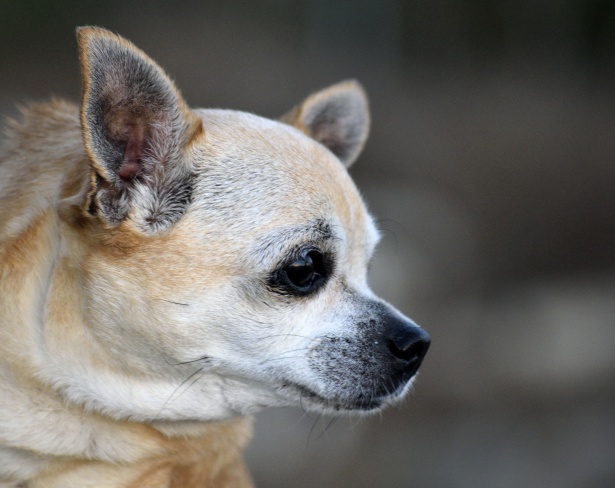
Infertility is a common concern among Chihuahua breeders. Many factors can contribute to infertility issues in Chihuahuas, including genetic disorders, hormonal imbalances, and reproductive organ abnormalities. It is important for breeders to be aware of these challenges and take necessary steps to address them. One of the most common causes of infertility in Chihuahuas is the presence of genetic disorders. These disorders can affect the reproductive organs and make it difficult for the dog to conceive. Hormonal imbalances can also lead to infertility, as they can disrupt the normal reproductive cycle. Additionally, reproductive organ abnormalities, such as malformed or underdeveloped organs, can prevent successful breeding. Breeders should work closely with veterinarians to diagnose and treat these issues. In some cases, fertility treatments or surgical interventions may be necessary to improve the chances of successful breeding. It is also important for breeders to carefully select breeding pairs to minimize the risk of infertility. By considering the health and genetic history of both the male and female Chihuahuas, breeders can increase the likelihood of producing healthy and fertile offspring.
Pregnancy complications
Pregnancy complications in Chihuahuas can be a challenging and worrisome experience for breeders. These small dogs are prone to a variety of issues during pregnancy, including preterm labor, gestational diabetes, and eclampsia. Preterm labor can result in the birth of underdeveloped puppies, while gestational diabetes can lead to difficulties in delivering the puppies. Eclampsia, also known as milk fever, is a condition that occurs when the mother's calcium levels drop dangerously low. It is important for breeders to closely monitor their Chihuahuas during pregnancy and seek veterinary care if any complications arise. By being aware of these potential challenges and taking proactive measures, breeders can increase the chances of a successful and healthy Chihuahua pregnancy.
Whelping difficulties
Whelping difficulties can be a challenging aspect of chihuahua breeding. It is important for breeders to be prepared for potential complications that may arise during the birthing process. Some common whelping difficulties include dystocia, which is the inability to deliver puppies naturally, and uterine inertia, where the contractions are weak or non-existent. These issues can be life-threatening for both the mother and the puppies, so it is crucial for breeders to closely monitor the whelping process and seek veterinary assistance if necessary. Additionally, breeders should have a whelping kit ready with essential supplies such as clean towels, lubricant, and a heating pad to ensure the comfort and safety of the mother and her puppies.
Tips for Successful Chihuahua Breeding
Working with a reputable breeder
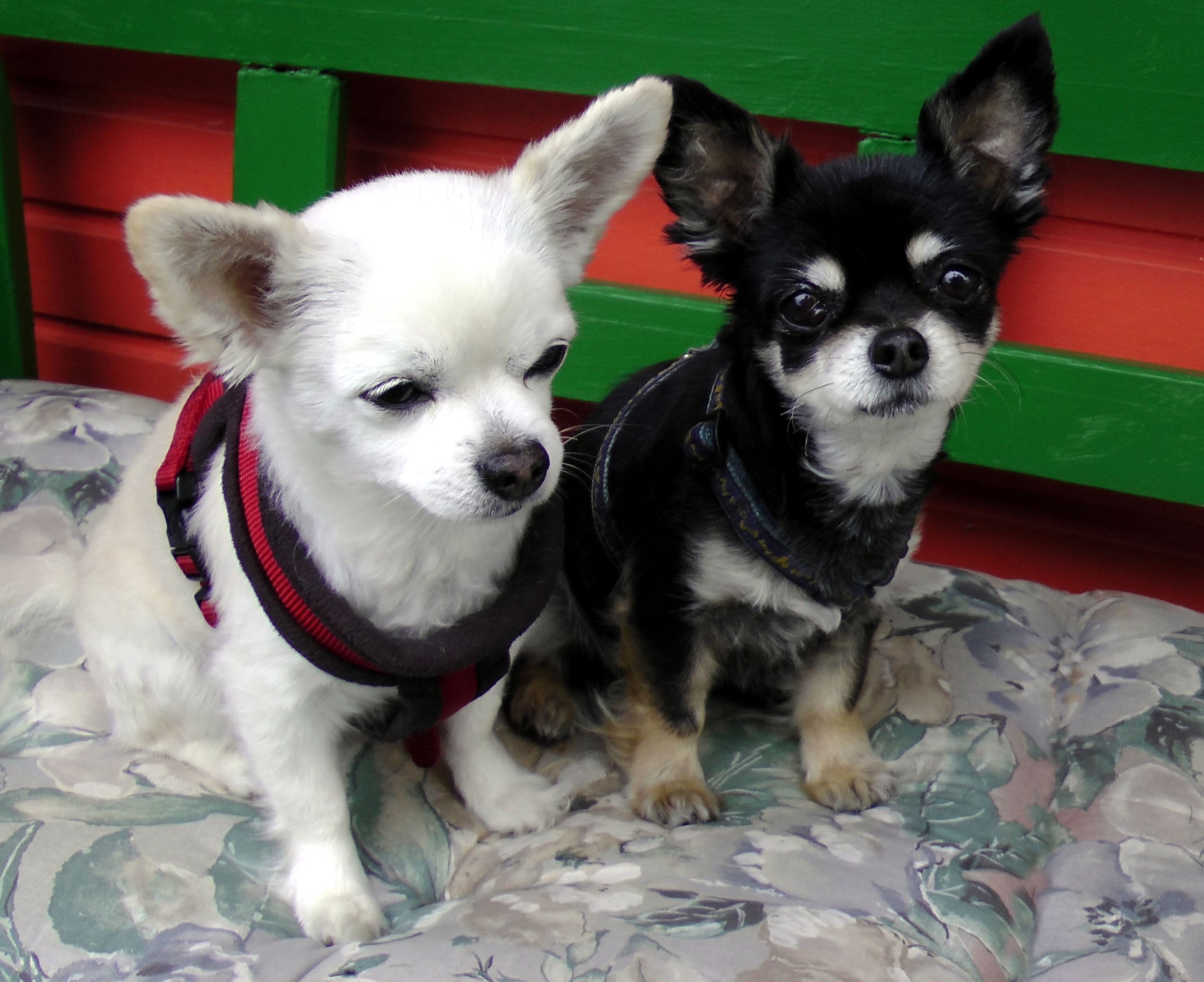
When it comes to working with a reputable breeder, there are a few key factors to consider. First and foremost, it is essential to do thorough research and find a breeder with a good reputation. This can be done by reading reviews, talking to other Chihuahua owners, and visiting the breeder's facilities. A reputable breeder will prioritize the health and well-being of their dogs, ensuring they are well-cared for and receive proper veterinary care. They will also be knowledgeable about the breed and able to provide guidance and support to new owners. Additionally, a reputable breeder will have a thorough screening process for potential buyers, ensuring that their puppies are placed in suitable and loving homes. By working with a reputable breeder, you can have peace of mind knowing that you are getting a healthy and well-adjusted Chihuahua.
Proper nutrition and care
Proper nutrition and care are crucial for the health and well-being of Chihuahuas. These small dogs have unique dietary needs that should be met to ensure their growth and development. It is important to provide them with a balanced diet that includes high-quality protein, carbohydrates, and essential vitamins and minerals. Chihuahuas are prone to dental problems, so it is recommended to feed them dry kibble instead of wet food to promote dental health. Additionally, portion control is essential to prevent obesity, as Chihuahuas are prone to weight gain. Regular exercise is also important to keep them active and maintain a healthy weight. Proper grooming is necessary to keep their coat clean and free from mats. Regular brushing and occasional baths are recommended. Lastly, Chihuahuas are sensitive to extreme temperatures, so it is important to provide them with appropriate shelter and protect them from hot and cold weather conditions.
Providing a stress-free environment
Creating a stress-free environment is crucial for successful Chihuahua breeding. Dogs are sensitive creatures, and any form of stress can have a negative impact on their reproductive health. To provide a stress-free environment, it is important to maintain a calm and quiet atmosphere in the breeding area. Avoid loud noises, excessive handling, and sudden changes in the environment. Additionally, ensure that the Chihuahuas have a comfortable and clean living space with access to fresh water and nutritious food. Regular exercise and socialization can also help reduce stress levels. By prioritizing the well-being and comfort of the Chihuahuas, breeders can increase the chances of successful breeding and healthy puppies.