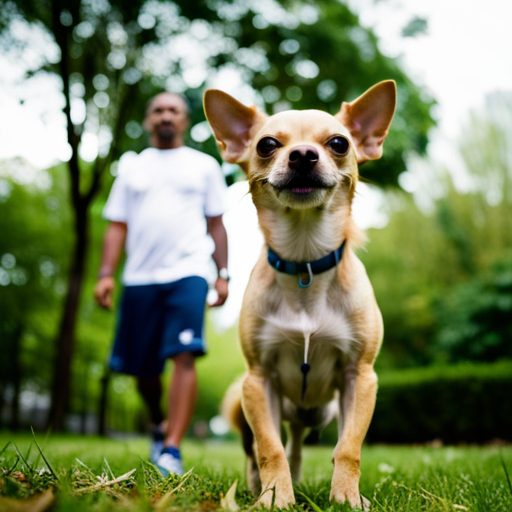
Are you struggling with your Chihuahua's aggression? Don't worry, you're not alone. This article is here to help you overcome those challenges and provide you with effective training tips and strategies.
By understanding the triggers, setting clear boundaries, and using positive reinforcement techniques, you can transform your Chihuahua's behavior.
Additionally, we'll explore the importance of socializing your furry friend and when it might be necessary to seek professional help.
Get ready to conquer Chihuahua aggression and create a happier, more harmonious relationship.
Understanding Chihuahua Aggression Triggers
You should be aware of the common triggers that can cause aggression in Chihuahuas. Understanding these triggers is essential in preventing aggressive behaviors and maintaining a safe environment for both your Chihuahua and those around them.
One of the early signs of aggression in Chihuahuas is growling or barking excessively. Pay attention to these warning signs as they can indicate that something is bothering your furry friend. It's important to address the issue before it escalates into a more aggressive behavior.
Common triggers for aggression in Chihuahuas include fear, territoriality, and resource guarding. Chihuahuas may become aggressive when they feel threatened or when they perceive someone or something as a threat to their territory or belongings. They can also display aggression when they feel the need to protect their food, toys, or even their favorite spot on the couch.
To prevent aggression, it's crucial to create a calm and safe environment for your Chihuahua. Avoid exposing them to situations or people that may trigger their aggression. Provide them with plenty of exercise and mental stimulation to reduce anxiety and stress. Additionally, early socialization and positive reinforcement training can help build their confidence and teach them appropriate behaviors.
Establishing Clear Boundaries and Rules
Make sure to establish clear boundaries and rules for your Chihuahua to promote a structured and well-disciplined environment. By setting expectations and implementing consistent discipline, you can help your Chihuahua understand what's acceptable behavior and what's not.
When it comes to setting expectations, it's important to be clear and consistent. Chihuahuas are intelligent dogs, but they can also be stubborn. Clearly communicate what behaviors are allowed and what behaviors are not. For example, if you don't want your Chihuahua to jump on furniture, consistently enforce the rule by redirecting them to their own designated spot.
Consistent discipline is key to maintaining a well-disciplined Chihuahua. If your Chihuahua exhibits unwanted behavior, address it immediately and consistently. Use positive reinforcement when they behave well and redirect them when they misbehave. This will help them understand what's expected of them and reinforce good behavior.
Remember to be patient and consistent in your training. It may take time for your Chihuahua to fully understand and follow the rules, but with persistence and positive reinforcement, you'll be able to establish a structured and well-disciplined environment for your Chihuahua.
Positive Reinforcement Training Techniques
To effectively train your Chihuahua, consistently reinforce good behavior through positive reinforcement techniques and redirect them when they misbehave.
Clicker training and treat rewards are two effective methods that can help you in this process.
Clicker training involves using a small handheld device that makes a clicking sound when pressed. This sound serves as a signal to your Chihuahua that they've done something right. By pairing the click with a treat reward, you can create a positive association and reinforce good behavior. For example, if your Chihuahua sits when commanded, you'd click the clicker and immediately give them a treat. This way, they learn to associate the click with the desired behavior and are motivated to repeat it.
Treat rewards are another powerful tool in training your Chihuahua. By offering them treats when they exhibit good behavior, you're reinforcing that behavior and increasing the likelihood of it being repeated. Make sure to use small, bite-sized treats that are highly desirable to your Chihuahua. This will make them more eager to earn the treats and will enhance the effectiveness of the training.
Socializing Your Chihuahua for Better Behavior
By introducing your Chihuahua to new people and animals, as well as exposing them to different environments, you can socialize them and improve their behavior. Socialization is essential for Chihuahuas as it helps them develop confidence, reduces fear and anxiety, and prevents aggression.
One effective way to socialize your Chihuahua is through puppy playdates. These playdates provide an opportunity for your Chihuahua to interact with other dogs and learn appropriate social skills. It's important to choose playmates that are similar in size and temperament to ensure a positive experience for your Chihuahua.
Additionally, exposing your Chihuahua to different environments is crucial in their socialization process. Take them for walks in the park, visit pet-friendly stores, or even go for car rides. These experiences will help your Chihuahua become accustomed to various sights, sounds, and smells, making them more confident and adaptable.
Remember to always supervise your Chihuahua during these socialization activities and provide positive reinforcement for good behavior. With proper socialization, your Chihuahua will grow up to be a well-behaved and happy companion.
Seeking Professional Help: When to Consider a Trainer or Behaviorist
Have you ever considered reaching out to a professional trainer or behaviorist to address your Chihuahua's aggression issues? It's important to recognize signs of aggression early on and take appropriate action to prevent any potential harm. Aggression in Chihuahuas can manifest in various ways, such as growling, barking, biting, or even lunging.
By identifying the underlying causes of aggression, you can work towards finding effective solutions and creating a safer environment for both your Chihuahua and those around them.
A professional trainer or behaviorist can provide valuable guidance and expertise in dealing with aggression problems. They can assess your Chihuahua's behavior, determine the triggers for their aggression, and develop a tailored training plan to address these issues. They'll focus on positive reinforcement techniques, teaching your Chihuahua alternative behaviors, and helping them to become more confident and relaxed in stressful situations.
Remember, aggression in Chihuahuas can stem from various factors, including fear, territoriality, possessiveness, or past traumatic experiences. A professional can help you understand these underlying causes and provide appropriate strategies to modify your Chihuahua's behavior.
Seeking professional help isn't a sign of failure, but rather a proactive step towards ensuring the well-being of your Chihuahua and maintaining a harmonious household. So, consider reaching out to a professional trainer or behaviorist today to address your Chihuahua's aggression issues and create a happier, more balanced life for both of you.
Frequently Asked Questions
Can Chihuahua Aggression Be Completely Eliminated Through Training?
Yes, you can completely eliminate Chihuahua aggression through training. By effectively addressing aggression, Chihuahua owners can create a safe and peaceful environment for themselves and their furry companions.
What Are Some Common Mistakes That Chihuahua Owners Make When Trying to Address Aggression?
When addressing Chihuahua aggression, common mistakes owners make include a lack of consistency and relying on punishment-based training methods. It's important to consider positive reinforcement techniques and seek professional help when needed.
Is Aggression in Chihuahuas More Common in Males or Females?
Aggression in Chihuahuas can be seen in both males and females. Understanding the underlying causes of aggression in Chihuahuas is key to addressing the issue effectively.
Are There Any Specific Breeds That Chihuahuas Tend to Be More Aggressive Towards?
Chihuahuas tend to be more aggressive towards specific breeds. It's important to understand and manage their aggression, especially in multi-dog households. Training and proper socialization can help prevent conflicts and create a harmonious environment.
How Long Does It Typically Take to See Improvement in a Chihuahua's Aggression With Consistent Training?
With consistent training, you can typically see improvement in a chihuahua's aggression in a few weeks. However, completely eliminating chihuahua aggression through training may vary depending on the individual dog and their specific behavior issues.
Conclusion
In conclusion, by understanding the triggers of chihuahua aggression and establishing clear boundaries, along with using positive reinforcement training techniques and socializing your chihuahua, you can effectively overcome their aggression.
However, if you find that your efforts aren't yielding the desired results, it may be beneficial to seek professional help from a trainer or behaviorist who can provide additional guidance and support.
Remember, with patience and consistent training, you can help your chihuahua become a well-behaved and happy companion.


