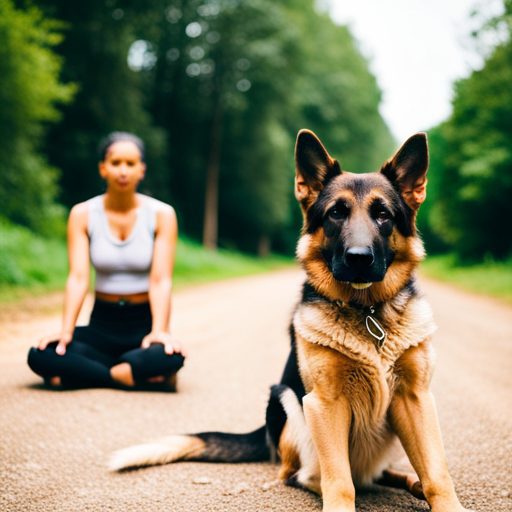
Are you afraid of German Shepherds? Don’t be fooled by common misconceptions. In this article, we will debunk the myths surrounding these majestic dogs.
Discover the loyalty and devotion that German Shepherds are known for, along with their gentle and playful nature. We will also address the truth about aggression and unravel the intelligence of these remarkable animals.
It’s time to set the record straight and prove that German Shepherds can be trained and controlled.
The Loyalty and Devotion of German Shepherds
You’ll be amazed by the loyalty and devotion of German Shepherds. These incredible dogs are known for their unwavering and unconditional loyalty towards their owners. German Shepherds truly understand the meaning of loyalty and will go to great lengths to protect and care for their loved ones.
Once a German Shepherd forms a bond with their owner, it becomes a lifelong companionship that’s hard to break. Their deep bond with their owners is truly remarkable and goes beyond words. German Shepherds aren’t just pets; they become an integral part of the family.
German Shepherds are always there for you, ready to offer comfort and support during both good and bad times. They can sense your emotions and will do whatever it takes to make you feel better. Their loyalty is unmatched, and they’ll always put you first.
When you have a German Shepherd by your side, you can be assured that you have a loyal and devoted companion for life. They’ll protect you, love you, and be there for you no matter what. German Shepherds truly embody the meaning of loyalty and devotion.
The Gentle and Playful Side of German Shepherds
You may be surprised to learn that German Shepherds have a gentle and playful side that often goes unnoticed. These misunderstood family-friendly companions are known for their loyalty and devotion, but they also have a loving nature that they unleash when given the chance.
Their surprising goofiness and affection make them the perfect addition to any household looking for a fun and playful companion.
Misunderstood Family-Friendly Companions
Don’t worry, German Shepherds are frequently misunderstood as aggressive, but they can be gentle and playful family-friendly companions. In fact, they’ve even been trained as therapy dogs, debunking the stereotype of their aggression.
These intelligent and loyal canines have the potential to bring immense joy and comfort to individuals in need. German Shepherds possess a calm and patient demeanor, making them well-suited for therapy work. Their natural protective instincts can be channeled into becoming reliable and gentle support animals.
Whether it’s visiting hospitals, nursing homes, or schools, these remarkable dogs have proven time and time again that they can provide emotional support and companionship.
Unleashing the Loving Nature
Experience the tender and affectionate side of German Shepherds, for they’re capable of unleashing their loving nature.
Exploring the history, origins, and evolution of German Shepherds reveals their remarkable journey from herding livestock to becoming versatile working dogs. Bred in Germany in the late 19th century, these intelligent and loyal canines were initially developed for herding sheep. Over time, their exceptional skills and trainability led them to serve in various roles, including search and rescue, police work, and even as guide dogs.
Uncovering the health and care needs of German Shepherds is crucial for their overall well-being. They require regular exercise to keep them physically and mentally stimulated. Additionally, proper nutrition and routine veterinary check-ups are essential to maintain their optimal health.
Surprising Goofiness and Affection
Can German Shepherds show surprising goofiness and affection, or are they always serious and stoic?
When it comes to German Shepherds, there’s more than meets the eye. These majestic creatures often have an unexpected goofiness that can brighten up anyone’s day. From their playful antics to their silly expressions, they’re sure to bring a smile to your face.
Moreover, German Shepherds are known for their surprising affection. Despite their strong and protective nature, they’ve a loving side that’s unmatched. They’ll shower you with kisses, lean against you for comfort, and always be by your side.
Whether it’s a game of fetch or a cuddle session on the couch, German Shepherds will show you just how affectionate they can truly be.
The Truth About German Shepherds and Aggression
Contrary to popular belief, German Shepherds aren’t inherently aggressive. While they possess a strong protective instinct, aggression isn’t their default mode. Proper training and socialization play a crucial role in shaping their behavior, allowing them to become well-rounded and balanced companions.
Additionally, it’s important to remember that individual temperament factors also come into play, just like with any other breed.
Aggression Vs. Protective Instincts
You should always remember that German Shepherds are known for their strong protective instincts rather than aggression. It’s important to debunk the breed stereotypes that often label German Shepherds as aggressive dogs. While it’s true that German Shepherds can be protective, this doesn’t automatically make them aggressive.
Their protective instincts are actually a result of their loyalty and intelligence, making them excellent family dogs when properly trained and socialized. German Shepherds are often used as police dogs, search and rescue dogs, and service dogs because of their ability to protect and serve.
It’s crucial to understand that aggression in German Shepherds isn’t inherent to the breed, but a result of improper training or mistreatment. By promoting responsible ownership and proper training, we can help dispel the misconception that German Shepherds are naturally aggressive.
Training and Socialization
Remember to consistently reinforce positive behaviors during training and socialize your German Shepherd with other dogs to ensure their well-rounded development.
Socialization benefits are crucial for your German Shepherd’s overall well-being and behavior. By exposing them to different environments, people, and animals, you can help them become confident, friendly, and adaptable.
Training techniques play a significant role in their socialization process. Positive reinforcement, such as rewards and praise, can encourage desired behaviors and discourage undesirable ones. Consistency and patience are key when training your German Shepherd, as it takes time for them to learn and adapt.
Remember to use clear cues and commands, and always reward them for good behavior. With proper training and socialization, your German Shepherd can become a well-adjusted and social dog, bringing joy to your family and community.
Individual Temperament Factors
To better understand individual temperament factors, it’s important to consider the various factors that contribute to a German Shepherd’s behavior. Understanding breed genetics and the importance of early socialization play a significant role in shaping a German Shepherd’s temperament.
German Shepherds, known for their intelligence and loyalty, have a strong genetic predisposition towards specific behaviors. It’s crucial to recognize that not all German Shepherds will have the same temperament. Each dog is unique and influenced by genetic factors passed down from their parents.
Additionally, early socialization is key in shaping a German Shepherd’s behavior. Exposing them to different people, animals, and environments from an early age helps them become well-rounded and confident individuals. Proper socialization ensures that they develop good manners, are friendly towards others, and can handle various situations calmly.
Unraveling the Intelligence of German Shepherds
Don’t underestimate the intelligence of German Shepherds; they can quickly learn and adapt to new tasks. The problem with generalizations about intelligence is that they oversimplify a complex topic.
When exploring different intelligence metrics, it’s important to consider the role of genetics. While genetics play a significant role, it’s crucial to understand that intelligence isn’t solely determined by genes. Mental stimulation also plays a vital role in developing a dog’s intelligence.
Debunking stereotypes about intelligence is essential, as it allows us to appreciate the unique abilities of each individual dog. Intelligence tests specifically designed for German Shepherds can provide insights into their cognitive abilities. Additionally, it’s interesting to note that working line German Shepherds are often considered more intelligent than show line German Shepherds due to their breeding history and purpose.
However, it’s important to acknowledge that intelligence and trainability are closely related. Debunking the ‘dumb dog’ stereotype is crucial, as it doesn’t reflect the true intelligence of German Shepherds.
Debunking the Myth of German Shepherds as Dangerous Dogs
You might be surprised to learn that the majority of German Shepherds aren’t dangerous dogs, contrary to popular belief. It’s time to debunk the aggression stereotypes and shed light on the positive traits of these incredible canines.
German Shepherds are often misunderstood due to their portrayal in movies and media as fierce and aggressive. However, in reality, they’re one of the most loyal and intelligent breeds out there.
German Shepherds have been unfairly labeled as aggressive, but this isn’t an inherent trait of the breed. Like any dog, their behavior is influenced by their upbringing, training, and environment. With proper socialization and training, German Shepherds can be friendly, gentle, and affectionate companions. They’re known for their loyalty, protective nature, and strong work ethic. They excel in various roles, including search and rescue, police work, and service dog tasks.
These dogs are highly trainable and can quickly learn and execute complex commands. They’re known for their keen sense of smell and exceptional problem-solving skills. German Shepherds are also excellent family dogs, often forming strong bonds with their owners and being great with children.
German Shepherds: a Breed That Can Be Trained and Controlled
German Shepherds are highly intelligent and can be trained and controlled with the right techniques and guidance. Many people have misconceptions about this breed, often associating them with aggression and danger. However, German Shepherds can actually be incredibly gentle and well-behaved when properly trained. In fact, they’re commonly used in therapy and as service dogs due to their trainability and loyalty.
German Shepherds in therapy provide emotional support and comfort to individuals in need. These dogs are trained to be calm, gentle, and responsive to the emotions of their human companions. Their intelligence allows them to adapt to different situations, making them ideal for working in therapy settings where they provide comfort and companionship to those suffering from mental health issues or trauma.
Similarly, German Shepherds make excellent service dogs due to their intelligence and dedication. They can be trained to perform a wide range of tasks to assist individuals with disabilities. From guiding the visually impaired to alerting those with hearing impairments, German Shepherds are highly versatile and reliable.
It is important to understand that any breed of dog, including German Shepherds, can become aggressive if not properly trained or socialized. However, with the right techniques and guidance, German Shepherds can be wonderful companions and valuable assets in therapy and service dog roles.
Frequently Asked Questions
Are German Shepherds Prone to Aggression?
German Shepherds aren’t naturally aggressive, but proper socialization is essential. Factors like genetics, training, and environment can contribute to aggression. Understanding these factors is key to debunking misconceptions about German Shepherds and their temperament.
Can German Shepherds Be Trusted Around Children?
German Shepherds can be trusted around children. They are known for their loyalty and protective nature. With proper training and socialization, these dogs can make excellent companions for kids, providing safety and love.
Are German Shepherds Difficult to Train?
German Shepherds can be challenging to train, but with the right techniques, you can overcome common obstacles. Consistency and positive reinforcement are effective methods to teach German Shepherds new commands and behaviors.
Do German Shepherds Require a Lot of Exercise?
German Shepherds require regular exercise, which is important for their physical and mental well-being. Compared to other breeds, they have higher exercise needs. Tips for managing their exercise needs in a busy schedule include scheduling regular walks and incorporating interactive toys or puzzle games.
Are German Shepherds Suitable for First-Time Dog Owners?
Yes, German Shepherds can be suitable for first-time dog owners. They are intelligent and trainable, but require proper socialization and consistent training. Provide mental and physical stimulation, and seek guidance from experienced owners or trainers.
Conclusion
In conclusion, German Shepherds are often misunderstood and wrongly labeled as scary or aggressive. However, the truth is that they’re incredibly loyal, gentle, and intelligent dogs.
With proper training and socialization, German Shepherds can be well-behaved and obedient pets.
It’s important to debunk these common misconceptions and recognize the true nature of this amazing breed.
So, don’t be afraid to give German Shepherds a chance, as they can bring great joy and companionship to your life.