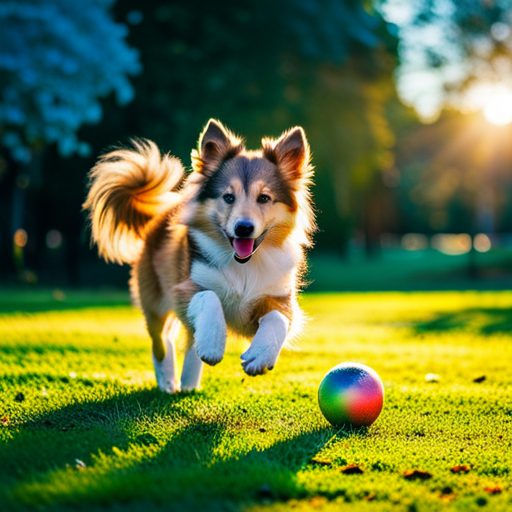
Are you struggling to train your new baby collie? Don't worry, we've got you covered!
In this article, we will provide you with essential training tips to set your furry friend up for success. From house training to leash training, we will cover it all.
With a little patience and consistency, you'll have a well-behaved collie in no time. So let's dive in and get started on this exciting training journey together!
House Training
You need to be patient and consistent during the house training process to ensure success. Potty training can be a challenging task, but with dedication and persistence, you can teach your new baby collie to do their business outside.
Accidents in the house are inevitable at first, but it's important not to scold or punish your pet. Instead, focus on positive reinforcement and redirection.
Start by establishing a routine. Take your collie puppy outside first thing in the morning, after meals, and before bedtime. Choose a designated area in your yard for them to use as their potty spot. When your puppy successfully goes outside, praise and reward them with treats or verbal affirmations. This positive reinforcement will help them understand that going outside is the desired behavior.
If accidents happen inside, clean the area thoroughly to remove any lingering scent. This will prevent your puppy from associating that spot with their potty area. Remember, accidents are part of the learning process, so be patient and consistent. With time, your collie will learn where they should go and accidents in the house will become less frequent.
Socialization
When it comes to socialization, it's important to expose your new baby collie to different people and situations from an early age.
This will help them develop positive interactions with strangers and become more comfortable in various environments.
Early Exposure to Others
Take your new baby collie out for walks in the park to expose them to other dogs and people. It's important to socialize your puppy early on to ensure they grow up to be well-adjusted and friendly.
Consider arranging puppy playdates with other friendly dogs in your neighborhood. This will give your collie the opportunity to interact and play with other pups, helping them develop proper social skills.
Additionally, introducing your collie to new environments is crucial. Take them to different places like the beach or a busy city street, so they become comfortable in various settings. This exposure will help them adapt to different situations and become more confident as they grow.
Positive Interactions With Strangers
Make sure to engage in friendly conversations and actively seek out opportunities to meet new people during your daily interactions. Building confidence and reinforcing good behavior are essential aspects of positive interactions with strangers.
By exposing yourself to new people, you can challenge yourself and develop the social skills necessary for success in various situations. Confidence is built through practice, so make an effort to strike up conversations with different individuals and actively listen to what they've to say.
Reinforcing good behavior, such as maintaining eye contact, using polite language, and displaying open body language, will help create positive interactions. Remember, every encounter is an opportunity to learn and grow, so embrace these chances to expand your social network and enhance your overall confidence.
Basic Commands
When it comes to training your new baby collie, basic commands are essential. Teaching your puppy to sit, stay, and come when called will lay the foundation for effective training techniques.
Sit, Stay, Come
You can easily reinforce your bond with your new baby collie by consistently practicing the commands ‘sit,' ‘stay,' and ‘come.'
Teaching recall is crucial in ensuring your dog's safety and should be prioritized during training sessions. By using positive reinforcement techniques, such as treats and praise, you can encourage your collie to come to you when called. It's important to start training recall in a controlled environment and gradually increase distractions to test their response.
Additionally, mastering the stay command is essential for your collie's safety and discipline. Practice this command by gradually increasing the duration and distance before rewarding your collie's successful completion. Remember to use a firm but gentle voice and be patient with your collie as they learn these commands.
Training Collie Puppies
To train collie puppies effectively, start with teaching them basic commands such as ‘sit,' ‘stay,' and ‘come.'
Housebreaking collie puppies can be a challenge, but with consistency and patience, it can be achieved. Use reward-based training techniques to reinforce positive behavior and discourage unwanted actions.
When housebreaking, establish a routine and take your puppy outside regularly, praising and rewarding them when they eliminate in the appropriate area. If accidents occur indoors, clean them up without scolding or punishing the puppy. Instead, redirect their attention to the designated potty area.
Remember to be consistent with commands and rewards, as collies thrive on routine and consistency. With time and gentle guidance, your collie puppy will learn to be well-behaved and housebroken.
Effective Command Techniques
With consistency and practice, master the effective command techniques for training your collie puppy. Clicker training techniques and positive reinforcement methods are key to shaping your collie's behavior and fostering a strong bond with them.
Begin by familiarizing yourself with the clicker, a small device that makes a distinct sound when pressed. Use it to mark desired behaviors and follow up with a reward, such as treats or praise. This positive reinforcement approach encourages your collie to associate the clicker sound with positive outcomes, reinforcing good behavior.
Remember to be patient and consistent in your training sessions, keeping them short and frequent to maintain your collie's attention. Soon enough, your collie will understand and respond to your commands, making them a well-behaved and happy companion.
Leash Training
Grab the leash and attach it to your collie's collar before heading out for a walk. Leash training is an essential part of owning a dog, and it's important to teach your collie how to walk on a loose leash. Loose leash walking allows your dog to explore and enjoy their surroundings while still being under your control. Start by holding the leash with a relaxed grip and keep it loose, allowing your collie to walk by your side. If your collie starts to pull, stop walking and wait for them to come back to you. Reward them with praise and a treat when they do. Consistency is key in leash training, so make sure to practice regularly.
Another important aspect of leash training is leash reactivity management. Some dogs may become reactive when they see other dogs or people while on a leash, which can be stressful for both you and your collie. To manage leash reactivity, it's important to stay calm and redirect your collie's attention away from the trigger. Use treats or toys to distract them and reward them for calm behavior. Gradually increase the distance between your collie and the trigger to help desensitize them. Seek the help of a professional trainer if your collie's reactivity becomes uncontrollable.
Crate Training
Make sure you provide a comfortable crate for your collie, as it can be a helpful tool for crate training. Crate training is an essential part of raising a well-behaved and disciplined collie. By using crate training techniques, you can teach your collie to view their crate as a safe and secure space.
To start crate training, introduce your collie to the crate gradually. Place their favorite toys and treats inside to make it a positive experience. Encourage them to explore the crate on their own, without forcing them inside. Once they're comfortable entering the crate voluntarily, you can begin closing the door for short periods of time, gradually increasing the duration as they become more at ease.
Using positive reinforcement techniques, reward your collie for entering and staying in the crate. This will help them associate the crate with positive experiences. Make sure to never use the crate as a form of punishment, as this can create negative associations.
Consistency is key in crate training. Stick to a routine and establish a schedule for feeding, exercise, and crate time. This will help your collie understand what's expected of them and reduce any anxiety they may feel.
Problem Behavior Corrections
Have you tried using positive reinforcement to correct problem behaviors in your collie? When it comes to problem behavior management, using positive reinforcement and redirection techniques can be highly effective. Instead of focusing on punishing your collie for their unwanted behaviors, it's more beneficial to reward and encourage good behavior.
Positive reinforcement involves rewarding your collie with treats, praise, or playtime when they exhibit the desired behavior. This approach helps to reinforce positive behaviors and encourages your collie to repeat them in the future.
Redirection techniques are another helpful tool in managing problem behaviors. Instead of scolding or reprimanding your collie for their unwanted behavior, redirect their attention to a more appropriate activity. For example, if your collie starts chewing on furniture, redirect their attention to a chew toy or bone. This not only prevents them from engaging in the problem behavior but also teaches them what's acceptable.
Frequently Asked Questions
How Do I Introduce My New Baby Collie to Other Household Pets?
To introduce your new baby collie to other household pets, start by creating a harmonious environment. Take it slow and supervise initial interactions. Use positive reinforcement and give each pet their own space.
What Should I Do if My Baby Collie Keeps Barking Excessively?
If your baby collie keeps barking excessively, try using positive reinforcement to redirect their behavior. Additionally, make sure they are getting enough mental and physical exercise. Crate training and potty training strategies can also be helpful.
How Can I Prevent My Baby Collie From Chewing on Furniture and Other Household Items?
To prevent destructive chewing in your baby collie, try these effective strategies: provide appropriate chew toys, keep valuable items out of reach, use deterrent sprays, provide mental stimulation, and supervise your collie closely.
What Is the Best Way to Handle My Baby Collie's Separation Anxiety?
To reduce separation anxiety in your baby collie, start by crate training them. Gradually increase the duration they spend in the crate and provide comfort items. Also, practice short separations and reward calm behavior.
How Do I Teach My Baby Collie to Not Jump on People When They Enter Our Home?
To teach your baby collie not to jump on people when they enter your home, use effective training techniques like positive reinforcement. Reward your collie with treats and praise when they greet visitors calmly.
Conclusion
So there you have it! With these essential training tips, you can ensure a smooth journey in raising your new baby collie.
Remember to be patient and consistent in your training efforts.
House training, socialization, basic commands, leash training, crate training, and problem behavior corrections are all crucial aspects to focus on.
With dedication and love, your collie will grow into a well-behaved and happy companion.
Enjoy the journey of training your new furry friend!


