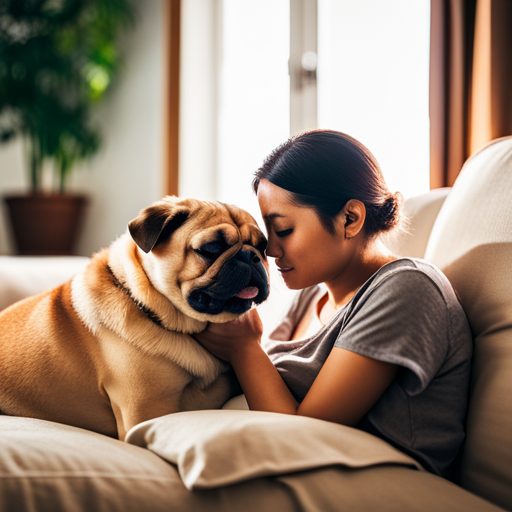
Are you struggling to train your corgi bulldog mix puppy? Don't worry, we've got you covered!
In this article, we'll share some valuable training tips that will help you raise a well-behaved and happy pup.
From crate training and housebreaking to socialization and basic obedience commands, we'll guide you through the process using positive reinforcement.
With our expert advice, you'll be on your way to having a well-trained and obedient corgi bulldog mix in no time!
Crate Training
You should definitely consider crate training your Corgi Bulldog mix puppy. Crate training can be a useful tool in housebreaking and providing a safe space for your puppy.
When selecting a crate for your puppy, make sure to choose one that's the appropriate size. It should be large enough for your puppy to stand up, turn around, and lie down comfortably, but not so large that they can use one end as a bathroom. A crate with a divider can be helpful in adjusting the size as your puppy grows.
Establishing a crate training schedule is important for your puppy's success. Start by introducing the crate as a positive and comfortable space. Place treats and toys inside to encourage them to enter willingly. Gradually increase the amount of time your puppy spends in the crate, starting with short periods and gradually working up to longer durations. Remember to provide your puppy with plenty of exercise and mental stimulation before crate time to help them feel tired and ready for rest.
Consistency is key when crate training. Use the crate for regular nap times, overnight sleep, and when you need to leave the house. With time and patience, your Corgi Bulldog mix puppy will learn to see the crate as a safe and secure den where they can relax and feel at ease.
Housebreaking
To effectively housebreak your Corgi Bulldog mix puppy, start by consistently using positive reinforcement and a combination of crate training and frequent potty breaks outside. Potty training techniques vary, but the key is to establish a routine and be patient. Take your puppy outside first thing in the morning, after meals, and before bedtime. Reward them with praise and treats when they successfully eliminate outdoors.
Dealing with accidents indoors can be frustrating, but it's important not to scold or punish your puppy. Instead, calmly clean up the mess using an enzymatic cleaner to remove any lingering odor. It's crucial to supervise your puppy closely, especially during the early stages of housebreaking. If you catch them in the act of eliminating indoors, gently interrupt them and take them outside immediately.
Consistency is the key to successful housebreaking. Establish a designated potty area outside and always take your puppy to that spot. Use a cue word or phrase, such as ‘go potty,' to help them understand what you want from them. Be patient and understanding; accidents will happen, especially during the learning process. With consistent training and positive reinforcement, your Corgi Bulldog mix puppy will soon be a pro at potty training.
Socialization
As you take your Corgi Bulldog mix puppy outside for potty breaks, remember that socialization is crucial for their development, so introduce them to new people and situations gradually. One way to do this is by organizing puppy playdates. These playdates provide an opportunity for your puppy to interact with other dogs their age in a safe and controlled environment. It helps them learn proper social skills and establishes positive associations with other dogs.
In addition to puppy playdates, introducing your Corgi Bulldog mix puppy to new environments is essential. Take them to different places such as parks, busy streets, or even pet-friendly stores. This exposure helps them become comfortable and confident in various settings. Start with quieter places and gradually increase the level of stimulation as they become more at ease.
When introducing your puppy to new people and situations, remember to go at their pace. Gradually increase the level of interaction and exposure, ensuring they feel safe and secure. Use positive reinforcement techniques, such as treats and praise, to reward good behavior and create positive associations.
Socialization is an ongoing process, so continue to expose your Corgi Bulldog mix puppy to new experiences throughout their life. By doing so, you're setting them up for a well-rounded and confident adulthood.
Basic Obedience Commands
Remember that during training, it's important to reinforce basic obedience commands with consistent practice and positive reinforcement. Leash training and clicker training are two effective methods that can help you achieve this goal with your dog.
Leash training is essential for teaching your dog how to walk politely on a leash without pulling or lunging. Start by introducing the leash gradually, allowing your dog to get used to the sensation. Use treats and praise to reward your dog for walking calmly beside you. If your dog starts pulling, stop walking and wait for them to relax before continuing. Consistency is key, so practice leash training regularly and gradually increase the distractions to help your dog stay focused.
Clicker training is a popular and effective method for teaching basic obedience commands. The clicker is a small device that makes a distinct sound when pressed. Start by associating the clicker with a reward, such as a treat. Then, use the clicker to mark the desired behavior, followed by a treat as a reward. This helps your dog understand which behavior is being reinforced. With consistent practice and positive reinforcement, your dog will quickly learn to associate the clicker with the desired behavior and will respond to your commands more effectively.
Positive Reinforcement Training
You should definitely incorporate positive reinforcement training into your dog's obedience routine, as it will help strengthen desired behaviors and improve their overall training experience. Positive reinforcement training focuses on rewarding your dog for good behavior rather than punishing them for mistakes. This type of training creates a positive association with learning, making it more enjoyable for your furry friend.
One effective technique to use is clicker training. Clicker training involves using a small handheld device that makes a distinct clicking sound when pressed. By pairing the clicker sound with treats, you can communicate to your dog that they've done something right. This helps to reinforce the behavior you want to encourage.
Using treats as rewards is another essential aspect of positive reinforcement training. Treats serve as a powerful motivator for dogs and can be used to reinforce good behavior during training sessions. Make sure to choose small, soft treats that your dog loves, as they'll be more willing to work for them.
Remember to be consistent with your training and always provide praise and rewards when your dog demonstrates the desired behavior. This will help them understand what you expect from them and encourage them to continue behaving in that way.
Incorporating positive reinforcement training, clicker training techniques, and using treats as rewards won't only make your dog's obedience routine more enjoyable but also strengthen their desired behaviors and overall training experience.
Frequently Asked Questions
How Long Does It Take to Crate Train a Corgi Bulldog Mix Puppy?
It takes time to crate train a Corgi Bulldog mix puppy. With consistency and patience, you can expect to see progress in a few weeks. Here are some tips for crate training:
What Is the Best Method for Housebreaking a Corgi Bulldog Mix Puppy?
To effectively housebreak your Corgi Bulldog mix puppy, start by discussing the best method without context. Utilize crate training benefits, such as creating a den-like space, and implement effective potty training methods.
How Should I Introduce My Corgi Bulldog Mix Puppy to New People and Other Animals for Socialization?
When introducing your Corgi Bulldog mix puppy to new people and animals, it's important to follow some tips for socialization. Avoid common mistakes and focus on the benefits of early socialization for your pup.
Which Basic Obedience Commands Should I Focus on Teaching My Corgi Bulldog Mix Puppy?
To teach recall and effective leash walking techniques, focus on basic obedience commands such as “come” and “heel.” Consistency, positive reinforcement, and patience are key. Remember to start training early and make it fun for your Corgi Bulldog mix puppy.
Are There Any Specific Positive Reinforcement Techniques That Work Well for Training Corgi Bulldog Mix Puppies?
Positive reinforcement techniques, like using treats and praise, can be effective for training your corgi bulldog mix puppy. Additionally, incorporating fun games during training sessions and using effective leash training techniques can help with their mental stimulation and obedience.
Conclusion
In conclusion, training a Corgi Bulldog mix puppy requires patience, consistency, and positive reinforcement.
By implementing crate training, housebreaking techniques, socialization, and teaching basic obedience commands, you can help your puppy become well-behaved and obedient.
Remember to use positive reinforcement, such as treats and praise, to reward desired behaviors.
With time and dedication, your Corgi Bulldog mix puppy will grow into a well-trained and happy companion.