Overview
Introduction to training a Bloodhound
Training a Bloodhound can be a challenging but rewarding experience. These intelligent and independent dogs require consistent and patient training methods. One key tip to remember when training a Bloodhound is to try different techniques and find what works best for your dog. Every dog is unique, so it is important to be flexible and adapt your training approach. Additionally, it is crucial to establish a strong bond with your Bloodhound through positive reinforcement and rewards. By using treats, praise, and playtime, you can motivate your Bloodhound to learn and obey commands. Remember, training takes time and effort, but with dedication and consistency, you can have a happy and obedient Bloodhound.
Benefits of training
Training your bloodhound can have numerous benefits. Not only will it help establish a strong bond between you and your furry friend, but it will also ensure their safety and the safety of others. A well-trained bloodhound is less likely to engage in destructive behavior or exhibit aggression towards people or other animals. Additionally, training can help your bloodhound become more obedient, making it easier to manage them in various situations. Whether you're taking them for a walk, introducing them to new environments, or teaching them new tricks, a well-trained bloodhound is a joy to be around. So, invest your time and effort in training your bloodhound, and enjoy the many benefits it brings.
Key principles of training
When it comes to training your Bloodhound, there are several key principles that you should keep in mind. First and foremost, consistency is essential. Your Bloodhound needs to understand that the rules and expectations are the same every time. This will help them establish a routine and know what is expected of them. Additionally, positive reinforcement is crucial. Rewarding your Bloodhound for good behavior will motivate them to continue behaving well. It is also important to be patient and understanding. Training takes time and your Bloodhound may not learn everything overnight. Lastly, make training sessions fun and engaging. Incorporate games and toys to keep your Bloodhound excited and eager to learn.
In summary, the key principles of training your Bloodhound include consistency, positive reinforcement, patience, and making training sessions enjoyable. By following these principles, you can ensure that your Bloodhound is happy and obedient.
Understanding the Bloodhound Breed
History and characteristics
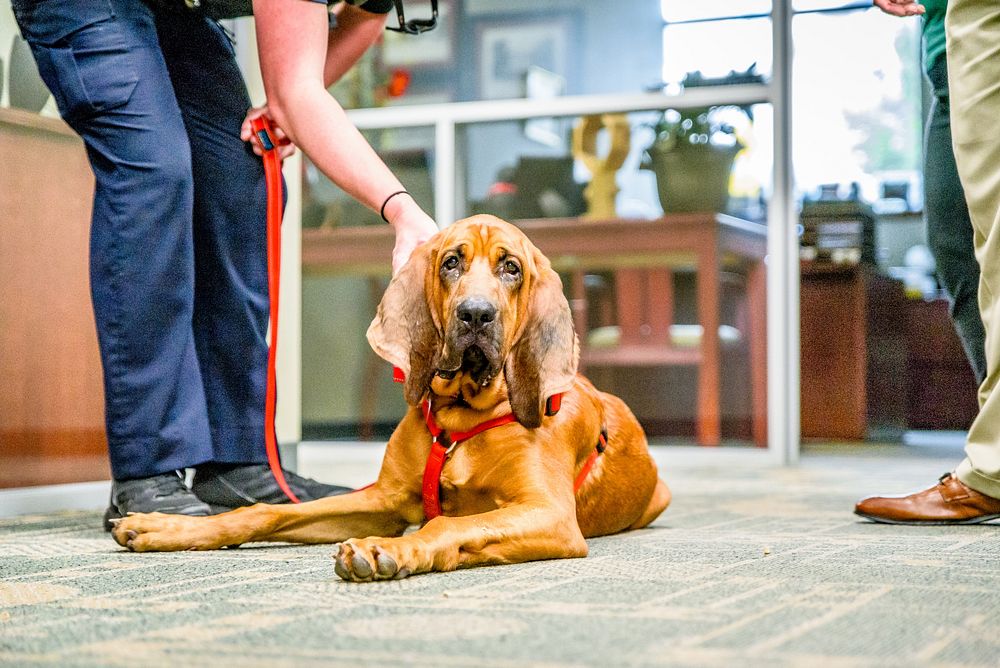
The Bloodhound is a large breed of dog known for its excellent tracking abilities. It has a long history, dating back to medieval times, and is believed to have originated in France. Bloodhounds are known for their incredible sense of smell, which allows them to track scents over long distances. They have a strong, muscular build and a distinctive wrinkled face. This breed is known for being gentle and friendly, making them great family pets. When it comes to training, Bloodhounds can be a bit stubborn, so it's important to use positive reinforcement techniques. Regular exercise is also crucial for this breed, as they have a lot of energy to burn. Dog exercising tips include taking them for long walks, engaging in interactive play, and providing mental stimulation. By providing the right training and exercise, you can ensure that your Bloodhound is happy, obedient, and well-behaved.
Temperament and behavior traits
The temperament and behavior traits of a Bloodhound play a crucial role in their training. Bloodhounds are known for their calm and gentle nature, making them excellent family pets. They are also incredibly intelligent and have a strong sense of smell, which is why they are often used in search and rescue operations. However, Bloodhounds can be stubborn at times, so it is important to establish firm and consistent training from an early age. With proper socialization and positive reinforcement, Bloodhounds can become happy and obedient companions.
Common health issues
Bloodhounds are generally healthy dogs, but like all breeds, they are prone to certain health issues. It is important for owners to be aware of these common health issues to ensure the well-being of their bloodhound. One common health issue that bloodhounds may experience is hip dysplasia, a condition where the hip joint doesn't develop properly. Another health issue is bloat, which is a life-threatening condition that occurs when the stomach fills with gas and twists. Additionally, bloodhounds are susceptible to ear infections due to their long, droopy ears. Regular veterinary check-ups and proper care can help prevent and manage these health issues in bloodhounds.
Preparing for Training
Creating a safe and comfortable training environment
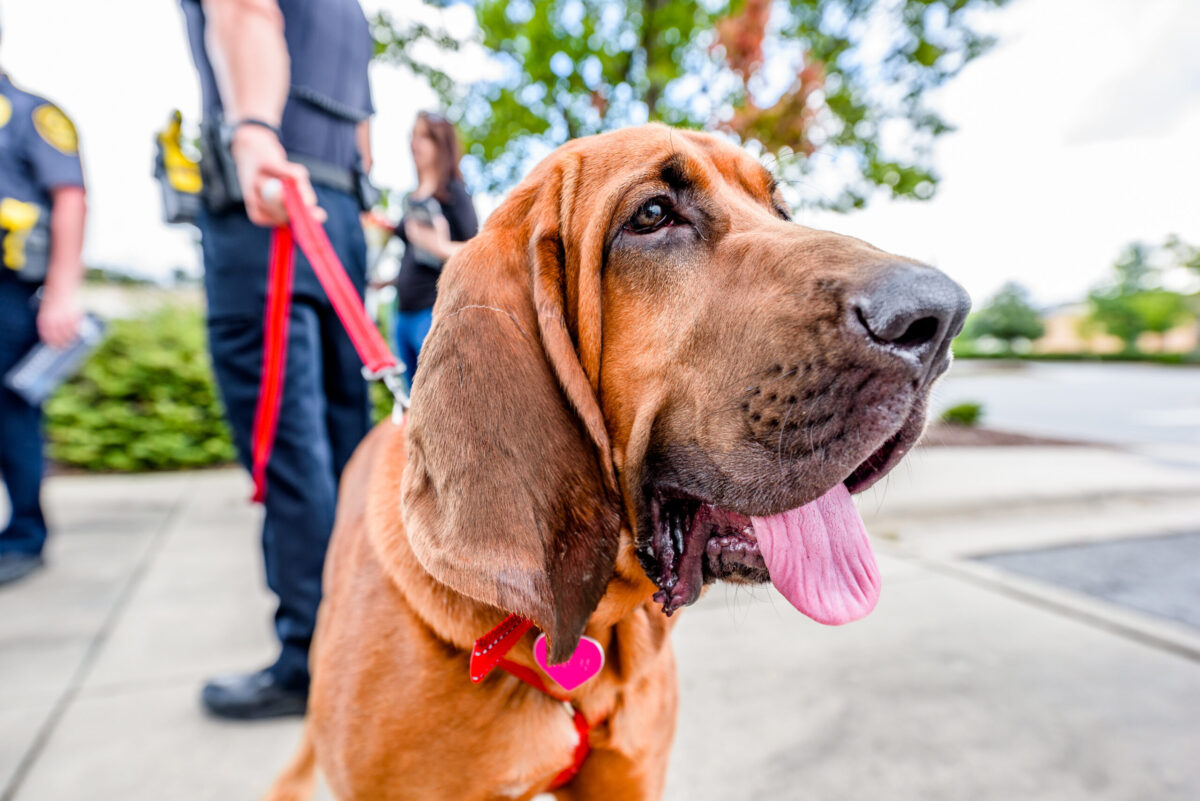
Creating a safe and comfortable training environment is crucial for the success of training your bloodhound. A positive and supportive atmosphere will help your dog feel secure and more receptive to learning. Start by ensuring that the training area is free from any potential hazards or distractions. Remove any objects that could be harmful or cause accidents. Additionally, make sure the space is comfortable for your dog, providing a soft and clean area for them to rest and relax. It is also important to maintain a consistent routine during training sessions, as this will help your bloodhound understand what is expected of them. By creating a safe and comfortable training environment, you are setting the foundation for effective and enjoyable training sessions with your bloodhound.
Gathering necessary training supplies
Before you begin training your Bloodhound, it's important to gather all the necessary supplies. Having the right tools and equipment will make the training process much smoother and more effective. Some essential training supplies for a Bloodhound include a sturdy leash, a comfortable collar, training treats, a clicker, and a long line. These items will help you establish control and communicate effectively with your dog during training sessions. Additionally, consider investing in a crate or a playpen for confinement training and a variety of interactive toys to keep your Bloodhound mentally stimulated. By gathering these necessary supplies, you'll be well-prepared to start training your Bloodhound and set them up for success.
Establishing a training schedule
Establishing a training schedule is crucial for the success of any dog training program. Consistency is key when it comes to training a bloodhound, as these intelligent and independent dogs require a structured routine to thrive. The best practices for establishing a training schedule include setting aside dedicated time each day for training sessions, using positive reinforcement techniques, and gradually increasing the difficulty of the exercises. By following these guidelines, bloodhound owners can ensure that their dogs receive the necessary training to become happy and obedient companions.
Basic Training Commands
Teaching the sit command
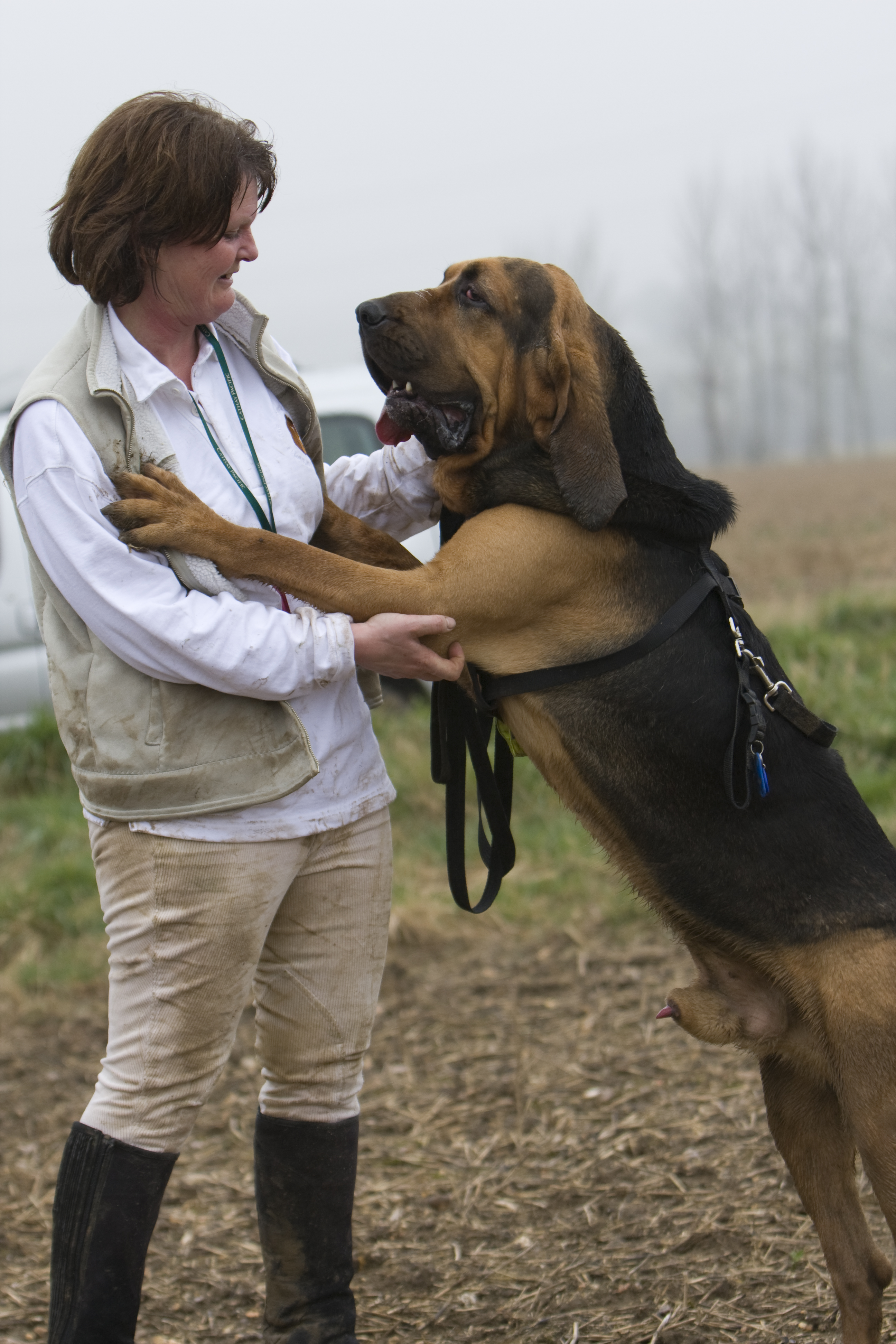
Teaching the sit command is an essential part of training for a happy and obedient bloodhound. By teaching your bloodhound to sit, you establish a foundation for other commands and behaviors. Start by using a treat or toy as a lure, holding it above your bloodhound's head and slowly moving it back towards their tail. As their nose follows the treat, their bottom will naturally lower into a sitting position. Once they are in a sitting position, immediately reward them with the treat or toy and praise. Repeat this process multiple times until your bloodhound understands the command and can sit on cue. The sit command is particularly important for basset hound owners as it helps to curb their natural instinct to follow scents and wander off. By teaching your basset hound to sit, you can have better control over them in various situations, such as when encountering other dogs or when crossing the road.
Training the stay command
Training the stay command is an essential part of teaching your bloodhound obedience and discipline. This command requires your bloodhound to remain in one place until you give them permission to move. To start training the stay command, begin by having your bloodhound sit or lie down. Next, firmly say the word ‘stay' while using a hand signal to reinforce the command. It is important to start with short durations and gradually increase the time your bloodhound stays in place. Reward your bloodhound with praise and treats when they successfully stay in position. Consistency is key when training the stay command, so be sure to practice regularly and in different environments to reinforce the behavior. With patience and persistence, your bloodhound will learn to stay on command and become a well-behaved and obedient companion.
Mastering the recall command
Mastering the recall command is crucial for the training of a happy and obedient Bloodhound. The recall command ensures that the dog comes back to its owner when called, promoting safety and control. To master the recall command, consistency is key. Start by using a long leash in a controlled environment and gradually increase the distance. Reward the dog with treats and praise when it successfully comes back. Practice the recall command in different locations and with distractions to reinforce the training. With patience and persistence, the Bloodhound can become proficient in responding to the recall command.
Behavioral Training

Addressing excessive barking
Excessive barking is a common issue among Bloodhounds. It can be disruptive and annoying, both for the dog owner and the neighbors. However, with proper training and consistency, this behavior can be addressed and controlled. One effective method is to identify the triggers that cause the excessive barking and work on desensitizing the dog to those triggers. For example, if the Bloodhound barks excessively when someone rings the doorbell, the owner can gradually expose the dog to the sound of the doorbell in a controlled environment and reward calm behavior. Another approach is to teach the dog an alternative behavior, such as fetching a toy or going to a designated spot, when they feel the urge to bark. This redirects their attention and helps them learn that barking is not the appropriate response. Consistency is key in addressing excessive barking, as the dog needs clear and consistent signals from the owner. It is important to be patient and understanding, as it may take time for the Bloodhound to unlearn this behavior.
Dealing with separation anxiety
Separation anxiety can be a common issue for many dogs, including the pembroke welsh corgi. It occurs when a dog becomes distressed and anxious when they are left alone or separated from their owners. This can lead to destructive behaviors such as excessive barking, chewing furniture, or even self-harm. It is important to address separation anxiety early on to ensure a happy and well-adjusted dog. There are several techniques that can help alleviate separation anxiety in dogs, including crate training, desensitization exercises, and providing mental stimulation. By gradually increasing the time your dog spends alone and rewarding calm behavior, you can help them feel more comfortable and confident when left alone. If your pembroke welsh corgi is experiencing separation anxiety, it is important to seek professional help from a qualified dog trainer or behaviorist who can provide guidance and support.
Correcting destructive behavior
Correcting destructive behavior in dogs is an essential part of training. It is important to address this issue early on to prevent further damage and ensure a happy and obedient pet. One effective way to correct destructive behavior is through positive reinforcement. By rewarding good behavior and redirecting the dog's attention to appropriate toys or activities, they can learn what is acceptable and what is not. Another technique is to provide mental and physical stimulation to keep the dog engaged and prevent boredom, which can lead to destructive behavior. Consistency and patience are key when correcting destructive behavior, as it may take time for the dog to understand and change their habits. Remember, every dog is unique, and it is important to tailor the training approach to their specific needs and temperament.
Advanced Training Techniques
Teaching advanced obedience commands
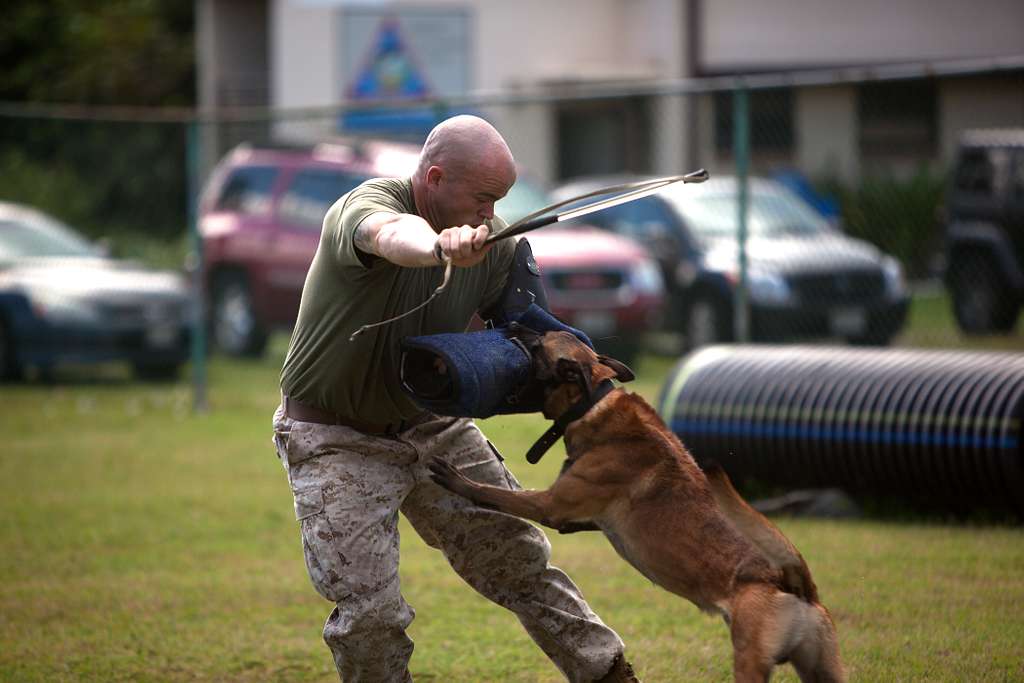
Teaching advanced obedience commands requires patience, consistency, and a deep understanding of your Bloodhound's unique temperament. It is important to establish a strong foundation in basic obedience before moving on to more advanced commands. One key aspect of teaching advanced obedience commands is to ensure that your Bloodhound is properly socialized and comfortable around different environments and distractions. This will help them focus and respond to commands even in challenging situations. Additionally, it is crucial to use positive reinforcement techniques, such as rewards and praise, to motivate and encourage your Bloodhound during the training process. Remember to keep training sessions short and fun to maintain your Bloodhound's enthusiasm and prevent boredom. With dedication and consistent training, your Bloodhound will become a well-behaved and obedient companion for you and your family.
Training for scent detection
Training for scent detection is a crucial aspect of owning a Bloodhound. These dogs have an exceptional sense of smell and can be trained to track scents over long distances. To effectively train a Bloodhound for scent detection, it is important to start with basic obedience training. This includes teaching the dog commands such as sit, stay, and come. Once the dog has a good foundation in obedience, specific scent detection training can begin. This involves introducing the dog to different scents and teaching them to track and locate the source of the scent. Consistency and positive reinforcement are key when training a Bloodhound for scent detection. By using rewards and praise, the dog will associate finding a scent with a positive experience, which will motivate them to continue their training. It is also important to remember that scent detection training takes time and patience. It is a gradual process that requires repetition and practice. With the right training techniques and dedication, a Bloodhound can become an excellent scent detection dog.
Introducing agility training
Agility training is a great way to keep your bloodhound active and engaged. Not only does it provide physical exercise, but it also challenges their mental abilities. Introducing agility training to your bloodhound can help improve their coordination, balance, and overall obedience. It is important to start with basic commands such as sit, stay, and come before moving on to more advanced agility exercises. Gradually increase the difficulty level as your bloodhound becomes more comfortable and confident. Remember to always use positive reinforcement and rewards to motivate your bloodhound during training sessions. With consistent practice and patience, your bloodhound will become a pro at agility training!