Introduction
History of Newfoundland dogs
Newfoundland dogs have a rich history that dates back to the 18th century. Originally bred in Newfoundland, Canada, these dogs were primarily used as working dogs by fishermen. Their strength, intelligence, and swimming abilities made them invaluable in tasks such as hauling nets, retrieving lost items, and even rescuing people from drowning. The breed’s webbed feet and water-resistant coat allowed them to navigate through icy waters with ease. Over time, Newfoundland dogs gained recognition for their loyalty, gentle nature, and natural instinct to protect. Today, they are not only beloved family pets but also excel in various roles such as search and rescue, therapy work, and water sports competitions.
Physical characteristics of Newfoundland dogs
Newfoundland dogs are known for their impressive physical characteristics. With their large size and strong build, they are well-suited for the demanding tasks they were bred for. These dogs have a thick double coat that provides insulation and protection in cold water. Their webbed feet enable them to swim with ease, making them excellent water rescue dogs. The Newfoundland’s broad chest and powerful legs give them the strength and endurance needed for pulling heavy loads. Their expressive eyes and gentle expression add to their overall charm. It is no wonder that Newfoundland dogs are highly regarded as working dogs.
Popularity of Newfoundland dogs as pets
Newfoundland dogs have gained immense popularity as pets in recent years. These gentle giants are known for their friendly and patient nature, making them excellent companions for families and individuals alike. Their size and strength may be intimidating at first, but their calm demeanor and affectionate personality quickly win over the hearts of their owners. Additionally, Newfoundland dogs are highly adaptable and can thrive in both rural and urban environments. Their intelligence and eagerness to please make them highly trainable, and they excel in various activities such as obedience training, water rescue, and therapy work. It is no wonder that more and more people are choosing Newfoundland dogs as their furry companions.
Working Abilities
Water rescue
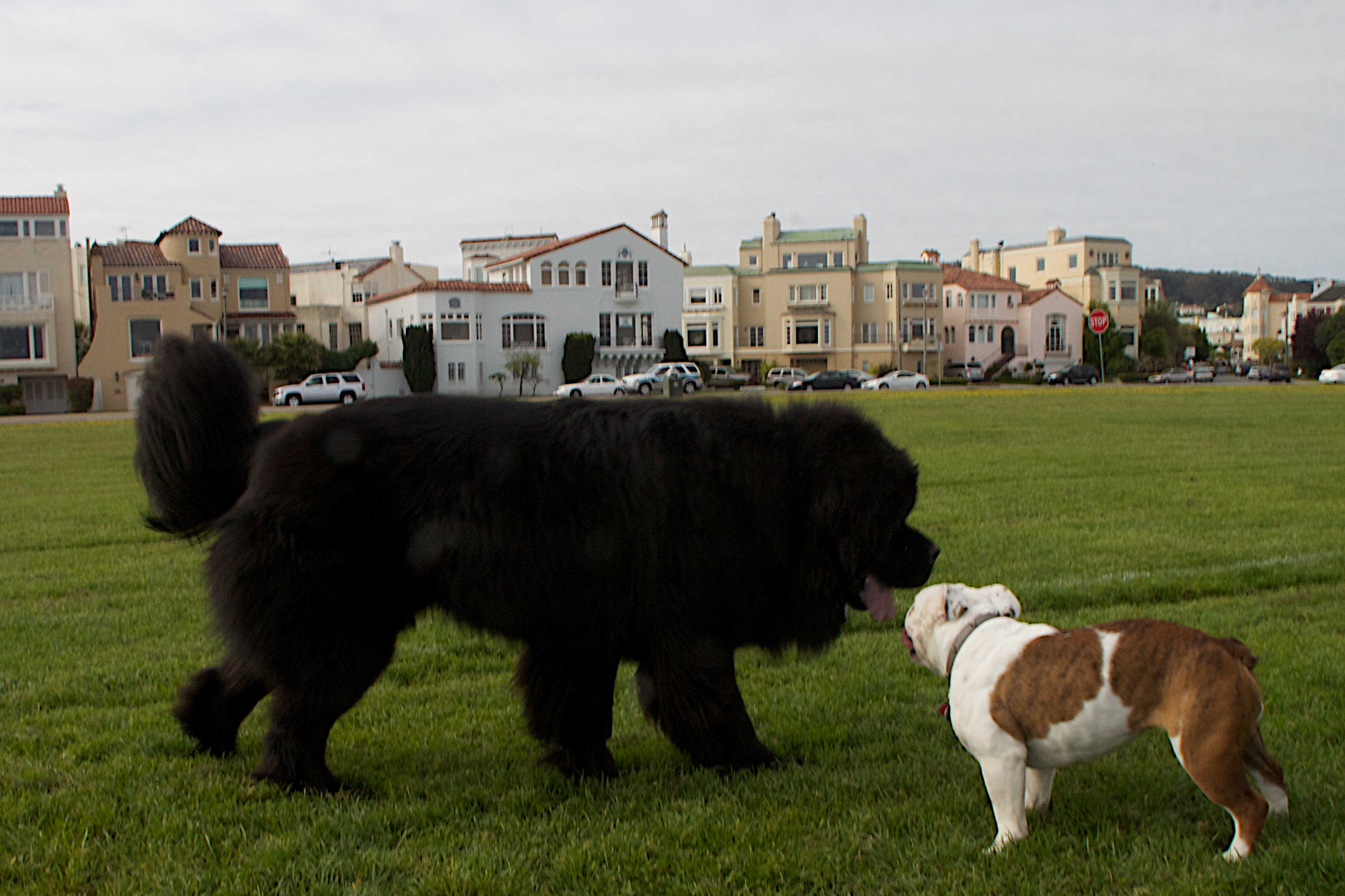
Newfoundland dogs are well-known for their exceptional abilities in water rescue. These dogs have a natural instinct and affinity for water, making them perfect for saving lives in aquatic environments. Their large, muscular bodies and webbed feet enable them to swim long distances and navigate through strong currents with ease. The Newfoundland’s thick, water-resistant coat provides insulation and buoyancy, allowing them to stay afloat and maintain body temperature in cold water. Their strong swimming skills combined with their gentle and calm nature make them ideal for assisting in water rescues. Whether it’s pulling a person to safety or retrieving objects from the water, Newfoundland dogs have proven time and again their invaluable role as working dogs in water rescue operations.
Lifesaving abilities
Newfoundland dogs are renowned for their exceptional lifesaving abilities. These gentle giants have a natural instinct to rescue and protect, making them invaluable in water rescue situations. With their powerful build and webbed feet, they are able to swim long distances and tow drowning individuals to safety. Their thick, water-resistant coat provides insulation and buoyancy, allowing them to withstand cold temperatures and stay afloat for extended periods. Additionally, their innate intelligence and trainability enable them to quickly learn and execute complex rescue techniques. It is no wonder that Newfoundland dogs have earned a well-deserved reputation as one of the most reliable and effective working dogs in lifesaving operations.
Training and Temperament
Intelligence and trainability
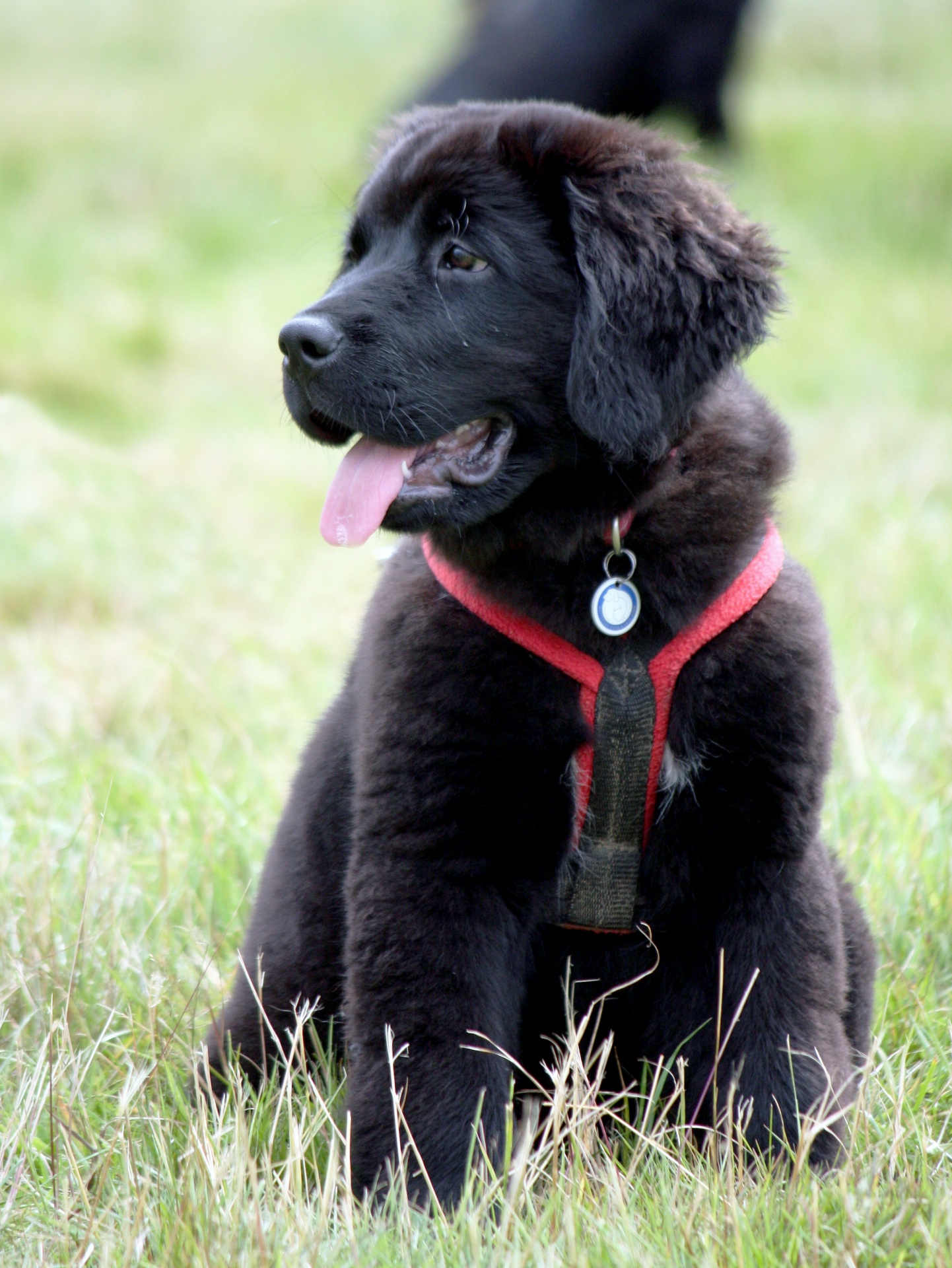
Newfoundland dogs are known for their exceptional intelligence and trainability. These dogs have a remarkable ability to quickly learn and understand commands, making them highly sought after as working dogs. Their intelligence allows them to easily adapt to various tasks and environments, making them versatile in their roles. Additionally, their trainability makes them easy to work with and ensures that they can be effectively trained for specific tasks. Their willingness to please their owners and their strong desire to work contribute to their trainability. Furthermore, their intelligence and trainability make them excellent candidates for search and rescue operations, water rescue, and therapy work. Overall, the intelligence and trainability of Newfoundland dogs make them invaluable assets in various working roles.
Gentle and patient nature
Newfoundland dogs are known for their gentle and patient nature. They are incredibly calm and tolerant, making them excellent companions for families with children. These dogs have a natural instinct to protect and care for their loved ones, and they are often used as therapy dogs due to their calm demeanor. Newfoundland dogs are also highly intelligent and can be trained for various tasks. They excel in water rescue and are often used as working dogs in search and rescue missions. Their size and strength make them ideal for pulling heavy loads, and they have a natural affinity for water, making them excellent swimmers. Overall, Newfoundland dogs are not only gentle and patient, but they are also versatile and hardworking animals.
Socialization and obedience training
Socialization and obedience training are crucial aspects of raising Newfoundland dogs. These gentle giants are known for their friendly and sociable nature, but without proper socialization, they may become shy or fearful. It is important to expose them to different people, animals, and environments from a young age to ensure they grow up to be well-rounded and confident dogs. Obedience training is also essential for Newfoundland dogs, as their large size and strength can make them challenging to handle if not properly trained. Teaching them basic commands such as sit, stay, and come not only helps to keep them safe but also strengthens the bond between the dog and their owner. With consistent training and positive reinforcement, Newfoundland dogs can become obedient and well-behaved companions.
Health and Care
Common health issues
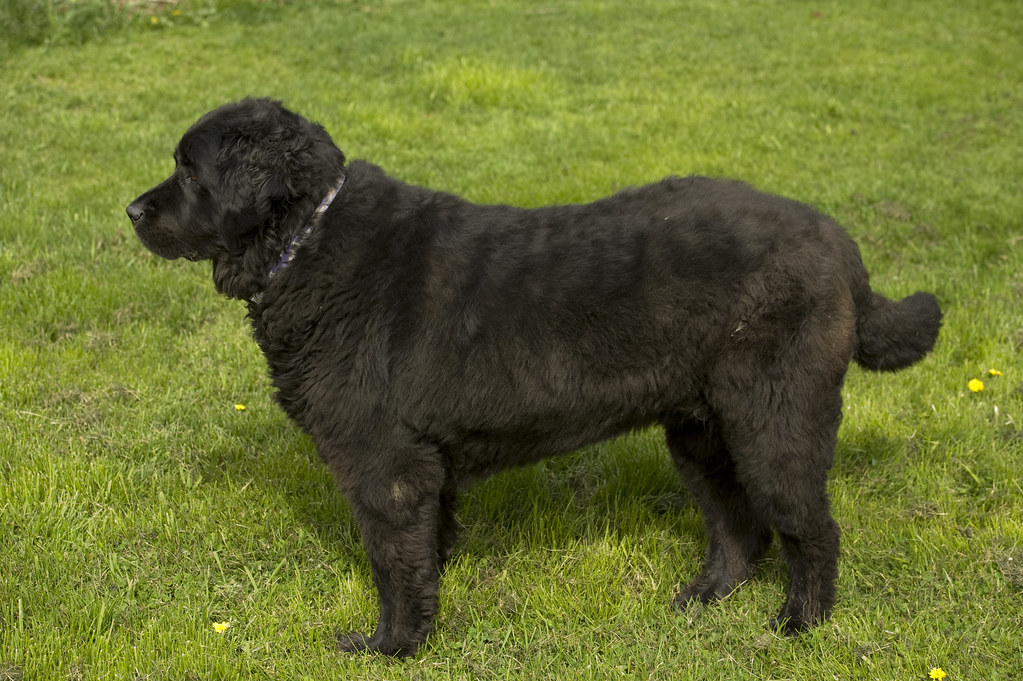
Newfoundland dogs are generally healthy and robust, but like all breeds, they are prone to certain health issues. It is important for owners to be aware of these common health problems to ensure the well-being of their beloved pets. One of the most common health issues in Newfoundland dogs is hip dysplasia, a condition where the hip joint does not develop properly, leading to pain and mobility issues. Another significant health concern for Newfoundlands is heart disease, particularly subaortic stenosis, which is a narrowing of the aorta that can lead to heart failure. Additionally, these dogs are susceptible to gastric dilatation-volvulus, a condition where the stomach twists, causing bloating and potentially life-threatening complications. It is crucial for owners to provide regular veterinary care, maintain a healthy diet, and ensure regular exercise to minimize the risk of these health issues in Newfoundland dogs.
Grooming needs
The grooming needs of Newfoundland dogs are quite extensive. Due to their thick double coat, they require regular brushing to prevent matting and tangling. This is especially important during shedding seasons when their coat can become even more prone to matting. In addition to brushing, Newfoundland dogs also need regular bathing to keep their coat clean and free of dirt and debris. It is recommended to use a gentle dog shampoo to avoid drying out their skin. Another important aspect of grooming for Newfoundland dogs is nail trimming. Their nails can grow quite long and if not trimmed regularly, they can cause discomfort and even lead to issues with mobility. Finally, regular ear cleaning is necessary to prevent ear infections, as their ears can trap moisture and debris. Overall, grooming is an essential part of caring for Newfoundland dogs and ensuring their health and well-being.
Exercise requirements
Newfoundland dogs have moderate exercise requirements that should not be underestimated. These dogs are known for their strength and endurance, which makes them excellent working dogs. They were originally bred to assist fishermen in Newfoundland, Canada, and their physical abilities have been honed over centuries. Daily exercise is essential for Newfoundland dogs to keep them mentally and physically stimulated. Activities such as swimming, walking, and playing fetch are highly recommended. It is important to note that these dogs are prone to obesity, so regular exercise is crucial to maintain a healthy weight. Overall, providing adequate exercise for Newfoundland dogs is essential to ensure their well-being and prevent behavioral issues.
Famous Newfoundland Dogs
Seaman
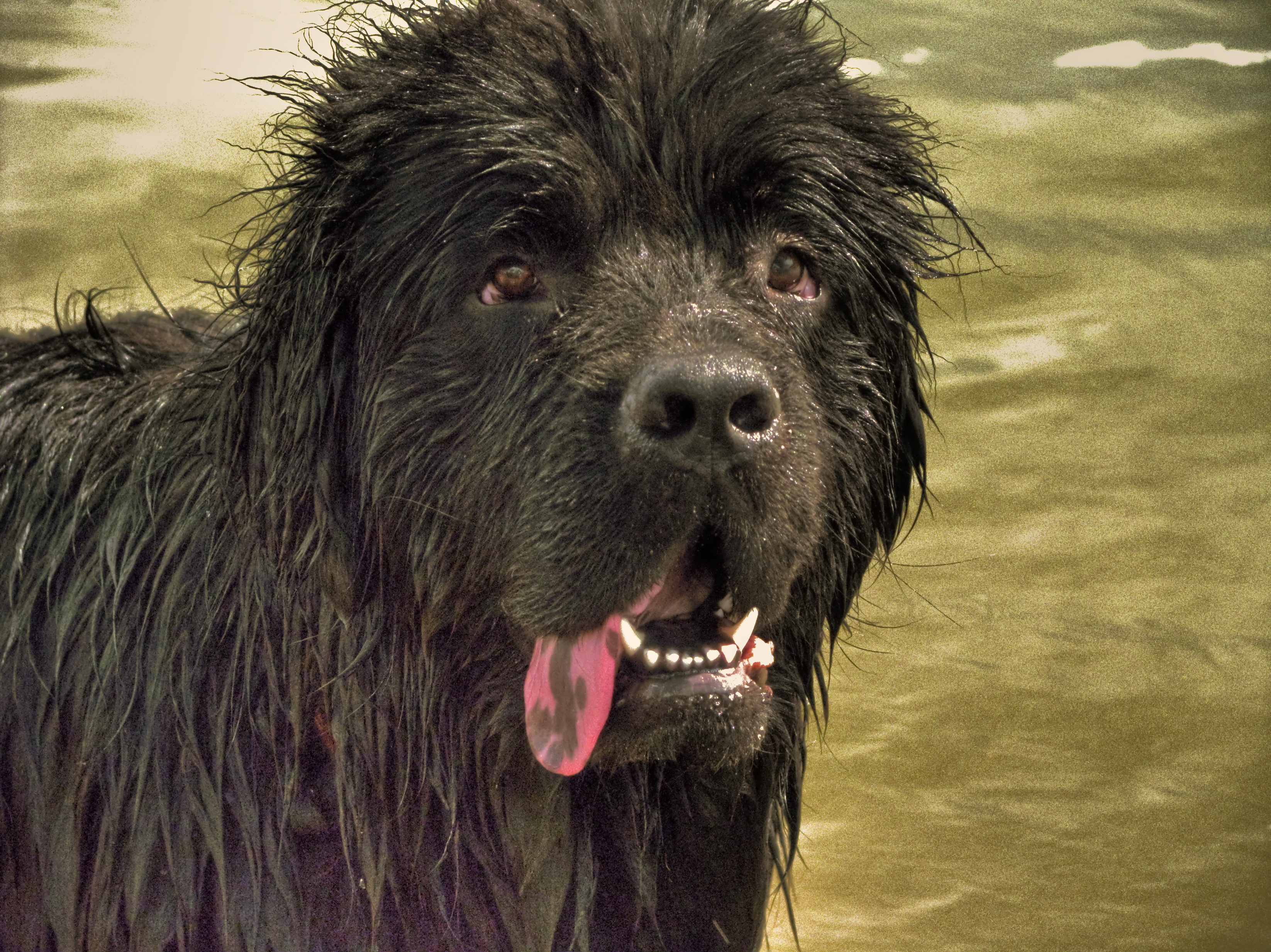
Seaman was a Newfoundland dog who accompanied American explorers Meriwether Lewis and William Clark on their famous expedition across the western portion of the United States in the early 1800s. As a working dog, Seaman played a crucial role in the success of the expedition. He was responsible for guarding the camp, retrieving game, and even helping to navigate treacherous waters. Seaman’s strength, intelligence, and loyalty made him an invaluable member of the team. His presence provided companionship and a sense of security to the explorers during their arduous journey. Seaman’s contributions to the expedition highlight the important role that Newfoundland dogs have played as working dogs throughout history.
Hairy Man
The Hairy Man is a crucial aspect of Newfoundland dogs’ history and role as working dogs. This term refers to the brave and skilled fishermen who relied on these dogs for their safety and assistance in the treacherous waters of Newfoundland. The Hairy Man was responsible for guiding the dogs, often through harsh weather conditions, and ensuring their successful rescue missions. These brave individuals formed a strong bond with the Newfoundland dogs, recognizing their intelligence, strength, and loyalty. Together, they formed an inseparable team, saving countless lives and establishing the reputation of Newfoundland dogs as exceptional working dogs.
Nana
Nana, a Newfoundland dog, is one of the most famous examples of the breed’s exceptional abilities as a working dog. With her strong build, webbed feet, and thick, water-resistant coat, Nana was well-suited for tasks in and around the water. She was often used for water rescue missions, pulling boats, and retrieving items from the water. Nana’s intelligence, loyalty, and gentle nature made her a beloved companion and an invaluable asset to her owners. Her role as a working dog not only showcased the Newfoundland breed’s natural talents but also highlighted the importance of these dogs in various industries and communities.
Conclusion
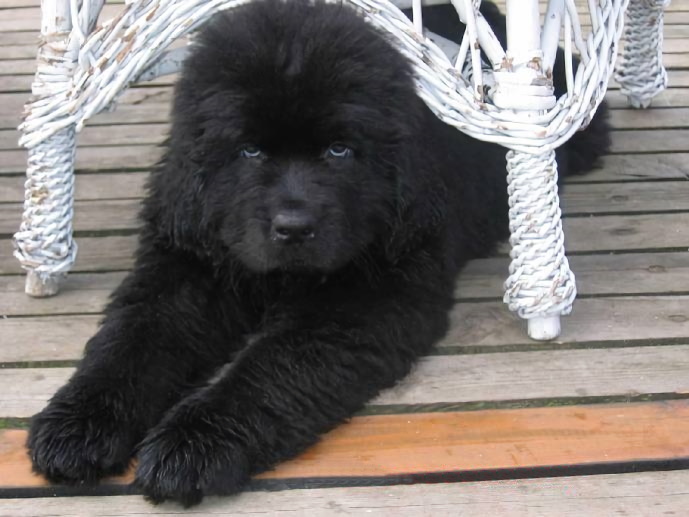
Summary of Newfoundland dogs as working dogs
Newfoundland dogs are renowned for their exceptional abilities as working dogs. They have a long history of being utilized in various roles, including water rescue, hauling heavy loads, and even as fishing companions. These dogs are known for their strength, intelligence, and gentle nature, making them ideal for tasks that require both physical power and a calm temperament. Their webbed feet and thick, water-resistant coats enable them to excel in water-related activities, such as retrieving objects or saving drowning individuals. Additionally, their muscular build and strong swimming abilities allow them to pull carts or sleds with ease. Newfoundland dogs have proven to be invaluable assets in search and rescue operations, due to their keen sense of smell and their ability to navigate difficult terrains. Their loyalty and willingness to work make them exceptional companions and reliable partners in various working environments.
Appreciation for their contributions
Newfoundland dogs have a long history of serving as working dogs, and their contributions have been greatly appreciated. These intelligent and strong dogs have been used for various tasks, including water rescue, hauling heavy loads, and even as therapy dogs. Their natural swimming abilities and webbed feet make them excellent lifeguards, often rescuing people from drowning. Additionally, their strength and endurance enable them to pull carts and sleds, making them valuable assets in the transportation of goods. Moreover, their gentle and nurturing nature has made them ideal therapy dogs, providing comfort and support to individuals in need. The Newfoundland dogs’ dedication and loyalty to their work have earned them a special place in the hearts of many.
Future prospects for Newfoundland dogs
Newfoundland dogs have a bright future ahead as working dogs. Their exceptional strength and swimming abilities make them ideal for water rescue operations. With their gentle and friendly nature, they also excel as therapy dogs, providing comfort and support to those in need. Additionally, their intelligence and trainability make them well-suited for tasks such as cart pulling and tracking. As more people recognize the versatility and capabilities of Newfoundland dogs, their demand as working dogs is expected to increase. With proper training and care, these remarkable dogs will continue to make a significant impact in various fields.